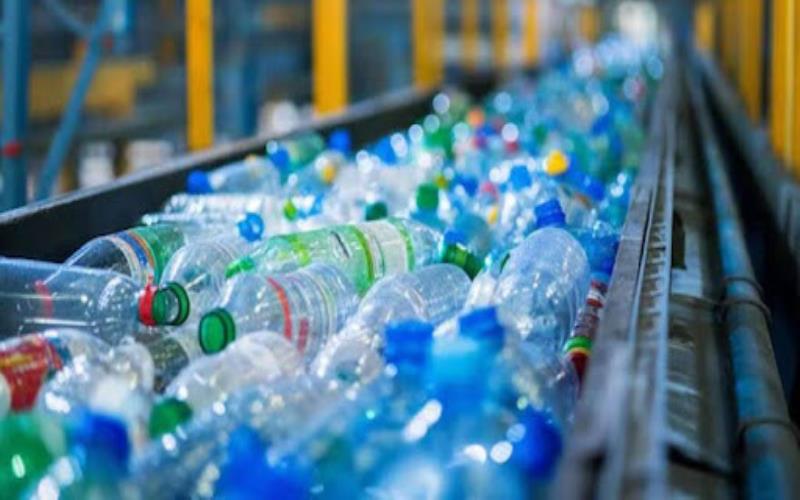
Plastic has become, because of its affordability and varieties, a game changer for businesses and modern life.Its distribution has presented one major problem for the environment and this is plastic waste. It is estimated that upwards of 300 million tons of plastic is produced annually and that most of it finds itself in landfills and oceans. However, plastic recycling apparently is the efficient way out of this menace as it allows us to extend the use life of the plastic while saving resources and reducing waste.
Why Plastic Recycling Is Important to the Environment
Plastic recycling is much more than a method of waste management; it is the key to the future. That is why it does matter:
- Saves Fossil Fuels: Since plastics are produced from finite resources of oil and gas materials, recycling these resources to manufacture other similar plastics saves raw material resources.
- Energy Efficiency: More energy is used to make new plastic, rather than producing new plastic that contains recyclable material within it.
- Landfill Waste Reduction: Recycling plastic wastes ensures that the number of plastic wastes, which could have been disposed into landfills and would have taken hundreds of years to degrade, remains at the barest minimum.
- Carbon Emission Reduction: Plastic recycling emits less greenhouse gas compared to the production of its virgin form.
- Fosters Circular Economy: Recycling has the effect of direct circularity, or the material can be put to newer uses time and again at the same value, hence greatly reducing resource extraction.
From Waste to Resource: Plastic Recycling Process
Plastic recycling involves several steps throughout the entire process that are very much essential for the conversion of abandoned plastic into a usable form of raw material. Now, explanation of steps one by one with detail:
-
Collect and sort
Collection is the initiation of the process, and this is usually done through curbside, recycling centers, or any other collection facility. After collection, sorting is done based on the type mainly, PET, HDPE, and PP, together with sorting by color.
- Human Sorting: Workers are used to sort items that have been picked onto a moving conveyor belt by manually picking off contaminating parts.
- Advanced Technologies: Sorting processes in the recycling industry are getting automated; sensor-based separations and optical sorters improve the efficiency and accuracy of sorting.
Banyan Nation has used innovative wash systems and ethical chains in the supply chain, hence ensuring clean and high-end qualities of such materials that come from recycling processes. - Shredding and Washing: After effective preservation, once contamination is remediated, shreds of plastic are then washed to clean off any forms of dirt or labels or some residual contaminants; this stage actually ensures that the material impurity does not happen in the course of the next coming processing stage.
- Melting and Pelletizing: During this stage, heat treatment is imparted to the flakes so they can mold into new plastic pellets. The newly formed pellets then become the main ingredient in the manufacture of other products.
- Re-manufacturing: This reprocessing produces plastic pellets that can be used in everything, from packaging and textiles to construction and automotive industries.
Recycling of Plastic with the Use of Advanced Technologies
There has been a sea change in the recycling technologies over the past couple of decades, not only in the types of plastics that can be processed but also significantly in enhancing the quality of outputs. A few of the key developments are briefly described below.
- Density Separation: Sorting is mainly done in the plastics materials based on the difference in their density by use of water or air.
- Electrostatic Separation: It is a separation based on the difference in electric charges applied on plastic constituents.
- Chemical recycling, on the other hand, is the process in which polymers are degraded to respective chemicals in preparation for the re-manufacture of high-quality goods.
- Closed-loop recycling is a form of recycling where the products get recycling on the same material to keep them from undergoing different cycles.
Uses of Recycled Plastics
Recycled plastics can apply themselves to more varied industries than what they have hitherto been serving, thus proving utility and versatility for application in the following:
- Examples of packaging made from plastic recyclates include bottles, food trays, flexible packaging of pouches, and bags.
- Textiles: Garments and accessories in their growing number come from recycled polyester emanating from PET bottles.
3. Automotive: Most interior panels, bumpers, and wheel liners of vehicles are made from recycled materials.
4. Construction: Recycled plastics can be utilized in the manufacturing of pipes, insulating materials, and roofing material.
5. Consumer Goods: Products that enjoy resistance from recycled plastic include furniture, toys, and reusable crates.
Plastic Recycling: Challenges and Opportunities
Although the plastic recycling industry has achieved much, some of the challenges this industry faces are:
Challenges
- Sorting Complexity: Sorting processes could be very problematic due to the manifold types of available plastics and additives.
- Quality Issues: Normally, the recycled plastics are not that durable and robust compared to the virgin material.
- Cost Competitiveness: Recycling is more expensive, and the price of crude oil cannot remain low.
Opportunities
- Advanced recycling technologies are those in the latest category, which is an array of new innovations of feedstock recycling and chemical depolymerization.
- Corporate Sustainability Goals: More and more companies have been setting commitments to using recycled materials.
- Public-Private Partnerships: These will fill the gaps in infrastructure and policy.
Plastic Recycling in the Future
New, collaborative, and committed to sustainability, the future is at the forefront of plastic recycling. It will be in a sustainable future wherein leading roles of recycled plastics will be performed, with more and more governments, businesses, and individuals committed to reducing plastic waste. The efforts put in by Banyan Nation epitomize responsible processes, technological advancement, and an ethical supply chain that can make the revolution in the industry. Having set standards for industry-wide activities while motivating others, with 6 C’s in place it is a way for Banyan Nation to go.
Endnote:
Plastic Recycling saves on resources and emission associated, reduces wastes, and is one of the founding blocks of a sustainable future. Companies like Banyan Nation are already abreast with innovative technologies combined together with ethics.
Besides using product material made from recycled material, we should be contributing to a common cleaner, greener, better, and sustainable world by encouraging plastic recycling actions more and more.