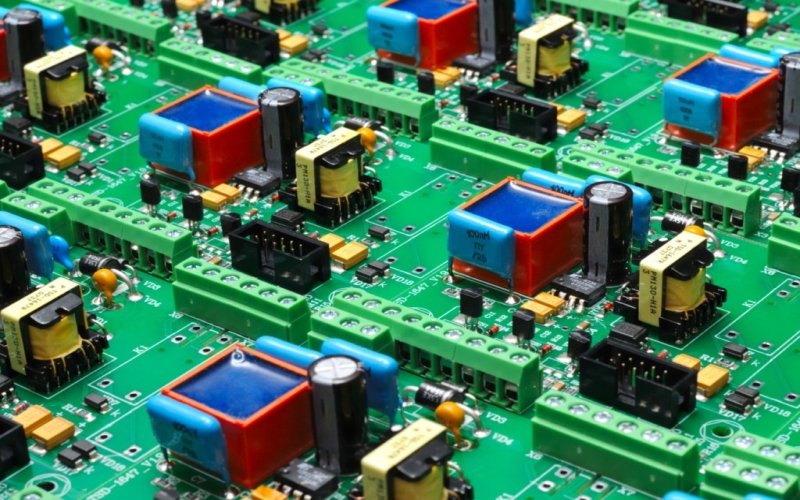
In today’s world, sustainability has become a major focus in all sectors, including the electronics industry. The production of Printed Circuit Boards (PCBs) has traditionally been associated with the use of hazardous materials, high energy consumption, and significant waste generation. However, as the demand for eco-friendly practices increases, PCB manufacturers are adopting sustainable methods to reduce their environmental impact. For companies seeking reliable Printed Circuit Board Manufacturers in the USA, many are now offering sustainable PCB solutions. This article will explore the sustainable manufacturing practices used in PCB production and how they contribute to a greener future.
1. Eco-Friendly Materials
One of the most important aspects of sustainable PCB manufacturing is the use of eco-friendly materials. Traditionally, PCBs were made with materials that are harmful to the environment, such as lead-based solder and toxic chemicals. However, many manufacturers are shifting to more sustainable alternatives.
Lead-Free Soldering
Lead is a toxic metal that can contaminate water sources and soil, posing significant health risks. To mitigate this, many PCB manufacturers have switched to lead-free soldering techniques, using materials like tin-silver-copper (SAC) alloys, which are less harmful to the environment.
Green PCB Materials
Eco-friendly PCB materials, such as halogen-free laminates and substrates, are being used to replace traditional materials that release harmful chemicals when burned. These materials do not contain chlorine or bromine, making them less toxic and safer for the environment.
2. Energy-Efficient Manufacturing
PCB manufacturing requires significant energy consumption, especially during the etching and soldering processes. By optimizing energy usage, manufacturers can reduce their carbon footprint and minimize environmental impact.
Energy-Efficient Equipment
Using energy-efficient machines and optimizing production processes can reduce electricity consumption. For example, advanced reflow ovens and soldering machines use less energy and have better thermal management, reducing overall energy usage.
Solar Power and Renewable Energy
Some PCB manufacturers are investing in renewable energy sources like solar panels and wind turbines to power their facilities. This reduces reliance on fossil fuels and helps companies move toward a greener, more sustainable manufacturing process.
3. Water Conservation and Treatment
The PCB manufacturing process often involves the use of water, especially for cleaning and rinsing the boards. To conserve water and minimize environmental impact, many PCB manufacturers are adopting water recycling and treatment technologies.
Water Recycling Systems
Water used in various stages of PCB production, such as cleaning and rinsing, is now being recycled and reused. By implementing closed-loop water systems, manufacturers can significantly reduce their water consumption and prevent pollution.
Effluent Treatment
Effluent treatment plants are used to treat the wastewater generated during production. These systems ensure that any toxic chemicals or contaminants are removed before the water is released into the environment.
4. Waste Reduction and Recycling
PCB manufacturing generates a significant amount of waste, including scrap materials, defective boards, and chemical waste. Sustainable PCB manufacturers are adopting practices to reduce, reuse, and recycle waste materials.
Recycling PCB Scrap
PCB scrap, including unused copper and resin, can be recycled to produce new PCBs or other electronic components. Some manufacturers have established recycling programs that recover valuable materials like copper, gold, and silver from used boards.
Zero-Waste Manufacturing
Aiming for a zero-waste manufacturing process, some PCB manufacturers are working toward minimizing waste by reusing materials and reducing the amount of waste generated. For example, by optimizing designs and minimizing excess material, they can reduce the need for disposal.
5. Sustainable Packaging
Packaging is another area where PCB manufacturers are focusing on sustainability. Traditional packaging materials such as plastic and Styrofoam are non-biodegradable and harmful to the environment. Sustainable alternatives are now being used to minimize environmental impact.
Eco-Friendly Packaging Materials
Biodegradable packaging materials, such as recycled paper or plant-based plastics, are being used instead of traditional plastic packaging. This reduces the amount of plastic waste and ensures that packaging materials are environmentally friendly.
Minimalist Packaging
In addition to using eco-friendly materials, manufacturers are also adopting minimalist packaging practices. By reducing the amount of packaging used, companies can further minimize waste and the environmental impact associated with shipping and handling.
6. Compliance with Environmental Regulations
PCB manufacturers are also ensuring that their processes comply with various environmental regulations and certifications to promote sustainability and reduce their ecological footprint.
RoHS Compliance
The Restriction of Hazardous Substances (RoHS) directive limits the use of hazardous materials, such as lead, mercury, and cadmium, in electronic devices. Many PCB manufacturers comply with RoHS standards to ensure that their products are safe for the environment and consumers.
ISO 14001 Certification
ISO 14001 is an international standard for environmental management systems. Manufacturers who obtain ISO 14001 certification demonstrate their commitment to sustainable practices, including waste management, energy efficiency, and compliance with environmental regulations.
Conclusion
Sustainable PCB manufacturing practices are essential for reducing the environmental impact of electronic products. By using eco-friendly materials, optimizing energy consumption, recycling waste, and complying with environmental regulations, PCB manufacturers can contribute to a greener future. For those seeking sustainable PCB solutions, many Printed Circuit Board Manufacturers in the USA now offer eco-friendly manufacturing options to meet the growing demand for environmentally responsible electronics.