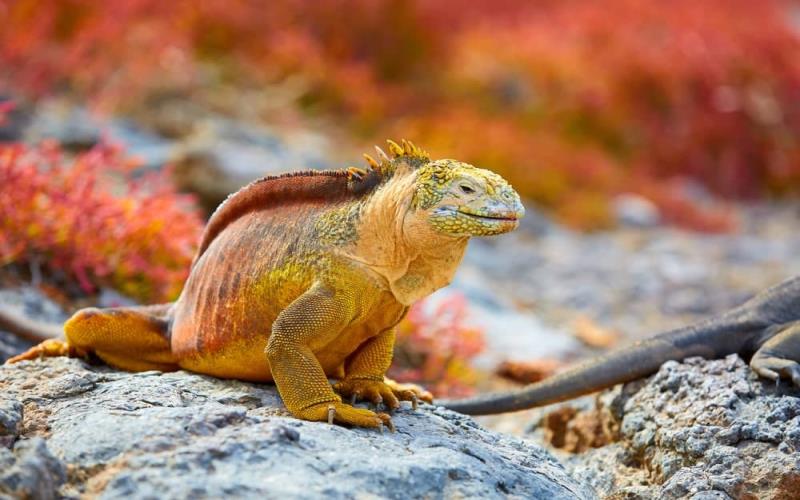
Iguanas are not just exotic pets. In certain areas, they are unwelcome invaders that disrupt local ecosystems. These reptiles, with their bright green bodies and whip-like tails, have become a common sight in South Florida. They often bask in the sun on driveways and dart across lawns. Their presence is more than just a visual nuisance. Iguanas cause real damage to gardens, seawalls, and even public infrastructure. So, how did this happen? Understanding the reasons behind their spread is crucial. Many arrive as escaped or released pets, thriving in the warm climate. Managing them requires thoughtful strategies. In regions like Broward County, effective pest control in Broward involves a mix of humane removal and preventive measures. These methods help control their numbers without harming the environment. By tackling this issue thoughtfully, we aim to restore balance and protect both our landscapes and native wildlife.
The Rise of the Iguana Population
The rise in iguana population is linked to several factors. Their adaptability to urban environments is impressive. They feed on a variety of plants and insects, allowing them to flourish. The warm climate and abundance of food sources provide an ideal habitat. Another factor is the lack of natural predators, which lets their numbers grow unchecked.
Escaped or released pets also contribute to the problem. People often underestimate the size and care needs of iguanas. When these reptiles become too much to handle, they are sometimes set free. This contributes significantly to their spread.
Environmental Impact
Iguanas pose several environmental challenges. Their feeding habits can devastate gardens and agricultural areas. They strip plants of leaves and flowers, hindering growth. In coastal areas, iguanas dig burrows that destabilize seawalls and levees. This can lead to erosion and even structural damage over time.
Native wildlife is also at risk. Iguanas compete with local species for food and habitat. They may even consume the eggs of birds and other small animals, further threatening already vulnerable populations.
Managing the Iguana Invasion
Addressing the iguana problem requires a balanced approach. Here are three key strategies:
- Humane Removal: Capturing and relocating iguanas can help control their population. This must be done in compliance with local regulations to ensure safety and effectiveness.
- Preventive Measures: Installing barriers around gardens and using animal-safe repellents can deter iguanas from entering sensitive areas.
- Public Awareness: Educating the community about the impacts of releasing pets and the importance of responsible pet ownership can reduce future problems.
Each of these strategies plays a crucial role in managing iguana numbers. By combining them, communities can work towards a sustainable solution.
Comparison: Native vs. Invasive Iguanas
| Characteristic | Native Iguanas | Invasive Iguanas |
| Habitat | Natural ecosystems in Central and South America | Urban and suburban areas in South Florida |
| Predators | Natural predators like birds of prey | Few to none |
| Impact | Part of a balanced ecosystem | Disruptive to local flora and fauna |
Legal and Ethical Considerations
Handling iguanas involves legal and ethical aspects. It’s important to follow local wildlife regulations when dealing with these animals. Unauthorized capture or harm can result in penalties. The Florida Fish and Wildlife Conservation Commission provides guidelines on humane management. For more detailed information, you can visit their official website.
Conclusion
The iguana invasion is a pressing issue in South Florida. By understanding their habits and implementing effective management strategies, we can mitigate their impact. This ensures that our native wildlife and environments remain protected. Cooperation between communities, authorities, and individuals is key. With a combined effort, we can look forward to a balanced coexistence with nature, even in the face of such challenges.