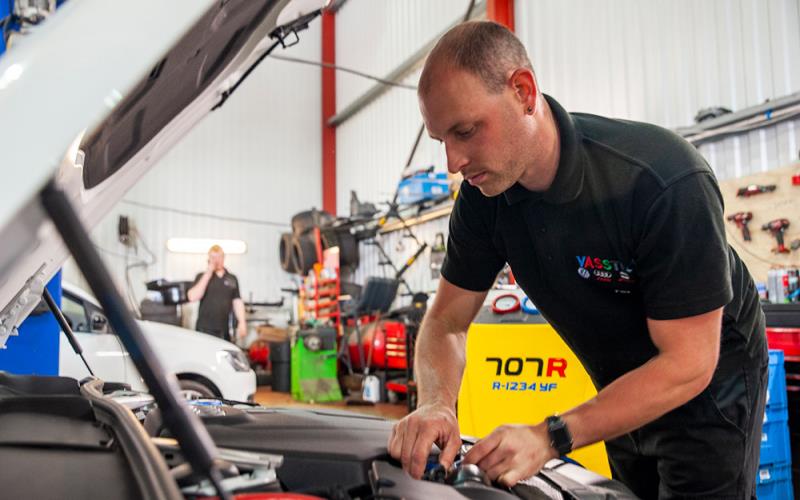
Volkswagen vehicles are among the best car brands that show superior German automotive engineering. They were also one of the top-selling brands during the late 1990s, with over 21.5 million VW Beetle models produced. If you want your car to run in perfect condition on the road, you’ll need to maintain it by installing high-quality OEM Volkswagen parts.
There are many aftermarket parts for VW models, but OEM parts are truly the best choice for reliability. They’re also the most practical solution for VW owners who want to keep their cars’ performance the same for many years.
It’s important that you understand the many benefits that come with using OEM replacement parts for your VW car. Some of them include:
Guaranteed Quality
OEM parts are manufactured to the exact specifications and standards of Volkswagen. They meet the same high quality as the original parts that came with your car, offering excellent performance and reliability. There’s minimal chance of them breaking once installed on your car.
Perfect Fit
OEM parts are manufactured to fit perfectly within your Volkswagen’s existing systems. You eliminate the need for adjustments or modifications during the installation job. A perfect fit also means your car functions properly and avoids possible problems down the line.
Reliability and Longevity
Since they’re made to the same standards as the original parts, OEM parts are usually more durable and reliable than aftermarket alternatives. This means fewer repairs and a longer lifespan for your VW vehicle.
Performance and Safety
Another thing about OEM parts is they are engineered to work cohesively with other components in your Volkswagen car. These types of parts can maintain the car’s intended performance characteristics and safety features.
Warranty Protection
OEM parts are generally used to maintain your Volkswagen’s warranty. Using aftermarket parts can potentially void certain aspects of the warranty. In the end, you will be left responsible for paying for the repairs.
Maintaining Resale Value
Using OEM parts maintains your Volkswagen’s value. Buyers often prefer vehicles with original equipment. It shows that the owner maintained and cared for it well and suggests the car is closer to its original factory condition.
Peace of Mind
Knowing you’re using parts sourced straight from Volkswagen factories can give you a sense of peace and confidence.
Volkswagen Parts and Their Average Lifespans
Every part of your vehicle will reach its maximum lifespan, which is a clear sign to have them replaced immediately. Their usual lifespan will depend on many factors, including driving conditions, maintenance, parts quality, and even how the car is used. These are estimates and should not be taken as guarantees. Regular maintenance is key to maximizing the life of any part.
Here are five major parts on a Volkswagen (and most cars) and their average lifespan:
Brake Pads: 30,000 – 70,000 Miles
Brake pads wear down through friction as they come into contact with the disc rotor to slow and stop the car. Their lifespan depends heavily on driving habits (frequent hard braking wears them faster), the type of brake pads, and road conditions.
Tires: 25,000 – 50,000 Miles
Tire lifespan is affected by several factors, including treadwear rating, driving habits, road conditions, tire pressure maintenance, and wheel alignment. Heat, age, and ozone also affect tire degradation, even if they have not been worn down.
Battery: 3 – 5 Years
Car batteries have a limited lifespan due to the chemical processes involved in storing and releasing electricity. However, they can last for years, so you don’t have to worry about replacing them yearly. Extreme temperatures, frequent short trips (which don’t allow the battery to fully charge), and leaving lights on can shorten a battery’s life.
Engine Oil: 3,000 – 7,500 Miles (Conventional Oil) or 5,000 – 10,000 Miles (Synthetic Oil)
Engine oil lubricates the engine’s moving parts, reduces friction, and dissipates heat. When changing the engine oil, it’s crucial to take precautions against oil spills. Place a spill containment pallet under the oil drain plug. This will catch any oil that leaks during the draining process, protecting your garage floor or driveway from oil stains and potential environmental damage. Additionally, keep absorbents nearby, such as oil – absorbing mats or absorbent clay. If there are any small spills or drips, these absorbents can quickly soak up the oil, minimizing the risk of slipping hazards.
Over time, oil breaks down and loses its effectiveness. The type of oil, driving conditions, and the engine itself influence how often the oil needs changing. Many modern VWs using synthetic oil can go longer between changes, but it’s still necessary to follow the manufacturer’s recommendations.
Timing Belt: 60,000 – 100,000 Miles
Timing belts typically need replacement between 60,000 – 100,000 miles, while timing chains can last a lifetime (though they can still break). The timing belt or chain synchronizes the engine’s valves and pistons. A broken timing belt can cause serious engine damage. Timing belts are made of rubber and are subject to wear and tear, while chains are metal and more durable. However, chains can stretch, or their tensioners can fail.
If you don’t have any experience repairing or maintaining your VW car, you should drive to a car repair shop or call a reputable mechanic. Remember to source your OEM Volkswagen parts and components from trusted stores like Carpartas.