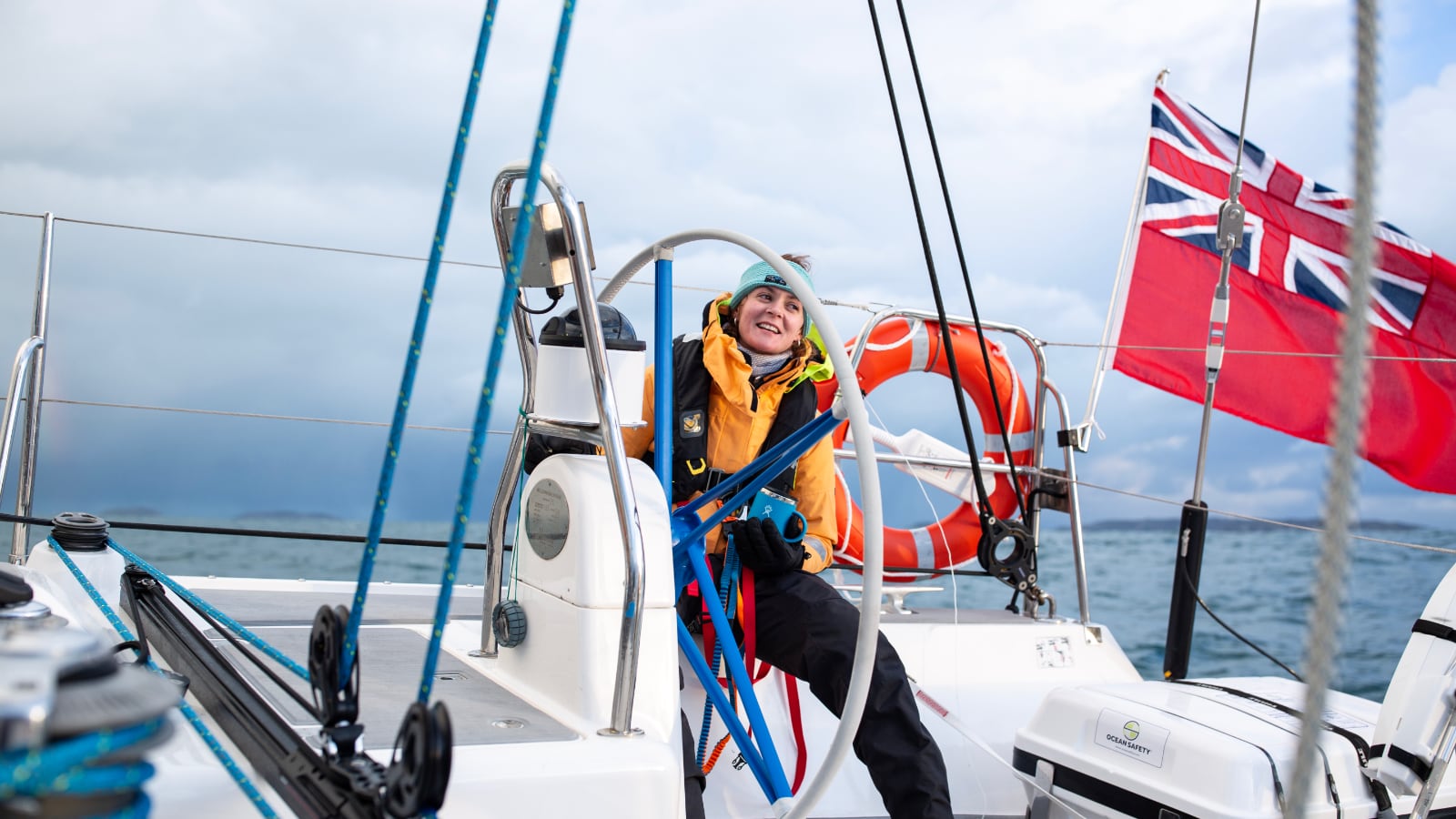
The maritime world has always captured the imagination of adventurers, explorers, and professionals alike. From luxury yachting experiences in the Mediterranean to offshore expeditions in the Pacific, the global appeal of life at sea continues to grow. But behind the elegance of a sleek yacht and the thrill of open water lies a critical foundation: professional training.
Yacht training institutes serve as the cornerstone for developing knowledgeable, competent, and safety-conscious sailors. These institutes are not just for aspiring captains or crew members; they cater to anyone with a passion for boating who wishes to operate a vessel responsibly, whether for leisure or as a long-term career path.
The Rise in Demand for Trained Yachting Professionals
In recent years, the global yachting industry has seen a significant surge, driven by a growing appetite for luxury travel, eco-marine tourism, and maritime careers. As more yachts hit the water, the demand for well-trained crew members and responsible operators has grown in tandem.
However, yachting is not merely about steering a boat or entertaining guests. It involves a thorough understanding of navigation, weather patterns, maritime regulations, onboard operations, and — most importantly — emergency readiness.
Yacht training institutes help bridge the gap between recreational boating and professional seamanship, transforming enthusiasts into skilled mariners through structured courses, simulations, and real-life onboard training.
What Do Yacht Training Institutes Offer?
At a good yacht training institute, students can expect a curriculum that blends classroom knowledge with practical experience. These programs often include:
- Navigation and Chartwork: Learn how to plot courses, understand nautical charts, and use GPS or radar effectively.
- Rules of the Road (COLREGS): Understand the international regulations that prevent collisions at sea.
- Meteorology: Gain insight into weather systems, storm prediction, and sea condition forecasting.
- Engine Maintenance: Basic troubleshooting and upkeep of onboard engines.
- Safety and Emergency Procedures: How to handle situations like man overboard, fire, flooding, or abandon-ship scenarios.
- Seamanship and Boat Handling: Skills related to docking, mooring, anchoring, sail trimming, and general vessel control.
Each course is designed with a specific goal — from novice-level boating to preparing students for advanced roles like yachtmaster, skipper, or deck officer.
Hands-On Learning That Saves Lives
One of the most defining features of any reputable yacht training institute is its focus on safety. While theory is essential, there is no substitute for hands-on training in real-life scenarios. Institutes often conduct man-overboard drills, fire response exercises, and survival simulations that prepare students for the unpredictability of the ocean.
A particularly vital component of this safety training is the sea survival course approved by RYA, which teaches students how to handle life-threatening situations such as abandoning ship, using life rafts, signaling for help, and treating injuries at sea. This course is not only important for personal safety but is also a requirement for many commercial and professional boating certifications.
Certifications That Open Global Opportunities
The certifications earned from a yacht training institute often carry international recognition. These credentials demonstrate a mariner’s ability to operate vessels safely, respond effectively in emergencies, and follow global maritime laws.
For individuals hoping to work or sail internationally, acquiring an internationally valid boat license is a game-changer. This type of license enables mariners to charter or operate boats in many regions around the world without the hassle of navigating localized rules or permits. It’s especially important for those interested in careers on charter yachts, commercial boats, or cross-border marine tourism ventures.
Institutes that offer globally recognized certifications, such as those approved by the Royal Yachting Association (RYA) or the Maritime and Coastguard Agency (MCA), give their students a clear advantage in an increasingly competitive industry.
Who Should Consider Yacht Training?
Yacht training is not just for those planning a career in the maritime sector. It’s also ideal for:
- Recreational Boaters: Individuals or families who own or plan to charter yachts and want to ensure they can operate them safely.
- Adventure Travelers: Those looking to embark on long-term sailing journeys or world cruises.
- Entrepreneurs in Marine Tourism: Operators of charter businesses, sailing schools, or marine tours.
- Corporate Teams: Companies offering yacht-based retreats or training programs.
- Rescue Volunteers: Individuals involved in maritime rescue or humanitarian work at sea.
No matter the background, the common goal is competence, confidence, and safety.
Choosing the Right Training Institute
With a number of yacht training institutes available, selecting the right one is key. When evaluating options, consider the following factors:
- Accreditation: Ensure the institute is certified by recognized bodies such as the RYA or MCA.
- Course Variety: A good institute offers a range of courses from beginner to advanced.
- Practical Training Access: Look for schools with access to well-equipped boats and simulation facilities.
- Experienced Instructors: Trainers should have real-world yachting experience.
- Location: Proximity to open water and marinas enhances training quality.
- Student Support: Some institutes offer job placement assistance, mentorship, or advanced learning pathways.
Conclusion
In today’s fast-evolving maritime world, yacht training institutes are more relevant than ever. They empower individuals to explore the sea confidently, contribute to safer waters, and unlock international career opportunities. Whether your goal is to sail the world with your family or captain a commercial vessel, proper training ensures that every voyage is not just enjoyable, but also safe and professional.
From learning to navigate the open sea to mastering life-saving skills, the investment in maritime education is one that pays off — wave after wave.