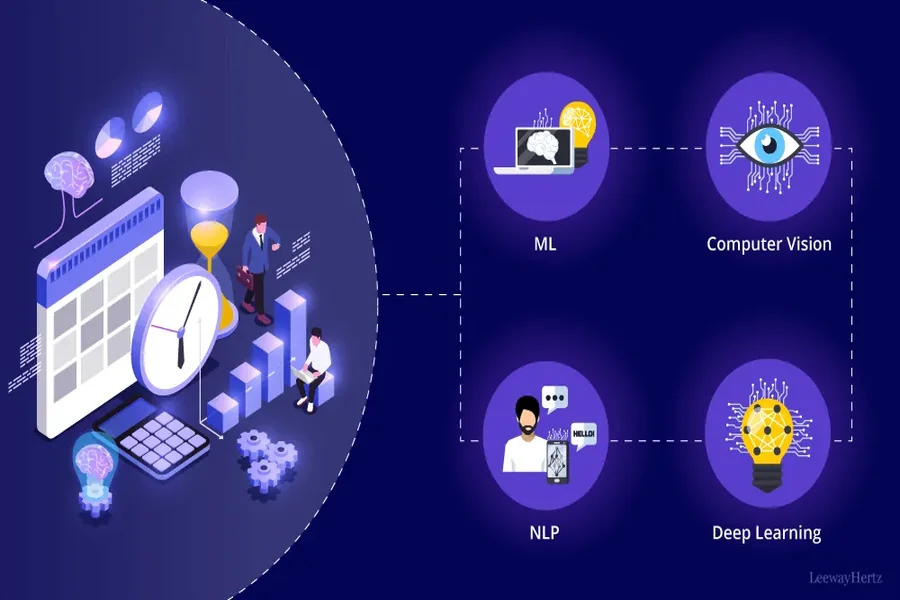
The Business Landscape Today
The advent of digital transformation has revolutionized how companies operate, compelling them to adapt quickly to shifting market conditions, evolving customer preferences, and emerging technologies. To remain competitive, businesses are increasingly recognizing the importance of advanced data platforms, which offer the flexibility and insight necessary to navigate this complex landscape. These platforms not only enable real-time data access but also facilitate informed decision-making, driving organizational agility and fostering a culture of analytics-driven innovation.
Understanding Advanced Data Platforms
Advanced data platforms refer to integrated systems that allow organizations to collect, store, analyze, and visualize data from diverse sources. They encompass various technologies, including cloud computing, big data analytics, and artificial intelligence. These platforms are designed to handle vast amounts of structured and unstructured data efficiently, enabling organizations to derive actionable insights. By leveraging advanced algorithms and machine learning capabilities, businesses can uncover patterns and trends that traditional data management systems might overlook.
Incorporating advanced data platforms into organizational frameworks not only enhances agility but also fosters a culture of continuous improvement. By leveraging these platforms, companies can streamline operations and make data-driven decisions with greater precision. This approach allows for real-time insights, enabling swift responses to market changes and customer needs. For organizations looking to refine their supplier management processes, these platforms offer invaluable tools. To explore how these solutions can be tailored to specific business needs, get additional details on innovative modules that can transform supplier interactions and optimize performance. Embracing such technologies ensures that businesses remain competitive and responsive in an ever-evolving landscape.
The Role of Organizational Agility
Organizational agility is the ability of a company to respond swiftly and effectively to changes in its environment. In an age where market demands can shift overnight, achieving agility is no longer optional; it is essential for survival. Advanced data platforms empower organizations to become more agile by providing a comprehensive view of their operations, customers, and market trends. With real-time analytics and reporting capabilities, businesses can make informed decisions quickly, allowing them to pivot strategies, optimize processes, and seize new opportunities as they arise.
Enhancing Decision-Making with Insightful Analytics
Insightful analytics is at the heart of informed decision-making. Advanced data platforms enable organizations to analyze vast datasets and generate meaningful insights that drive strategic initiatives. By employing techniques such as predictive analytics, businesses can forecast future trends and behaviors, allowing them to anticipate market changes and make proactive adjustments. This capability not only enhances decision-making but also mitigates risks associated with uncertainty.
Moreover, the integration of data from various sources enables organizations to gain a holistic understanding of their operations. For instance, combining customer feedback, sales data, and market research can lead to more nuanced insights into consumer behavior. As a result, organizations can tailor their products, services, and marketing strategies to better meet customer needs, enhancing satisfaction and loyalty.
Fostering a Data-Driven Culture
To fully leverage the power of an advanced data platform, organizations must cultivate a data-driven culture. This involves encouraging employees at all levels to embrace data in their decision-making processes. Providing training and resources to enhance data literacy is essential, as it empowers individuals to interpret and utilize data effectively. When employees feel comfortable engaging with data, they are more likely to contribute to innovative solutions and process improvements.
Leadership plays a crucial role in fostering this culture. By championing data initiatives and demonstrating a commitment to data-driven decision-making, leaders can inspire their teams to prioritize analytics in their daily operations. Establishing clear objectives and metrics for success further reinforces this commitment, ensuring that everyone is aligned toward shared organizational goals.
Streamlining Operations and Improving Efficiency
Advanced data platforms can also streamline operations and enhance efficiency. By automating data collection and processing tasks, organizations can reduce manual workloads, freeing up valuable time and resources. Additionally, advanced analytics can identify bottlenecks and inefficiencies within operational workflows, enabling organizations to optimize processes and reduce costs. For example, supply chain management can benefit significantly from real-time data analytics, allowing companies to monitor inventory levels, track shipments, and predict demand fluctuations more accurately.
Furthermore, the application of advanced data analytics can lead to better resource allocation. By analyzing data related to employee performance, project timelines, and budget expenditures, organizations can identify areas where resources are underutilized or overextended. This insight allows for more strategic planning and execution, resulting in improved productivity and overall performance.
Driving Innovation through Advanced Analytics
Innovation is a key driver of long-term success, and advanced data platforms play a pivotal role in fostering a culture of innovation within organizations. By leveraging analytics, businesses can identify emerging trends and market opportunities, enabling them to develop new products and services that align with customer demands. Furthermore, advanced analytics can facilitate experimentation and rapid prototyping, allowing organizations to test new ideas and gather feedback before full-scale implementation.
Collaboration across departments also enhances innovation. With a centralized data platform, teams can share insights and collaborate on projects, leading to cross-functional innovations that might not have been possible in siloed environments. This collaborative approach not only improves creativity but also accelerates the development process, allowing organizations to bring new solutions to market more rapidly.
Meet Future Challenges Head-On
In a world where agility and insight are paramount, leveraging advanced data platforms can significantly enhance organizational capabilities. By embracing these technologies, businesses can improve decision-making, streamline operations, and foster a culture of innovation. As the business landscape continues to evolve, organizations must prioritize data-driven strategies to remain competitive. The integration of advanced analytics into daily operations not only empowers employees but also positions companies to thrive in an increasingly complex environment, ensuring they are well-equipped to meet future challenges head-on.