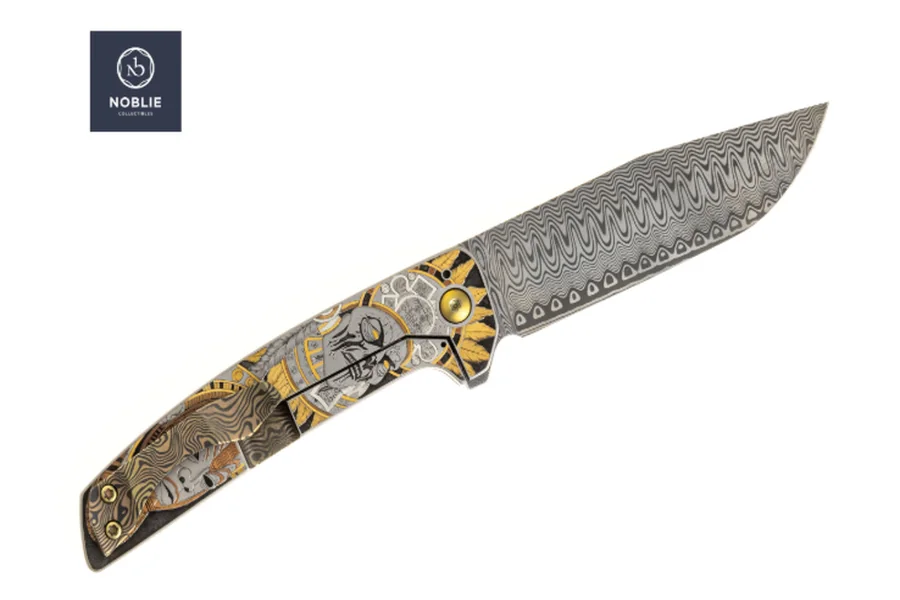
Finding a meaningful gift for a man can feel like a puzzle. You want something practical that won’t collect dust. Something personal that shows you put thought into it. A custom pocket knife checks all these boxes and then some.
What Makes a Custom Pocket Knife Different from Store-Bought?
A custom pocket knife is built specifically for one person. The maker selects the steel type, shapes the handle to fit a particular hand, and adds design elements that reflect the owner’s personality. Store-bought knives come off an assembly line. Custom knives get individual attention at every stage.
The blade geometry gets optimized for specific tasks. A hunter needs a different edge angle than someone who opens packages all day. The handle material can be chosen based on how the knife will be used. G10 composite for wet conditions. Stabilized wood for elegance. Carbon fiber for weight savings.
Mass-produced knives use standardized patterns that work adequately for everyone but perfectly for no one. Custom makers measure, adjust, and refine. The result is a tool that feels like an extension of your hand from the first time you pick it up.
From Generic Tools to Personal Heirlooms
Fifty years ago, pocket knives were purely utilitarian. You bought what was available at the hardware store. Swiss Army knives and basic folders served their purpose but offered zero personalization.
The 1980s saw a surge in tactical folders, but these prioritized function over form. They looked aggressive. They felt industrial. Many men wanted something refined.
Some manufacturers tried laser-engraving standard models to add personalization. This approach failed because a stamped name on generic steel doesn’t create emotional connection. The knife underneath remained mass-produced.
Modern custom knife making emerged as craftsmen recognized that men wanted tools reflecting their identity. Today’s custom makers combine traditional bladesmithing with contemporary materials. They create pieces that perform exceptionally while telling a story. Each knife becomes a conversation starter, a daily reminder of someone’s care, and eventually, a family heirloom.
Why Men Actually Use Custom Pocket Knives Daily
Men keep custom knives in their pockets because these tools prove useful constantly. Opening shipping boxes. Cutting zip ties. Trimming loose threads. Slicing an apple at lunch. The applications appear dozens of times per week.
A quality custom knife stays sharp longer than budget alternatives. Many use premium steels like CPM-S35VN or Bohler M390. These alloys retain their edge through months of regular use. Less time sharpening means more time working.
The weight distribution in a well-designed custom knife reduces hand fatigue. After cutting cardboard for twenty minutes, you’ll notice the difference between a $30 gas station folder and a properly balanced custom piece.
Noblie custom pocket knives demonstrate how thoughtful design translates to real-world performance. Their makers understand that a knife you actually carry beats a safe queen every time. They engineer their pieces for dependable daily service while maintaining aesthetics that make you proud to pull them out.
Expert Tip from James Thornton, Master Bladesmith: “The biggest mistake people make is buying a knife that’s too large for everyday carry. A 3-inch blade handles 95% of daily tasks. Anything bigger stays home in a drawer. Choose portability over intimidation.”
Common Mistakes When Selecting a Pocket Knife Gift
Assuming Bigger is Better
Many gift buyers select the largest, most aggressive-looking knife in the catalog. It seems more impressive. More masculine. More valuable.
The recipient ends up with a knife that’s uncomfortable to carry. It creates an obvious bulge in the pocket. It feels awkward in social settings. After two weeks of trying to make it work, it goes into a desk drawer.
The cost: A gift that could have been used 300+ times per year becomes decorative. The emotional connection never forms because the practical connection failed first.
Ignoring the Recipient’s Actual Needs
Buyers often choose knives based on what looks cool rather than what the recipient actually does. They buy a tactical folder for someone who works in an office. They select a gentleman’s knife for someone who spends weekends hiking.
The mismatch between tool and lifestyle shows immediately. The office worker feels self-conscious carrying something designed for breaching operations. The outdoorsman finds his elegant folder too delicate for field use.
The cost: The gift communicates “I didn’t think about your life” instead of “I understand you.” The knife becomes a symbol of disconnect rather than connection.
Skipping the Personalization Options
Some buyers order custom knives but skip the customization. They choose default materials and standard finishes because they’re unsure what to select.
This defeats the entire purpose of commissioning a custom piece. Without personal touches, the knife remains just another well-made tool. It lacks the story, the meaning, the connection to the recipient’s identity.
The cost: You pay custom prices for essentially generic results. The recipient appreciates the quality but misses the emotional impact that makes custom gifts memorable.
How Custom Knives Reflect a Man’s Identity
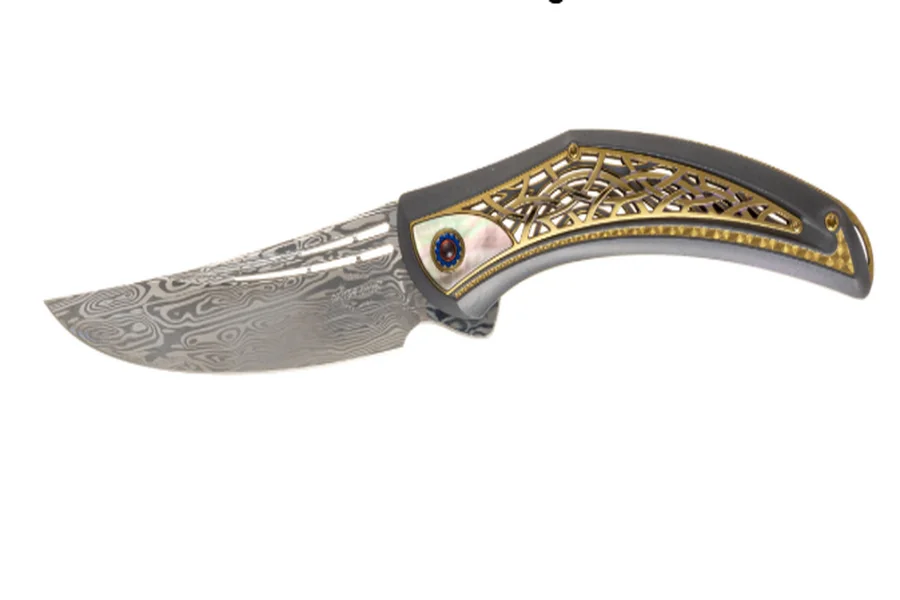
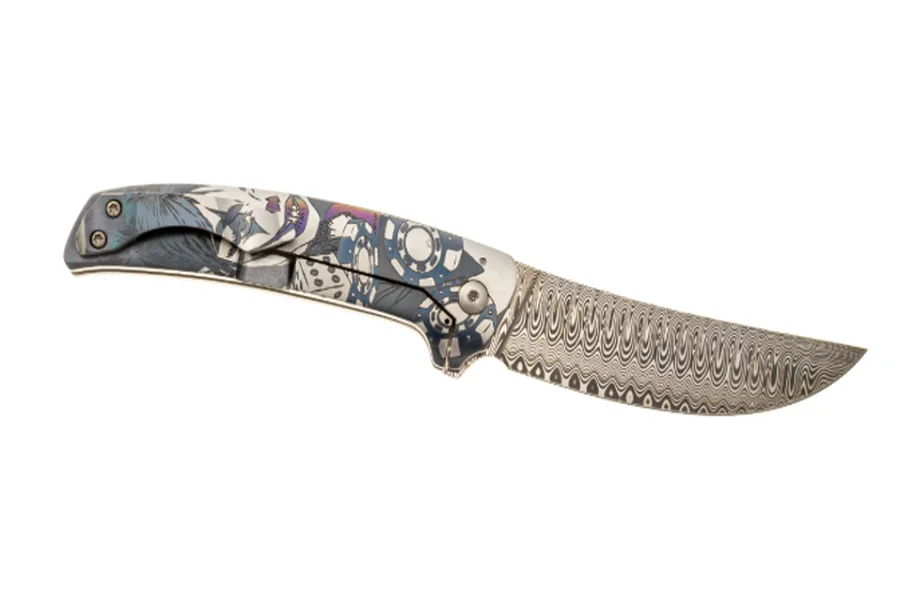
A custom knife becomes an extension of personality. The choices in materials, finish, and design reveal character. Someone who selects Damascus steel with fossilized mammoth ivory appreciates craftsmanship and history. Someone who chooses black G10 with a stonewashed blade values understated functionality.
The knife communicates without words. When a man pulls out his pocket knife, people notice. They make assumptions about his values. A well-chosen custom piece signals:
- Appreciation for quality over quantity
- Respect for traditional craftsmanship
- Practical mindset focused on tools that work
- Attention to detail in personal possessions
This becomes particularly meaningful in professional settings. A distinctive custom knife starts conversations. It demonstrates that you curate your everyday carry thoughtfully. It suggests competence and preparedness.
Investment Value: Why Custom Knives Appreciate
Quality custom knives increase in value over time. Limited production runs ensure scarcity. As makers gain recognition, their early work becomes sought-after.
A well-maintained custom knife from an established maker can sell for 150-300% of its original price after ten years. Some pieces from renowned craftsmen appreciate even more dramatically.
Compare this to almost any other gift category. Electronics become obsolete. Clothing wears out. Accessories go out of style. A custom knife built from premium materials and traditional techniques remains relevant indefinitely.
The practical aspect matters too. While the knife appreciates financially, it provides daily utility. You’re using an appreciating asset rather than watching it sit in a safe.
| Feature | Custom Pocket Knife | Luxury Watch | High-End Pen | Designer Wallet |
| Daily practical use | Constant (multiple times) | Frequent | Occasional | Frequent |
| Maintenance required | Minimal (periodic sharpening) | Regular (servicing every 3-5 years) | Minimal | None |
| Appreciation potential | High (150-300% over 10 years) | Variable (depends on brand) | Moderate | Low |
| Personalization depth | Extensive (blade, handle, finish) | Limited (engraving only) | Moderate (barrel, nib) | Minimal |
| Heirloom quality | Excellent (lasts generations) | Excellent | Good | Poor (leather degrades) |
The Emotional Connection: Why This Gift Matters
Men typically struggle to express emotions. They communicate through actions. Through gifts that demonstrate understanding.
A custom pocket knife says: “I see you. I know what matters to you. I invested time learning what would serve you best.”
The daily interaction reinforces this message. Every time he reaches for the knife, there’s a moment of recognition. The gift-giver’s thoughtfulness becomes tangible hundreds of times per year.
This creates a lasting emotional impact that occasional-use gifts cannot match. A tie worn monthly can’t compete with a tool used daily. The repetition builds connection.
The Argument Against Giving Knives as Gifts
Some cultural traditions consider giving knives as gifts to be bad luck. The superstition holds that a knife gift can “cut” the friendship. In certain regions, this belief runs deep enough that people refuse knife gifts entirely.
This concern has practical merit in specific contexts. If the recipient comes from a culture where this superstition is taken seriously, the gift might create discomfort rather than joy. The traditional workaround involves the recipient giving the giver a penny in return, symbolically “purchasing” the knife and breaking the bad luck.
However, for the majority of modern American gift recipients, this superstition carries little weight. Most men prioritize practical value and thoughtfulness over folkloric concerns. When the knife is clearly chosen with care and serves a genuine need, the symbolic meaning of the selection process overwhelms any abstract concerns about luck.
The key is knowing your audience. If you’re uncertain about the recipient’s cultural background or superstitions, a brief conversation beforehand can prevent awkwardness. For most men in the US, a well-chosen custom knife represents one of the most appreciated gifts they’ll receive.
Engineering Details That Matter
The steel composition determines everything about knife performance. S30V contains 1.45% carbon, 14% chromium, and 4% vanadium. This combination creates carbide structures that resist wear while maintaining corrosion resistance.
Heat treatment matters more than steel choice. Properly heat-treated 440C outperforms improperly treated S30V. The quenching temperature, tempering cycles, and cooling rates all affect the final hardness. Most custom makers hit 58-60 HRC on the Rockwell scale.
The blade grind affects cutting performance more than most people realize. A full flat grind removes maximum material behind the edge, creating a thinner profile that slices effortlessly. A saber grind leaves more material near the spine, adding strength for heavy use. Custom makers select grinds based on intended use.
Pivot mechanisms deserve attention too. Phosphor bronze washers provide smooth action with minimal maintenance. Ceramic bearings offer even smoother operation but require precision manufacturing. The best custom makers hand-tune each pivot until the blade drops shut with just gravity.
Handle ergonomics rely on subtle curves and angles. A 15-degree angle at the choil positions your index finger naturally. Mild jimping on the spine provides grip without being aggressive. These details seem minor but create major differences in comfort during extended use.
Expert Tip from Michael Chen, Custom Knife Designer: “People obsess over steel types but ignore handle design. Your hand touches the handle constantly. The blade only contacts material when cutting. A perfectly shaped handle transforms a good knife into one you’ll carry forever. Prioritize comfort over exotic materials.”
Practical Considerations for Knife Gifting
Blade length restrictions vary by state and locality. Most places allow folders under 3 inches without restrictions. Check local laws before selecting a knife, especially for recipients who travel frequently for work.
Locking mechanisms affect both safety and legality. Liner locks and frame locks are universally accepted. Automatic knives face restrictions in many states. Stick with manual folders unless you’ve confirmed local laws permit automatics.
Consider the recipient’s work environment. Corporate offices often have policies against visible weapons, even pocket knives. A small, discrete folder works better than a large tactical design for office workers. Tradesmen and outdoor professionals face fewer restrictions.
Maintenance requirements vary by steel type. Stainless steels like S35VN require minimal care. High-carbon steels like 1095 need regular oiling to prevent rust. Match the steel to the owner’s likely maintenance commitment.
Finding the Right Maker for Your Custom Knife
Research takes time but ensures quality results. Start by examining makers’ portfolios online. Look for consistent quality across multiple pieces rather than one spectacular example.
Communication style matters. The best custom makers ask detailed questions about the recipient’s needs. They should inquire about:
- Typical use cases and environments
- Hand size and grip preferences
- Aesthetic preferences
- Maintenance willingness
- Budget constraints
Avoid makers who push their standard designs without understanding your requirements. The customization process should feel collaborative.
Lead times for custom work typically run 6-18 months. Plan accordingly for birthday or holiday gifts. Some makers maintain waiting lists of 100+ people. High demand signals quality but requires advance planning.
Pricing varies enormously. Established makers charge $500-3000 for folders. Less known craftsmen offer quality work for $300-800. The premium for big names often exceeds the performance difference. Mid-tier makers frequently deliver exceptional value.
Conclusion
A custom pocket knife combines daily utility with emotional significance. It serves practical needs hundreds of times yearly while reminding the recipient of your thoughtfulness. The personalization options let you create something truly unique. The quality ensures decades of reliable service.
Unlike most gifts that eventually wear out or become obsolete, a well-made custom knife remains relevant indefinitely. It appreciates in value while providing constant use. It becomes a family heirloom that carries stories forward through generations.
The investment of time and money communicates your priorities clearly. You value the recipient enough to research, plan, and commission something specifically for them. That message resonates far beyond the physical object itself.