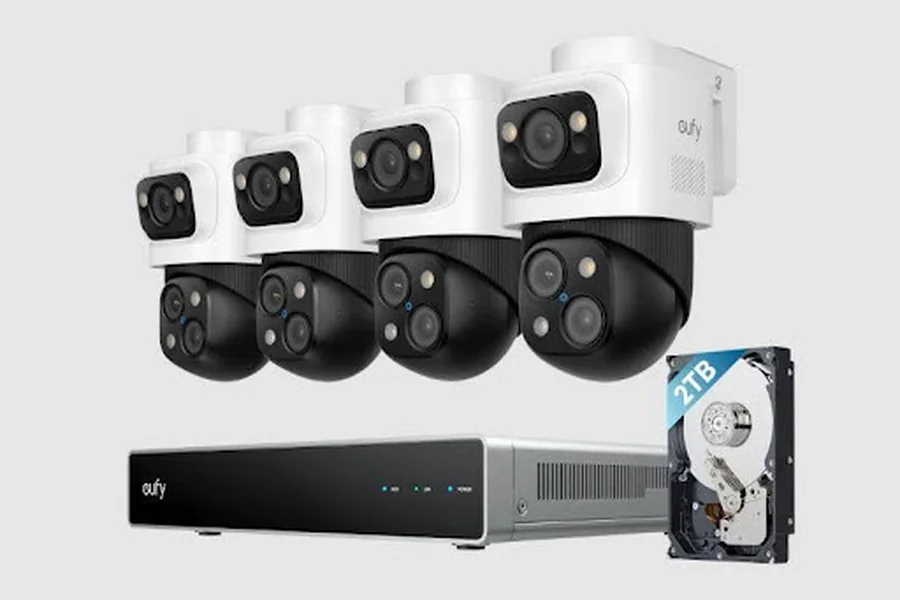
Power over Ethernet (PoE) cameras are more than just recording devices. They combine power delivery, data transfer, and advanced storage methods into a single cable connection, creating a system that is efficient and highly reliable. Unlike standalone Wi-Fi cameras, PoE solutions emphasize centralized control and secure data management. They are ideal for homeowners and businesses who want seamless recording without relying on scattered memory cards or constant cloud subscriptions. By understanding how PoE cameras store and manage video data, you can make smarter decisions about your security system and ensure that your surveillance coverage is both accessible and long-lasting.
The Foundations of PoE Video Storage
A PoE camera system handles video differently than basic plug-and-play models.
Centralized Storage with NVRs
The core of any PoE Camera is the Network Video Recorder (NVR). Rather than saving clips on individual devices, all video streams are directed into the NVR for central storage. This makes it easier to review events across multiple cameras without searching through separate memory cards. A pre-installed hard drive—such as the 2TB drive included with many systems—provides enough capacity for weeks of footage. The benefit is continuity: whether it’s one camera or a network of sixteen, every recording funnels into a single, organized archive.
Hard Drives Built for Expansion
Scalability is another strength. A standard system may begin with a modest hard drive, but capacity often expands up to 16TB or more. This upgrade path ensures your system grows with your needs. The result is long-term storage where footage isn’t overwritten too quickly. For businesses or homeowners who want 24/7 coverage, expandable drives offer peace of mind. It transforms your NVR from a short-term recorder into a true video library.
Continuous Recording and Overwrite Loops
PoE cameras often support continuous recording, not just motion-triggered clips. When storage fills, the system overwrites the oldest data first. This cycle ensures you always have the most recent footage without manual intervention. While older clips are eventually replaced, critical moments can be bookmarked or exported before they vanish. This balance between automation and control is key to efficient data handling.
Smarter Management Through AI and Tracking
Modern PoE systems don’t just store—they make footage easier to find.
Dynamic Subject Tracking
Some advanced cameras combine fixed and Pan-Tilt-Zoom (PTZ) lenses. When motion is detected, the PTZ lens locks onto the subject, zooming in for a close-up while the wide-angle lens maintains context. This dual view not only captures the scene but ensures that individuals remain centered and visible as they move. Stored footage then reflects both broad coverage and detailed tracking, reducing blind spots.
Live Cross-Camera Coordination
In multi-camera setups, tracking continues across zones. When one camera reaches its limit, another automatically takes over, creating uninterrupted coverage of a subject moving across your property. This cross-camera communication ensures stored video tells a complete story rather than fragmented clips. For reviewing incidents, it means you can follow an event seamlessly from one side of your home to another.
AI-Powered Search and Sorting
AI tools now transform how video data is managed. Instead of manually scrolling through hours of recordings, AI-powered video finders let you search with keywords or filter by specific motion events. Whether you’re looking for “delivery” or “vehicle,” the system instantly pulls up relevant clips. This efficiency turns a mountain of footage into a curated archive where useful evidence is never buried.
Practical Benefits for Everyday Use
Storage and management only matter if they serve daily needs effectively.
Easy Setup and Reliable Access
PoE cameras simplify installation by running both power and data through one cable. Once connected to the NVR, footage automatically begins storing without complex configuration. This plug-and-record approach ensures reliability from day one. Accessing that data through a connected app makes it easy to check recordings remotely, whether at home or traveling.
Balancing Local and Optional Cloud Features
Local storage remains the backbone of PoE systems, but some users may choose additional cloud-based features for notifications or remote thumbnails. In such cases, only the relevant preview or clip is sent to the cloud while full footage remains secured locally. This hybrid balance keeps data under your control while offering the convenience of cloud-powered alerts.

Durable Hardware for All Conditions
Outdoor PoE cameras must record in heat, rain, or snow. With IP65-rated weatherproofing, they continue capturing video regardless of the environment. Reliable hardware ensures that your storage isn’t missing critical footage just because conditions are harsh. In other words, data management is only as strong as the equipment recording it, and durability is non-negotiable.
Conclusion
PoE cameras store and manage video data by combining centralized NVR storage, expandable hard drives, and continuous recording loops. Smart features like dynamic subject tracking, cross-camera coordination, and AI-powered search make reviewing hours of footage effortless. Practical benefits such as simple setup, local storage, and weatherproof hardware further ensure dependable performance. Systems like the eufy NVR Security System S4 Max enhance these advantages with triple-lens cameras, real-time tracking, and a scalable 2TB–16TB storage solution. With careful planning, a PoE Camera system evolves from simple surveillance into an intelligent network, ensuring your property is protected, your data is organized, and your security is truly reliable.