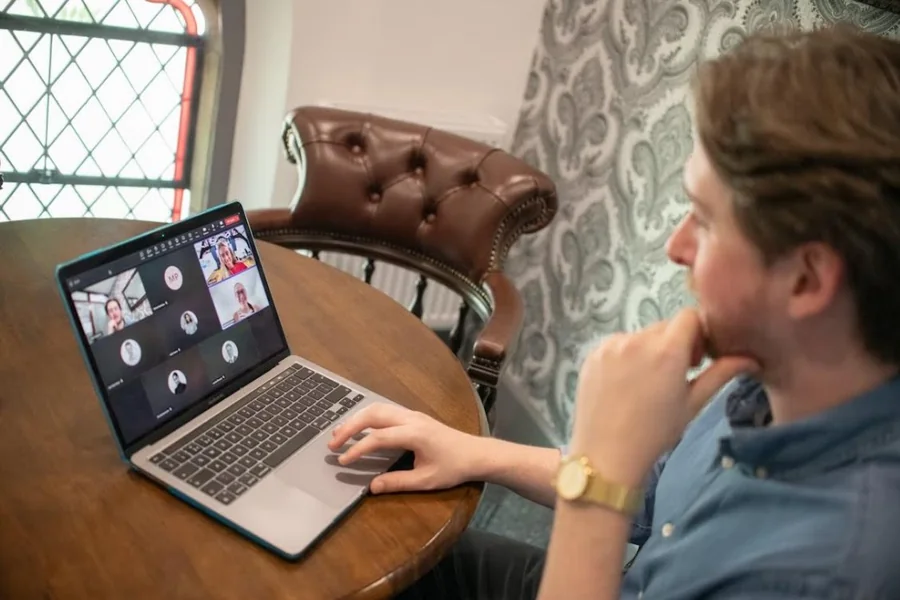
Social media isn’t just changing how we connect online–it’s completely flipping the script. What started as simple networking has become a massive force that shapes entire communities. The changes are pretty wild when you look at them closely.
It’s fascinating how these platforms went from “nice to have” to absolutely essential for community building. Let’s break down the four biggest ways this is happening.
1. We’re All Connected Now (Whether We Like It or Not)
Remember when finding people who shared your weird hobby meant scouring obscure forums? Those days are gone. Facebook groups, Instagram hashtags, specialized Discord servers–suddenly everyone’s just a click away.
Take my friend Sarah, who’s obsessed with vintage typewriter restoration. Five years ago, she knew maybe two other people who shared this interest. Now, she’s part of a Facebook group where people share repair tips daily. They even organize meetups across different cities.
The geography thing is huge here. You can be in rural Montana and still connect with fellow pottery enthusiasts in Tokyo. It’s not perfect–time zones are still a pain–but the barriers have basically crumbled.
2. Finally, Everyone Gets a Voice
This one’s been a game-changer, especially for communities that mainstream media ignored for decades. Social media handed everyone a megaphone, and some people are using it brilliantly.
Look at #BlackLivesMatter. That movement didn’t start in newsrooms or political offices–it grew from Twitter conversations and Facebook posts. Real people sharing real experiences, building momentum that traditional gatekeepers couldn’t control or ignore.
Sure, it’s messy sometimes. But overall, we’re hearing perspectives that were silenced before, and communities are richer for it.
3. Collaboration Just Got Weird (In a Good Way)
LinkedIn used to be this sterile networking wasteland. Now it’s where entire industries collaborate on projects. Twitter threads solve complex problems in real-time. It’s chaotic but surprisingly effective.
Crowdsourcing has exploded, too. Communities rally around causes, fund projects, and share resources in ways that would’ve taken months to organize before. One area where this really shows is US online poker, where players collaborate on strategy guides, pool resources for legal advocacy, and support each other through regulatory challenges.
The speed of it all is what gets me. Ideas can go from concept to execution in days instead of years.
4. Feedback Happens Yesterday
Everything’s instant now. Post something, and you’ll get reactions immediately. Launch a product, and you’ll hear complaints within hours. It’s exhausting but incredibly useful.
YouTube creators know this well–they can see exactly which parts of their videos work based on real-time analytics and comments. Customer service teams monitor Twitter mentions 24/7. The feedback loop is so tight it’s almost overwhelming.
This immediacy forces communities to stay responsive. You can’t ignore your members for weeks anymore–they’ll let you know if something’s broken, usually loudly and publicly.
The Bottom Line
Social media turned online communities from static websites into living, breathing ecosystems. They’re messier than before, sure. But they’re also more dynamic, inclusive, and powerful than anyone predicted.
The digital landscape won’t slow down anytime soon. You might as well learn to surf these waves instead of getting crushed by them.