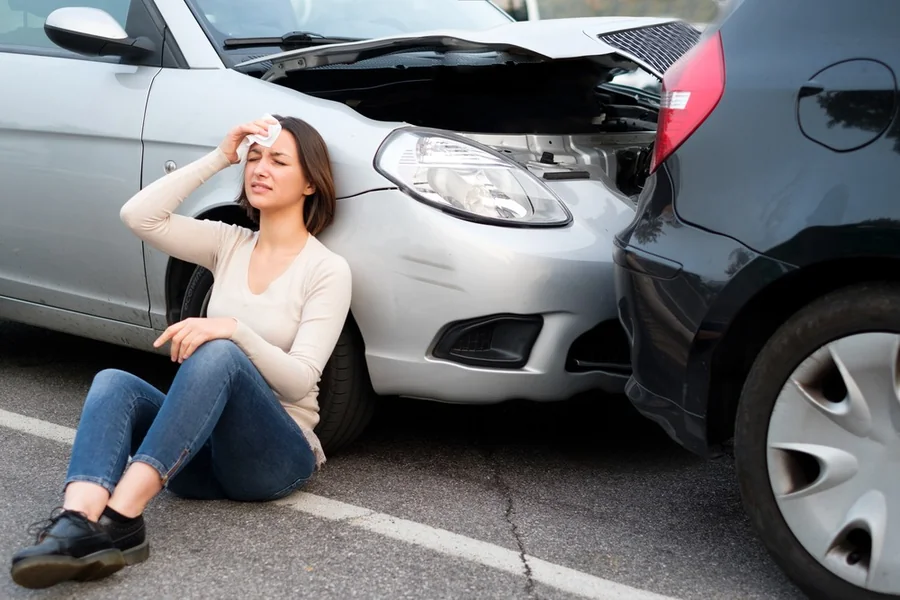
Houston drivers deal with packed roads, sudden stops, and folks who treat turn signals like rare art pieces. When a crash happens, things spin fast. People check for injuries, grab insurance cards, and try to make sense of who did what. But one thing often decides the direction of a claim more than anything else—traffic violations. A simple ticket can shift blame. It can raise or lower the money a victim gets. It can even shape how insurers react. And you know what? Many people don’t see that part coming until it’s right in front of them. Let’s walk through how traffic violations tie into personal injury cases in Houston, and why they matter more than most folks think.
Why Violations Matter More Than Most People Expect
A crash isn’t just a crash. It’s a mix of choices, rules, and timing. When someone breaks a traffic law—speeding, running a red light, failing to yield—it paints a picture. Not a fancy one. More like a bold, simple sketch that says, “Here’s who caused this mess.” Texas uses a rule called proportionate responsibility. Lawyers mention it all the time, but the idea is pretty clear: if you’re partly at fault, your money goes down. If your share hits 51%, you’re out. You don’t get a penny. Sounds harsh, but that’s the rule. So, when the driver who hit you broke a law, that helps your case. When you get a ticket too, things get tricky. Even a small violation can sway the numbers. And honestly, most folks don’t realize how much a single line in a police report can change the tone of a claim.
Common Violations That Change a Case Fast
Some violations pop up more in Houston than anywhere else. Blame it on the heat, the rain, or the endless construction zones. These are the big ones:
Speeding
Almost every lawyer groans when they see the other driver was speeding. It’s clear proof of careless driving. And when a car hits you at high speed, your injuries get worse. That alone raises the value of a claim.
Running Red Lights or Stop Signs
This one hits harder emotionally. People picture near-misses and loud crashes at busy intersections. Juries take these violations seriously, and insurers know it.
Failure to Yield
This shows up a lot in Houston left-turn crashes. The driver turning left often gets blamed unless there’s strong proof the other driver caused it.
Distracted Driving
Phones, food, GPS screens—take your pick. A distraction ticket can increase fault fast, and judges don’t play around with it.
DWI or Drug Influence
This changes a regular claim into something much bigger. A drunk-driving crash may lead to higher compensation, sometimes even punitive damages. Traffic violations aren’t just “tickets.” They’re clues that shape the entire case.
Does a Ticket Guarantee Fault? Not Always
You might think: “If the officer wrote them a ticket, that means they’re at fault.”
Well, sort of. But not fully. A ticket helps. It shows the officer saw a violation. But insurance companies love to argue. They try to say the officer didn’t witness the crash, or the violation wasn’t the true cause. They get creative. And they push that creativity hard. On the flip side, if you got a ticket, don’t panic. Sometimes officers mark violations as a precaution. A lawyer can still shift the blame back to the other side—especially if there are:
- photos from the scene
- witness statements
- skid marks
- traffic camera footage
- damage patterns that don’t match the officer’s guess
A ticket is a piece of the puzzle, not the whole thing.
How Violations Shape Compensation Numbers
Let me explain this in a simple way. Say your case is worth $100,000. If you’re found 20% at fault, you get $80,000. If you’re hit with 55% fault—game over. You get nothing. Traffic violations push those percentages. Sometimes a little. Sometimes a lot.
Here’s where it hits your wallet:
- Medical bills
- Lost wages
- Crash-related pain
- Vehicle repair or total-loss value
- Long-term care costs
When the other driver broke a serious traffic law, your lawyer can argue for higher damages because the conduct was reckless. When you break a law, your lawyer fights to show it didn’t cause the crash that will help in the legal process.
Police Reports Carry Weight—But They’re Not Final
Police reports feel official. The badge, the tone, the neat boxes. But they’re not perfect. Officers often write them fast, during chaos, while dealing with injuries or traffic backups. You’d be surprised how often reports have errors—wrong dates, mixed-up vehicle positions, or statements that get paraphrased in odd ways. Good lawyers don’t just accept a report. They look deeper. They compare it with real evidence. They reconstruct the crash if needed. Houston attorneys work with specialists all the time—accident engineers, medical experts, even video analysts. You don’t need every expert for every case, but sometimes a single missing detail changes everything.
The Insurance Company Angle
Insurers are trained to reduce payouts. If they can use a traffic violation against you, they will. If they see an unclear report, they jump at it. If they find a small mistake in your statement, they stretch it.
Their favorite moves?
- Saying your ticket makes you the main cause
- Saying you had “noticeable distractions”
- Saying you could’ve avoided the crash
- Saying their driver’s violation wasn’t the real factor
It can feel unfair. And tiring. And honestly, a bit sneaky. That’s one reason people call a lawyer early. Not for drama—just for balance. You need someone who knows the playbook.
When Violations Lead to Bigger Claims
Some violations don’t just shift fault. They increase the overall value of the case. For example:
- DWI crashes often involve punitive damages.
- High-speed collisions lead to worse injuries and long recovery.
- Hit-and-run violations may open the door for uninsured motorist claims.
You can see how a simple traffic law issue opens several doors at once—some good, some stressful.
Why You Should Document Everything Right Away
Houston drivers often rush after a crash because traffic piles up. But taking a few minutes to gather things helps later:
- photos of skid marks
- a quick video of car positions
- the weather at the moment
- the other driver’s behavior (slurred speech, shaking, etc.)
- license plates of witnesses
These tiny bits help your lawyer challenge any violation pinned on you—or highlight the other driver’s mistakes. Memory fades fast after a crash. Stress does weird things to recall. So the more you document, the safer your case becomes.
Should You Call a Lawyer? Almost Always.
You don’t need to wait for a ticket. You don’t need to wait for insurance. And you don’t need to wait for pain to get worse. A quick call can keep you from falling into the traps insurers set. Reach out to Schechter, Shaffer & Harris, LLP – Accident & Injury Attorneys for free consultations. Some won’t even charge unless they win. And the conversation is simple: “Here’s what happened. What now?” There’s no harm in asking.
FAQs
1. Does a traffic ticket automatically make me at fault?
No. A ticket is evidence, not a final decision. Your lawyer can challenge it.
2. What if both drivers broke traffic laws?
Both parties’ faults get measured. Your compensation goes down based on your share.
3. Can a speeding violation increase my claim?
Yes. High-speed impact often leads to stronger cases due to greater damage and injury.
4. Do insurance companies use violations against me?
Yes. They often use any violation to reduce compensation. A lawyer helps limit that.
5. What if the other driver leaves the scene?
A hit-and-run may trigger uninsured motorist coverage. Police and video evidence become key.