
Estimating your whole home generator expense involves understanding various factors that come into play. Choosing the right generator ensures your home remains powered during outages, but costs can vary significantly based on specific needs. Consider generator size, power requirements, installation fees, and ongoing maintenance. Evaluating these factors will help you budget effectively. This blog dives deep into elements affecting generator costs, providing a comprehensive guide to forecasting your expenses accurately. Whether you’re planning to purchase a generator or exploring solar alternatives like the Anker SOLIX F3800 Plus, understanding pricing dynamics is essential. Let’s explore different aspects to help you prepare financially for home backup systems.
Factors Affecting the Cost of Whole Home Generators
A variety of factors affect the expense of installing a whole-home generator. Evaluating how these elements influence pricing allows homeowners to make informed decisions.
Generator Size and Its Impact on Cost
The size of a generator is one of the primary determinants of cost. Larger generators naturally come with higher price tags due to their capacity and capabilities. For instance, a small generator might suffice for basic appliances, while a larger unit is necessary for powering an entire home, especially during lengthy outages. The generator’s power output directly influences its pricing, making it crucial to assess how much power your household really needs. Understand whether you need a unit to cover essential appliances or a full backup capable of handling all your home’s electricity demands. This will help in aligning the size of the generator with actual functioning needs, ensuring financial efficiency.
Power Needs and Estimating Usage
Determining your home’s power needs is essential in establishing generator expenses. Power usage estimates begin with listing essential appliances and calculating their combined wattage requirements. This calculation informs the generator size necessary and impacts costs accordingly. Ideally, assess peak usage times in your household to identify potential high-demand periods. Consider future changes in power needs as well. Whether planning to add new appliances or move towards expanding home energy requirements, keeping these considerations in mind will guide your generator investment efficiently.
The Role of Fuel Type in Cost
The type of fuel a generator uses significantly impacts its costs. Common options include natural gas, propane, and diesel, each with distinct cost implications based on availability and current prices. Propane generators might have higher initial costs but represent cleaner energy options, while diesel offers higher energy efficiency but might incur more operational expenses over time. Natural gas often provides a balance of cost efficiency and ease of sourcing. Understanding fuel type implications is vital to predict ongoing expenses and potential cost savings in energy usage over time.
Breakdown of Whole Home Generator Costs
Understanding the individual components of whole home generator cost helps craft a comprehensive budget. Analyze expenses based on generator unit price, the complexity of installation, and additional hidden costs encountered during the process. Each element demands careful consideration to avoid budgetary surprises.
Cost of Generator Units
Generator prices vary widely depending on factors such as power output, fuel type, features, and brand reputation. Smaller portable generators intended for light or emergency use are generally more affordable, often starting at a few thousand dollars. Mid-range standby models designed to support essential household systems cost more, while high-capacity generators capable of powering an entire home can reach several tens of thousands. Choosing a generator that matches your energy needs and budget ensures long-term reliability and cost efficiency.
Installation and Electrical Work
Installation fees can add considerable costs to the generator buying process and are often overlooked during budgeting. The complexity of installation varies depending on the type and size of the generator selected. Larger or standby units typically require extensive electrical and sometimes gas line work to integrate safely with an existing power system. Labor fees, transfer switches, and additional electrical components can significantly increase the total expense. To avoid safety risks and performance issues, installation should always be handled by qualified professionals who can ensure compliance with local codes.
Permits and Other Hidden Costs
Obtaining permits adds another layer of expense to the installation process and is often overlooked during initial budgeting. Local regulations may require homeowners to secure permits for installation, inspections, and connections to gas lines or electrical systems. These permit fees can vary widely by city or region, making it essential to research local requirements in advance. Beyond permits, other hidden costs may include landscaping adjustments after installation, extended warranty purchases, routine inspections, and annual maintenance fees, all of which play an important role in long-term financial planning and overall project costs.
Alternatives to Whole Home Generators
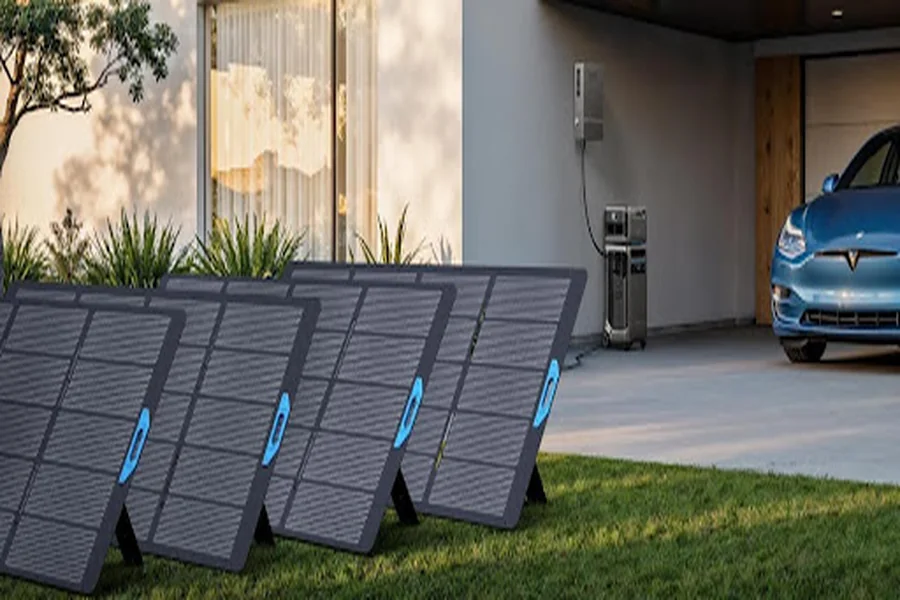
Considering alternatives like the Anker SOLIX F3800 Plus Solar Generator, paired with a 400W solar panel, could be advantageous. This system boasts a substantial 3,200W solar input with dual MPPT controllers, offering a sustainable energy solution suitable for overheating demands. It supports gas generator charging compatible with 240V generators for extended outages. Starting at 3.84kWh, it expands up to 26.9kWh, accommodating extensive energy storage needs. The dual-voltage AC output can energize home appliances with a 6,000W AC output, potentially increasing to 12,000W. Investing in solar solutions provides long-term cost savings and aligns with eco-friendly living aspirations.
Conclusion
Estimating the expense of a whole home generator involves thorough research and calculation. Understanding generator size, power demands, fuel type, installation, and hidden costs gives a rounded overview of potential investments involved. Aligning these insights with personal budget constraints helps make informed decisions, reducing unexpected expenses. Considering alternatives like advanced solar solutions could provide future savings and emphasize sustainable living. Carefully evaluate each component to ensure a backup system that not only meets your needs but also offers financial predictability and reliability in power supply.