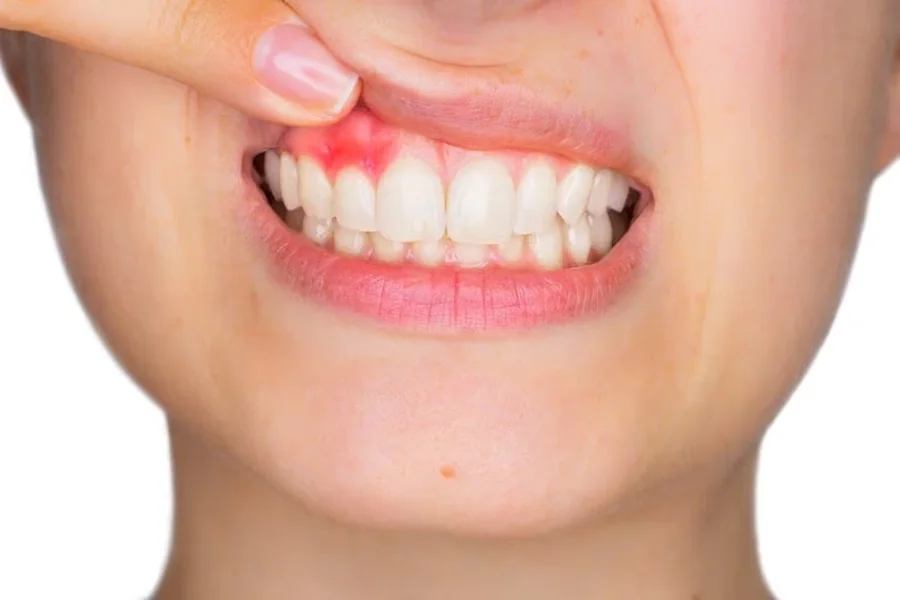
One of the biggest changes a woman experiences is during pregnancy. We know it’s a test of physical, hormonal, and mental transformation, as well as an internal transformation, all in preparation for bringing a life into the world. Pregnancy is so complex that even the teeth undergo changes, requiring women to be vigilant with regular checkups with their dentist.
Pregnancy brings hormonal changes where the woman is more exposed to the risk of contracting oral diseases due to the exposure of the teeth to the acids in the stomach that cause constant vomiting and nausea.
It is important to emphasize that dental complications that occur during pregnancy are not 100% the fault of the pregnancy itself; it is simply that the teeth are a little more exposed and vulnerable, so more thorough oral hygiene after each meal and regular visits to the dentist are recommended.
Common dental pathologies or diseases in women during pregnancy:
- Gingivitis: During pregnancy, women are more likely to have increased levels of progesterone and estrogen, which can lead to inflammation and redness of the gums, potentially associated with gestational gingivitis.
- Tooth decay: Tooth decay occurs due to a combination of factors such as saliva acids, bacteria, and food buildup (mostly sugars). Pregnant women are advised to maintain a healthy diet and good oral hygiene from day one to prevent cavities from progressing to a point where they can cause emotional distress due to inflammation and pain.
- Periodontal disease: This does not cause discomfort at first, but it is necessary to monitor it to detect it in time since it can lead to irreparable tooth loss.
- Pregnancy tumor (epulis gravidarum): It is only seen in 10% of pregnant women worldwide, it is an inflamed tumor that appears in the gingival area, it disappears in the postpartum stage but if it does not, a specialist should be consulted to have it safely removed.
- Sialorrhea: It is common for women to experience an excessive amount of saliva in their mouths during the first weeks of pregnancy.
Oral health encompasses not only the teeth, but also the tongue, gums, throat, and everything surrounding the mouth. Pregnant women should also have more thorough checkups with their dentist to avoid any situation that affects not only their physical health, but also their mental health and peace of mind during pregnancy.
In Turkey, there are dental clinics that are famous for their excellent service to the general public and also to pregnant women. One of them is the Dentakay clinic, where the specialists are known for their prudence and skillful handling of pregnant women’s teeth. If necessary, they can consult with the obstetrician to obtain better information about what can and cannot be done in a dental procedure to ensure everything is safe for the pregnant woman and her baby.
Here are some tips for keeping your teeth healthy during pregnancy:
- Always maintain good oral hygiene after every meal; it is important to prevent cavities, gingivitis, and other problems.
- Using dental floss at least once a day is a good way to remove food debris from between your teeth where your toothbrush couldn’t reach.
- Taking care of your diet is important; it’s normal to experience different cravings during pregnancy, but it’s always good to maintain a healthy diet that will not only benefit your teeth, but also your body’s recovery during postpartum.
- Drink plenty of water
- If in this case the pregnant woman suffers from hyperemesis gravidarum (constant vomiting and severe nausea for months) it is always advisable to rinse the mouth afterwards to avoid leaving stomach acid residue on the teeth. age
Is it safe to have dental procedures during pregnancy?
Yes, procedures such as dental fillings, crowns, minor surgeries, root canals, and even cleanings and X-rays are permitted. However, it is recommended to first obtain authorization from your obstetrician, as they are the one who knows the exact state of the pregnancy and any potential risks involved.