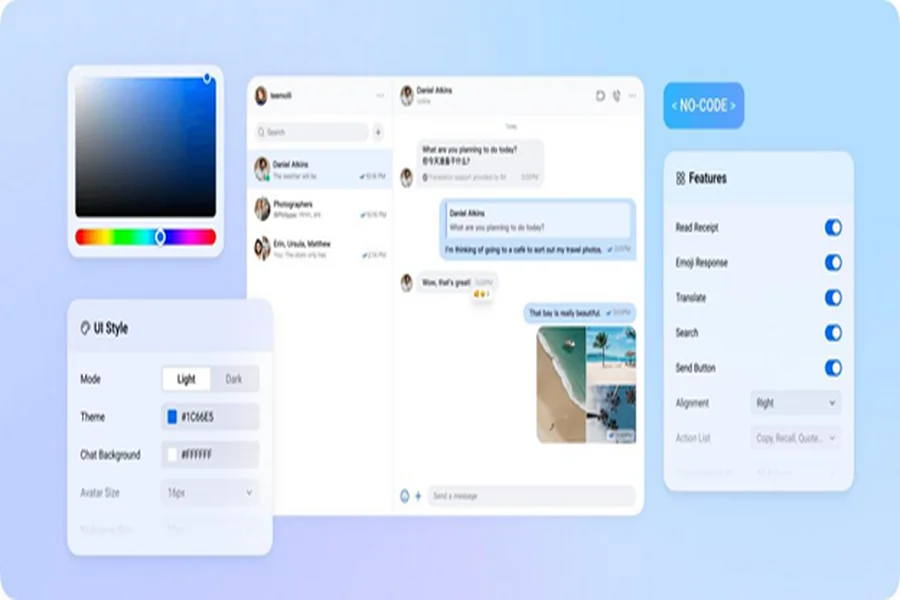
Modern apps now treat real-time chat as a standard feature. Whether users are contacting support, collaborating with teammates, or participating in online communities, they rarely consider the technical complexity behind each message. Yet for small teams with limited resources, building and maintaining chat functionality remains a significant challenge—message delays, failed notifications, or file delivery issues can all directly impact the user experience. This article presents practical ways to implement scalable, cost-effective chat in an app—without compromising on quality or user experience.
1. The Cost Challenge of In-House Chat Development
The Hidden Costs of Building from Scratch
Building a chat system internally often looks cheaper at first because there are no immediate licensing fees. Once development begins, teams quickly realize that real-time messaging requires persistent connections, message synchronization, and reliable storage across devices. Extra time is spent handling edge cases like offline users, duplicate messages, and delivery acknowledgments. Security also becomes a major responsibility, including encryption, abuse prevention, and data protection practices. Testing chat under high traffic loads demands additional tools and infrastructure that many small teams do not initially plan for. These hidden layers turn a “simple chat feature” into a long, resource-heavy engineering project.
Why Maintenance is a Major Burden
Launching chat is only the beginning, because maintenance continues for the entire life of the product. Operating systems and browsers update frequently, which can break real-time connections or background notifications. Server capacity must be adjusted as the user base grows, or performance will degrade during peak hours. Monitoring tools are required to detect message delays, connection drops, and unusual traffic patterns. Customer support teams also depend on fast fixes when users report missing or late messages. Over time, ongoing maintenance can consume more developer hours than the original build, making in-house chat increasingly expensive.
2. The Smart Choice: Chat APIs & SDKs
How a Chat SDK Saves Time and Money
Using a ready-made chat SDK allows small teams to skip years of infrastructure work and focus on core product features. Real-time messaging, offline storage, and push notifications are typically included as part of the service. This dramatically reduces the amount of custom backend code that needs to be written and maintained. Integration often takes days or weeks instead of months, which speeds up product launches. Built-in scalability also means traffic spikes are handled without emergency server upgrades. As a result, development costs become more predictable and easier to manage.
Key Features to Look for in a Cost-Effective SDK
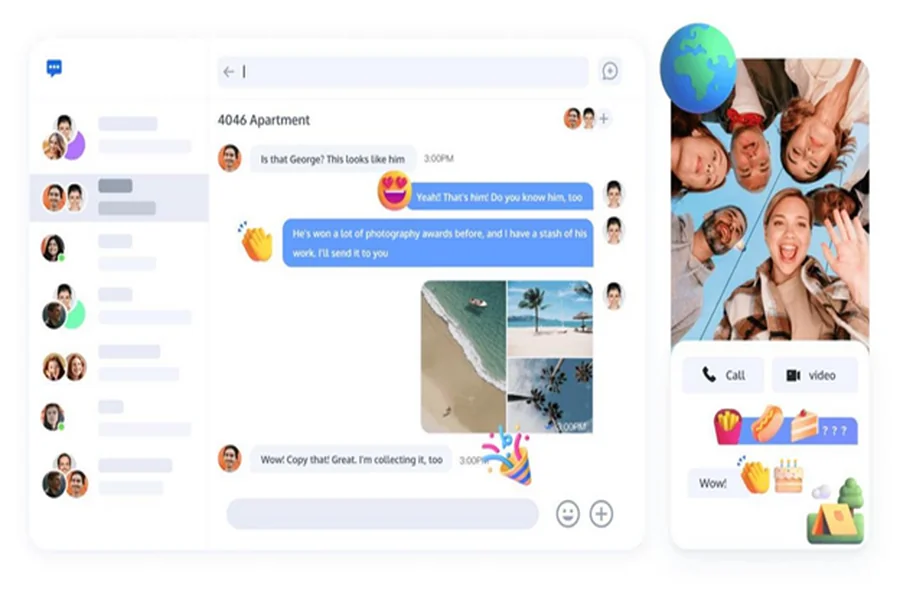
A cost-effective chat solution should support common message types such as text, images, and short audio clips. Group chat, read receipts, and typing indicators are also important because users now expect these features by default. Reliable offline messaging ensures that conversations continue smoothly even when someone temporarily loses connection. Strong moderation and content filtering tools help reduce the need for manual oversight as communities grow. Cross-platform support is essential so that the same chat system works on mobile apps, web apps, and other devices. Clear analytics and usage dashboards make it easier to track growth and control expenses over time.
3. Finding the Right Low-Cost Solution
Comparing Pricing Models: Freemium vs. Tiered Plans
Freemium pricing models are attractive for early-stage products because they allow teams to experiment without large upfront payments. These plans usually include limited message volume or active users, which is often enough during testing phases. Tiered pricing becomes important as the app grows and communication activity increases. Predictable tiers help teams forecast costs based on user growth instead of facing sudden, unexpected bills. It is also useful to check whether features like media messages or push notifications are included or charged separately. Understanding pricing details early prevents budget surprises later.
Top Budget-Friendly Chat API/SDK Options
Affordable chat platforms today are designed to support everything from small community apps to large-scale social experiences without requiring a custom backend. Some solutions combine messaging with real-time audio and video capabilities, which is helpful for apps that may expand into live interaction later. Tencent RTC chat sdk stands out in this category by offering broad scenario coverage, strong reliability, and a free usage tier that lowers the barrier for small teams while still supporting long-term growth.
4. Strategic Implementation to Control Costs
Start with Core Features, Add Later
Launching with only essential chat features helps control both technical complexity and service costs. Basic one-to-one messaging and small group chats usually cover the most common user needs at the beginning. Advanced features such as large public channels or rich media sharing can be added once user demand becomes clear. This phased approach reduces the risk of paying for capacity that is not yet needed. It also gives the team time to gather feedback and refine the user experience. Gradual expansion keeps spending aligned with real product growth.
Optimize for Scalability from Day One
Even small apps should be designed with future growth in mind. Choosing a chat service that can scale automatically prevents painful migrations later. Database structures and user IDs should be planned so that new features can be added without breaking old conversations. Load testing before major launches helps identify potential bottlenecks in message flow. Monitoring message delivery times and failure rates ensures issues are detected early. Early scalability planning avoids emergency fixes that are usually more expensive than careful preparation.
5. Avoiding Common Pitfalls and Managing Growth
Setting Realistic Budgets and Monitoring Usage
Clear budgeting starts with estimating daily active users and average messages per user. These numbers help predict monthly costs under different pricing tiers. Usage dashboards provided by chat platforms make it easier to see trends before bills rise sharply. Alerts can be set to warn when message volume approaches plan limits. Regular reviews of usage patterns also reveal which features are most valuable to users. Data-driven budgeting keeps communication features sustainable as the app grows.
When and How to Upgrade Your Plan
Upgrading a chat plan should be based on consistent growth rather than short-term spikes. Sudden traffic bursts from marketing campaigns may not justify a permanent jump to a higher tier. Many platforms allow temporary scaling or flexible adjustments that handle peak periods more efficiently. Performance metrics such as message delay and connection stability should guide upgrade decisions. Smooth upgrade paths are especially important for apps that cannot afford downtime. Planning upgrades carefully ensures users never notice the transition behind the scenes.
Conclusion
Adding chat to an app no longer requires a massive engineering team or an oversized budget. Third-party chat api and SDK make it possible to deliver modern messaging features with predictable costs and minimal infrastructure work. Smart planning, phased feature rollouts, and close monitoring of usage help small teams stay in control as their user base grows. Choosing a scalable and reliable solution early prevents expensive rebuilds later. With the right strategy, even a small team can offer fast, dependable communication that feels seamless in everyday use.