
In today’s digital-first business landscape, compelling visual content isn’t just a luxury—it’s a necessity for brand success. Yet for many small businesses, creating professional imagery has remained frustratingly out of reach. Traditional photography services often command premium rates that stretch already tight budgets, while stock photo libraries offer limited originality and brand alignment. Enter AI photo generators: a groundbreaking solution that’s revolutionizing how businesses approach visual content creation. These powerful tools combine cutting-edge artificial intelligence with user-friendly interfaces to deliver custom, professional-grade images at a fraction of traditional costs. By democratizing access to high-quality visuals, AI generators are leveling the playing field for businesses of all sizes. In this comprehensive guide, we’ll explore how these tools work, analyze their cost-effectiveness, and provide practical strategies for creating brand-aligned imagery that drives engagement and conversions. Whether you’re a startup founder or an established business owner, discover how AI-powered visual content can transform your marketing efforts without breaking the bank.
Why Small Businesses Struggle with Professional Imagery
Professional visual content remains a significant challenge for small businesses, with traditional photography shoots often costing thousands of dollars per session. These expenses, including photographer fees, equipment rentals, and post-production work, can quickly overwhelm limited marketing budgets. While stock photo libraries present a more affordable alternative, they come with their own set of limitations. Generic stock images fail to capture unique brand personalities, often appearing disconnected from a company’s specific offerings and target audience. Research shows that 67% of consumers consider image quality a crucial factor in purchasing decisions, while 40% are more likely to engage with visual content than plain text. Yet many small businesses find themselves caught between unaffordable professional photography and ineffective stock photos, leading to compromised visual branding that can damage market credibility. The impact extends beyond aesthetics – subpar imagery can reduce website conversion rates by up to 40% and significantly decrease social media engagement. This visual content gap has created a substantial competitive disadvantage for small businesses trying to establish their digital presence in an increasingly image-driven marketplace.
AI Photo Generators Explained: Beyond the Hype
Artificial Intelligence Generated Content (AIGC) represents a quantum leap in visual content creation, powered by sophisticated neural networks that transform text descriptions into high-quality images. These systems analyze millions of existing images to understand visual patterns, composition, and artistic styles. When users input text prompts, the AI processes these instructions through multiple neural layers, interpreting context, style preferences, and specific requirements to generate unique visuals. Unlike traditional image editing tools that simply apply filters or manipulate existing photos, AI generators create entirely new images from scratch, pixel by pixel. The technology has evolved rapidly from early experiments producing abstract or distorted results to today’s sophisticated platforms capable of photorealistic output. Leading platforms like Kling AI have established themselves as industry standards, offering unique strengths in areas like photorealism, artistic interpretation, and brand consistency. This technological maturation has made AI generators increasingly viable for professional applications, moving beyond novelty status to become practical tools for business marketing and brand development.
Cost-Benefit Analysis: AI vs Traditional Methods
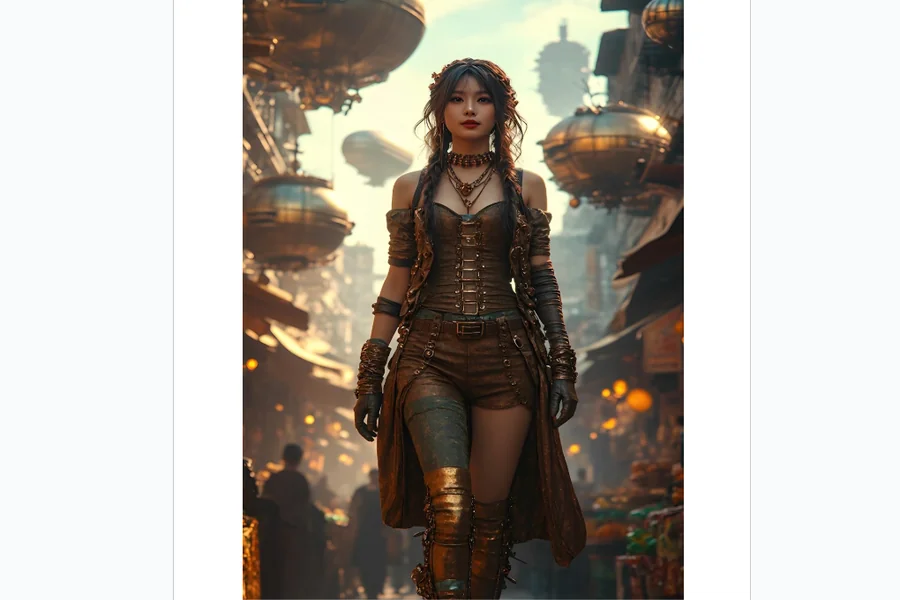
When comparing AI photo generators to traditional photography methods, the financial advantages become immediately apparent. A professional photo shoot typically costs between $1,500-$5,000 per day, including photographer fees, equipment, studio rental, and post-production work. In contrast, AI image generation platforms offer monthly subscriptions ranging from $20-200, providing unlimited image creation capabilities. This represents a potential cost reduction of up to 95% for businesses requiring regular visual content updates. The time efficiency factor is equally compelling – while traditional shoots require weeks of planning, execution, and editing, platforms like Kling AI can generate professional-quality images in minutes. This rapid turnaround enables businesses to respond quickly to market trends and seasonal campaigns. A recent case study of a small e-commerce business demonstrated how switching to AI-generated product lifestyle images reduced their content creation costs by 80% while increasing their marketing asset library tenfold. The customization capabilities of AI generators allow businesses to maintain consistent brand aesthetics across all channels, something previously achievable only through expensive brand photography packages. For companies specifically seeking the best ai headshot generator, these platforms provide realistic, professional headshots without the need for studio setups or photographers. The ROI impact is substantial – businesses using AI-generated images for their marketing campaigns reported a 35% increase in engagement rates while reducing their visual content budget by 60%. This combination of cost savings, time efficiency, and customization flexibility makes AI generators an increasingly attractive option for businesses of all sizes seeking professional-quality visual content.
Step-by-Step Guide: Creating Brand-Aligned Images
Defining Visual Requirements
Begin by conducting a thorough brand asset audit, documenting existing visual elements like logos, typography, and key imagery. Create a comprehensive style guide that outlines your brand’s color palette, preferred image compositions, and overall aesthetic direction. Develop detailed mood boards incorporating successful competitor visuals and aspirational brand references to establish clear visual targets.
Tool Selection Criteria
Evaluate AI platforms based on their commercial licensing terms, ensuring full rights for business usage. Look for tools offering industry-specific templates and features that maintain consistent brand elements across generated images. Consider platforms with advanced style transfer capabilities and batch processing options for efficient content creation.
Prompt Engineering Techniques
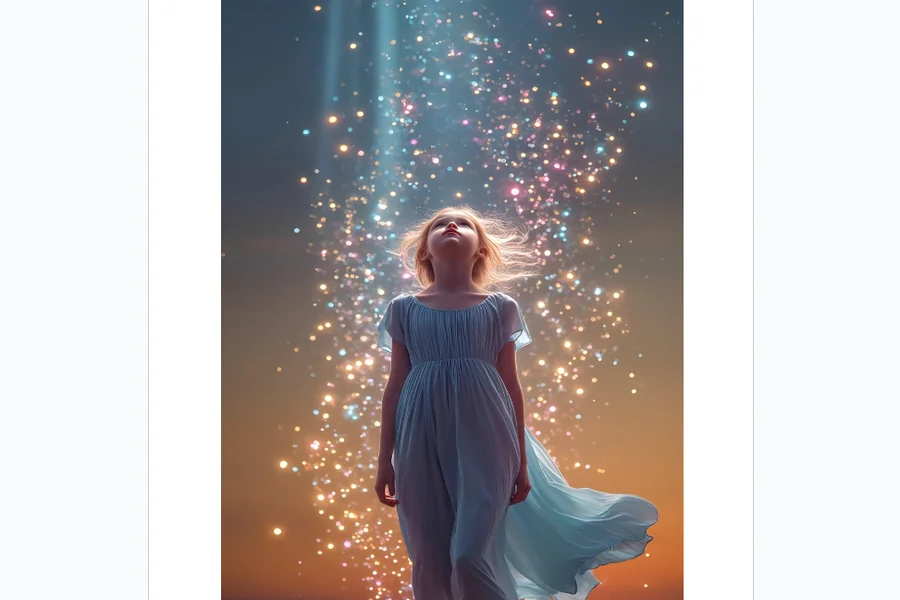
Craft detailed prompts using specific descriptors for lighting, composition, and mood. Incorporate industry-relevant terminology and style references to achieve professional results. Structure prompts with primary subject matter first, followed by artistic direction and technical specifications. Include brand-specific elements like color codes and compositional preferences for consistent outputs.
Refinement Workflow
Implement a systematic approach to image refinement, starting with broad concepts and iteratively refining details. Use resolution upscaling tools to enhance image quality for various applications. Develop a post-processing workflow that includes brand element integration, ensuring logos and product placement appear natural and professional. Establish quality control checkpoints to verify brand alignment and technical specifications before finalizing images.
Implementation Strategies for Maximum Impact
Transforming AI-generated images into effective marketing assets requires strategic implementation across multiple channels. For website and banner adaptations, establish standardized dimensions and compression protocols that maintain image quality while optimizing load times. Create responsive image sets that automatically adjust for different screen sizes, ensuring consistent brand presentation across devices. When developing social media content calendars, batch-generate themed image sets aligned with upcoming campaigns and seasonal promotions. Schedule these visuals strategically during peak engagement hours, using platform-specific aspect ratios for optimal display. For print materials, implement quality control checks focusing on color accuracy and resolution requirements, with separate export settings for digital and physical applications. Conduct regular A/B testing by creating multiple image variations for key marketing materials, tracking metrics like click-through rates, engagement levels, and conversion data. Use these insights to refine your AI prompts and visual strategies, creating an iterative improvement cycle that continuously enhances marketing performance.
Transforming Visual Content Creation with AI Technology
The emergence of AI photo generators has fundamentally transformed how small businesses approach visual content creation. By dramatically reducing costs while maintaining professional quality, these tools eliminate the historical barriers between budget constraints and compelling brand imagery. The ability to generate custom, on-brand visuals in minutes rather than weeks empowers businesses to maintain consistent, high-quality visual communication across all channels. As AI technology continues to evolve, we can expect even more sophisticated capabilities, further democratizing access to professional-grade imagery. To harness these benefits, businesses should start by auditing their current visual assets, selecting an AI platform aligned with their needs, and developing a systematic approach to prompt engineering and quality control. Whether you’re refreshing your website, launching social media campaigns, or creating print materials, AI photo generators offer a practical, scalable solution for maintaining visual excellence without compromising financial resources. The future of visual content creation is here – and it’s more accessible than ever.