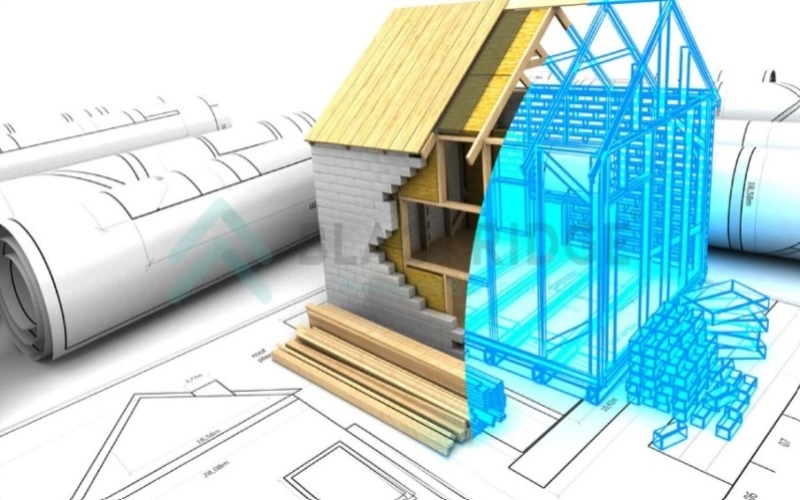
The construction industry is rapidly evolving with the adoption of advanced digital technologies, and Building Information Modeling (BIM) is at the forefront of this transformation. BIM enhances project planning, design, and execution by creating a digital representation of a building’s physical and functional characteristics. It also integrates key processes such as Construction Estimating Services and Construction Takeoff Services, ensuring accurate cost forecasting and material quantification for efficient project management.
Building Information Modeling (BIM) is revolutionizing the construction industry by enhancing collaboration, reducing errors, and improving project outcomes. As the demand for efficient and sustainable building solutions grows, BIM’s role becomes even more critical. This is particularly evident in the rising popularity of accessory dwelling units (ADUs), which require precise planning and execution. By leveraging BIM, architects and builders can streamline the design and construction process of ADUs, ensuring compliance with local regulations and optimizing space utilization. For those looking to embark on such projects, it is essential to find accessory dwelling unit builders near me who are adept at using BIM technology to deliver high-quality results. This integration of advanced modeling techniques with practical construction needs underscores the transformative impact of BIM in modern architecture.
Building Information Modeling (BIM) has revolutionized the construction industry by enhancing collaboration and efficiency. It allows for detailed visualization and simulation of projects, reducing errors and improving project outcomes. As the industry continues to evolve, local expertise becomes invaluable. For instance, Bruce Johnson Construction are your local excavating contractors, offering specialized services that integrate seamlessly with BIM processes. Their expertise ensures that foundational work aligns perfectly with the digital models, facilitating smoother transitions from design to execution. This integration of local knowledge with advanced technology exemplifies how BIM not only transforms construction practices but also elevates the quality and precision of projects, ultimately leading to more successful and sustainable developments.
Understanding Building Information Modeling (BIM)
BIM is a digital methodology that enables architects, engineers, and contractors to collaborate more effectively throughout a project’s lifecycle. It provides a 3D model-based process that improves decision-making and coordination, reducing errors and project delays.
Key Features of BIM
- 3D Visualization – Offers realistic design representations for better project planning.
- Data Integration – Connects various project aspects, including materials, costs, and scheduling.
- Collaboration & Coordination – Enables real-time sharing of project data among stakeholders.
- Clash Detection – Identifies design conflicts early, reducing costly rework.
- Lifecycle Management – Supports projects from initial design to maintenance and facility management.
The Role of BIM in Construction
1. Improved Project Efficiency
BIM streamlines the design and construction processes by allowing teams to work with a single source of truth. This reduces miscommunication and ensures all stakeholders are aligned on project details.
2. Cost Estimation & Takeoff Accuracy
By integrating Construction Estimating Services and Construction Takeoff Services, BIM enhances the accuracy of cost estimation and material quantification. This reduces financial risks, prevents over-ordering, and improves budget management.
3. Risk Reduction & Error Minimization
BIM identifies potential issues in the early design phase, helping to prevent costly errors. Automated clash detection ensures that different building systems, such as electrical, plumbing, and HVAC, do not interfere with one another.
4. Sustainability & Energy Efficiency
With BIM, architects and engineers can analyze the environmental impact of materials and designs, optimizing energy efficiency and sustainability. It helps in making informed decisions about green building practices.
5. Facility Management & Maintenance
Beyond construction, BIM plays a significant role in facility management by providing digital records of a building’s components and systems. This aids in maintenance, renovations, and future upgrades.
Choosing the Right BIM Solution
When selecting a BIM platform, consider:
- Scalability & Compatibility – Ensure the software integrates with existing tools.
- User-Friendliness – Choose a solution that is accessible for all stakeholders.
- Industry Standards Compliance – Look for software that meets global BIM standards.
Conclusion
BIM is revolutionizing the construction industry by enhancing collaboration, accuracy, and efficiency. By incorporating Construction Estimating Services and Construction Takeoff Services, it ensures precise cost control and material management. As the industry continues to adopt BIM, professionals can expect improved project outcomes, reduced risks, and enhanced sustainability in future construction projects.