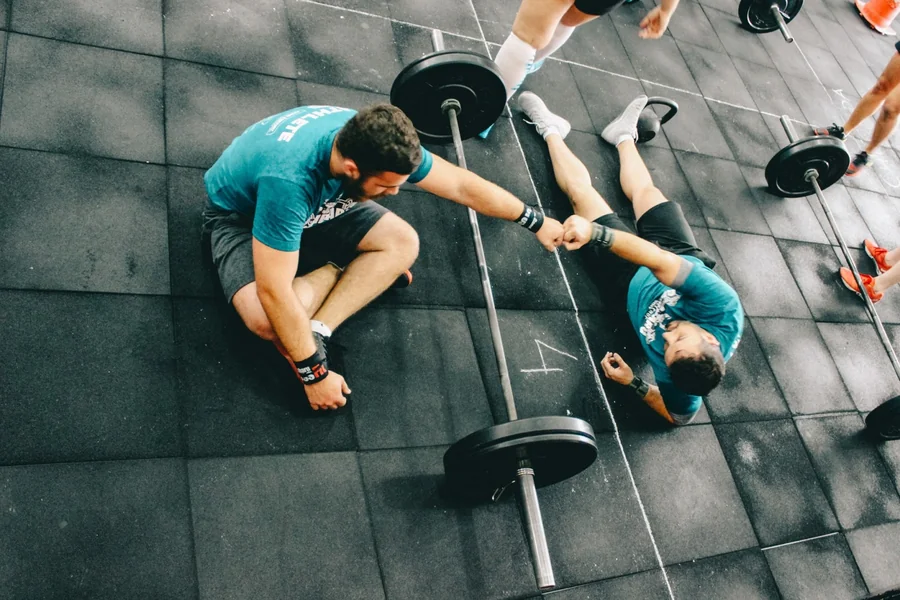
Embarking on your first training session can be both exciting and daunting. Whether you’re preparing for a fitness class, a professional development workshop, or a first aid course, being well-prepared can significantly enhance your experience and outcomes. Understanding what to expect and how to prepare can help alleviate any anxiety and ensure you gain the most from the session. From setting clear goals to gathering the necessary materials, each step plays a crucial role in your success. This guide will provide you with practical tips and insights to help you make the most of your first training session.
Key Steps for Effective Preparation
Setting Clear Goals
Before attending your first training session, it’s essential to set clear and achievable goals. Knowing what you want to accomplish will help you stay focused and motivated throughout the session. Start by identifying the skills or knowledge you wish to gain. Consider why you signed up for the training and what you hope to achieve by the end. Having a clear purpose will not only guide your learning but also help you measure your progress. Additionally, setting specific goals allows you to communicate your expectations to the trainer, who can then tailor the session to better meet your needs. Remember, the more precise your goals, the easier it will be to track your success and make necessary adjustments along the way.
Gathering Necessary Materials
Preparation involves more than just mental readiness; it also requires having the right materials on hand. Depending on the type of training, you may need specific equipment, attire, or documents. For instance, if you’re attending a fitness class, ensure you have appropriate workout gear and a water bottle. For a professional workshop, bring a notebook, pen, and any required documents. If you’re attending a first aid course, like those offered at [C2C First Aid Aquatics](https://www.c2cfirstaidaquatics.com/edmonton-first-aid-cpr-aed-training/), you might need to bring identification or proof of registration. Being well-prepared with the necessary materials will help you feel more confident and ready to engage fully in the session. Click here to ensure you have everything you need for a successful training experience.
Understanding the Training Format
Familiarizing yourself with the training format can significantly enhance your readiness. Different sessions may have varying structures, such as lectures, hands-on activities, or group discussions. Knowing what to expect will help you mentally prepare and adjust your learning strategies accordingly. If the session involves interactive components, be ready to participate actively and collaborate with others. For sessions that are more lecture-based, focus on taking detailed notes and asking questions to clarify any doubts. Understanding the format also allows you to manage your time effectively, ensuring you can engage with all aspects of the training without feeling overwhelmed.
Short Paragraph on Mental Preparation
Mental preparation is just as important as physical readiness. Take some time to relax and clear your mind before the session. Practice deep breathing or meditation to reduce any anxiety. Visualize yourself successfully participating and achieving your goals. A positive mindset can greatly influence your learning experience.
Engaging with the Trainer and Peers
Building a rapport with the trainer and fellow participants can enrich your training experience. Don’t hesitate to introduce yourself and express your enthusiasm for the session. Engaging with others creates a supportive learning environment and opens up opportunities for networking and collaboration. During the session, actively participate by asking questions and sharing your insights. This interaction not only enhances your understanding but also contributes to a dynamic and engaging atmosphere. Remember, the trainer is there to guide you, so take advantage of their knowledge and experience. Similarly, learning from your peers can provide diverse perspectives and insights that you might not have considered.
Reflecting on Your Experience
After the training session, take time to reflect on your experience. Consider what you learned, how it aligns with your initial goals, and any areas where you can improve. Reflecting helps consolidate your learning and identify any gaps in your understanding. It also allows you to celebrate your achievements and recognize the progress you’ve made. If you encountered challenges, think about how you can address them in future sessions. Reflection is a powerful tool for personal growth and continuous improvement, ensuring that each training session builds upon the last.
Conclusion
Preparing for your first training session involves a combination of setting clear goals, gathering necessary materials, understanding the training format, and engaging with the trainer and peers. By taking these steps, you can ensure a productive and rewarding experience. Remember to reflect on your learning and use it as a foundation for future growth. With the right preparation and mindset, you can maximize the benefits of your training and achieve your desired outcomes. Whether it’s a fitness class, a professional workshop, or a first aid course, being well-prepared will help you make the most of your training journey.