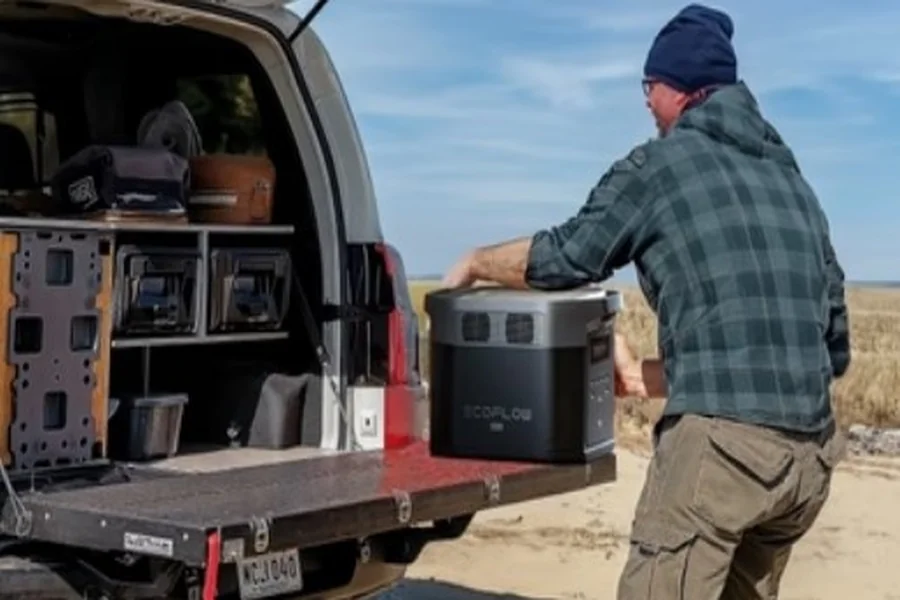
Portable dual battery systems are essential for camping adventures, 4wd expeditions, and emergency power scenarios. These systems offer reliable energy solutions, ensuring that all devices remain charged, from smartphones to mini-fridges. When selecting the ideal system, it’s important to evaluate key features such as battery capacity, port variety, recharging options, and build quality. Understanding these elements will help maximize the system’s efficiency and meet specific power needs. Whether you’re navigating through rugged terrains or setting up camp in the wilderness, a robust dual battery system enhances convenience and safety. This guide will delve into the pivotal aspects you should consider, helping you make an informed and practical choice for your next purchase.
Battery Capacity and Power Output
Understanding Watt-Hours and Amperage
Battery capacity is indicated in watt-hours (Wh), revealing how much energy the battery can store. Amperage specifies current flow, essential for powering devices. When examining portable dual battery systems, a higher watt-hour rating generally signifies longer usage between charges. It’s crucial to ensure that the system can deliver sufficient amperage to start engines or power heavy gear efficiently. For example, a battery system with 500Wh capacity and 40 amps can run a series of camping appliances overnight. By understanding these metrics, users can match battery capacity with their power consumption needs, ensuring gadgets stay operational, minimizing downtime.
Matching Output to Your Power Demands
Key consideration involves matching the system’s power output to specific consumer requirements. Assess what devices will be charged simultaneously and their energy draw. For instance, a laptop might require 60 watts while a portable refrigerator may need 100 watts. Balancing these needs against battery output helps maintain optimal performance. For high-demand scenarios, choose a system with a larger output capacity to prevent overloading. This ensures smooth functionality across devices, sustaining your gadgets during camping trips or emergencies. Tailored output guarantees reliability, fostering peace of mind in power-critical situations.
Managing Power for Multiple Devices
Today’s gadgets demand a range of power outputs. Portable dual battery systems cater to this by providing multiple outlets. Efficient power management ensures all devices operate seamlessly without draining the battery prematurely. If charging a smartphone, camera, and drone concurrently, ensure that the system can handle the cumulative energy needs. Options with intelligent power distribution efficiently allocate energy to maintain device operations. Prioritize models with features like load management to avoid power shortages. Effective power handling across devices enhances user experience and operational continuity.
Port Variety and Compatibility
AC, DC, USB-A, and USB-C Options
A comprehensive port selection maximizes compatibility with numerous devices. Look for systems including AC, DC, USB-A, and the increasingly popular USB-C ports. AC outlets facilitate conventional appliance charging, while DC outputs cater to direct currents used in automotive applications. USB-A is standard for smartphones, whereas USB-C supports fast charging and modern devices like newer laptops. These versatile options ensure connectivity across diverse gadgets, providing a one-stop solution for charging needs. Compatibility with various ports extends usability, accommodating evolving technological landscapes.
Fast Charging and High-Wattage Support
Fast charging capability is vital for minimizing downtime. Seek systems that support high-watt charging capability, enabling swift energy replenishment for devices. Fast charging features expedite power restoration, allowing users to resume activities promptly. For example, a 60W USB-C port can significantly cut down laptop charging time compared to standard options. High-wattage support effectively energizes power-intensive hardware, maintaining operational momentum. Incorporating such technologies in battery systems ensures efficient power management and reduced charging backlog.
Charging Multiple Devices Simultaneously
Modern systems must accommodate simultaneous device charging without sacrificing speed or power efficiency. Look for configurations with multiple outputs and adequate watt distribution to sustain concurrent operations. Effective multi-device charging optimizes workflow, eliminating bottlenecks. Users can power a suite of gadgets—tablets, cameras, smartphones, ensuring continuous functionality throughout their adventure or emergency. Ensure the systems prevent overloads, promoting sustainability across all charging points. Streamlined charging processes contribute to a worry-free user experience, enhancing preparedness in diverse situations.
Recharging Options and Efficiency
AC Wall Charging and Car Input
Flexibility in charging methods is crucial for uninterrupted use. Systems with AC wall chargers offer convenience for home or grid connections. Coupled with car charging inputs, users can recharge during travel. For instance, integrated cigarette lighter inputs provide in-car recharging, capturing automotive energy for sustained battery power. Evaluate systems offering dual charging options, bridging domestic and vehicular energy sources. These approaches ensure users benefit from a versatile recharge regime, maintaining battery readiness in various scenarios, including road trips and campsite setups.
Solar Charging Capability and MPPT
Solar charging is increasingly prevalent, supporting off-grid and sustainable energy needs. Look for systems compatible with solar panels and equipped with Maximum Power Point Tracking (MPPT). MPPT optimizes solar collection efficiency, maximizing power conversion. Systems featuring solar capabilities are ideal for extended trips, fostering environmental consciousness by reducing dependency on fossil fuels. These options ensure users have continuous access to renewable energy, enhancing battery refill during sunny conditions. Embracing solar charging crystallizes eco-friendly and reliable energy management.
Charge Time and Battery Management Systems
Quick charge times are foundational for maintaining device readiness. Examine systems for charge time efficiency, ensuring rapid battery restoration. Efficient Battery Management Systems (BMS) prevent overcharging, safeguarding battery longevity. BMS technology regulates energy flow, preserving system health and optimizing charge cycles. Seek systems that balance charging speed with sustainability, enabling users to maximize uptime. For busy adventurers, quick charge capabilities coupled with robust management systems provide peace of mind, ensuring uninterrupted power supply when most needed.
Build Quality and Portability
Weight, Handle Design, and Size
Portability dictates practicality in various environments. Consider systems with manageable weight and ergonomic handle design for effortless mobility. Compact size enhances transport ease, crucial for outdoor ventures. Evaluate how system dimensions fit into transport vehicles and camp setups. When moving across terrains, lightweight and well-designed systems facilitate easy handling, reducing user strain. Prioritize configurations that balance power capacity with compact build—a combination key for smooth power solutions during active engagements.

Durability for Off-Road and Outdoor Use
The durability of a battery system is paramount for adventurous users. Ensure constructions are rugged, capable of withstanding off-road conditions, and outdoor exposure. Quality materials extend longevity and functionality in challenging environments. Systems tested against vibrations and physical impacts showcase resilience, bolstering reliability. When navigating through tough terrains, durable systems affirm operational continuity, minimizing the risk of device failure. Investing in high-quality builds ensures user safety and sustainability, central to gratifying and secure outdoor experiences.
Weather Resistance and Safety Features
Weather resistance features are crucial when encountering diverse climates. IP-rated systems for water and dust resistance assure continued performance. Safety features such as short-circuit and overload protection safeguard user equipment and system integrity. Verify systems handling adverse weather conditions to maintain operational capacity. A model with robust weatherproofing provides versatility and reliability, essential for camping or 4WD scenarios. Incorporating safety elements embeds peace of mind, ensuring users remain protected while enjoying power solutions in varied settings.
Conclusion
Investing in a portable dual battery system enhances the outdoor experience by offering reliable power solutions tailored to individual needs. By considering battery capacity, port compatibility, recharging efficiency, and build quality, users optimize device functionality while minimizing downtime. These systems serve diverse purposes, from emergency power supply to smooth camping operations, facilitating seamless energy access. Choose theeditorialge quality systems for durability and practicality, empowering adventurous pursuits and ensuring safety. With these insightful features in mind, selecting the perfect dual battery system for specific applications becomes straightforward, promoting readiness and enjoyment in power-dependent endeavors.