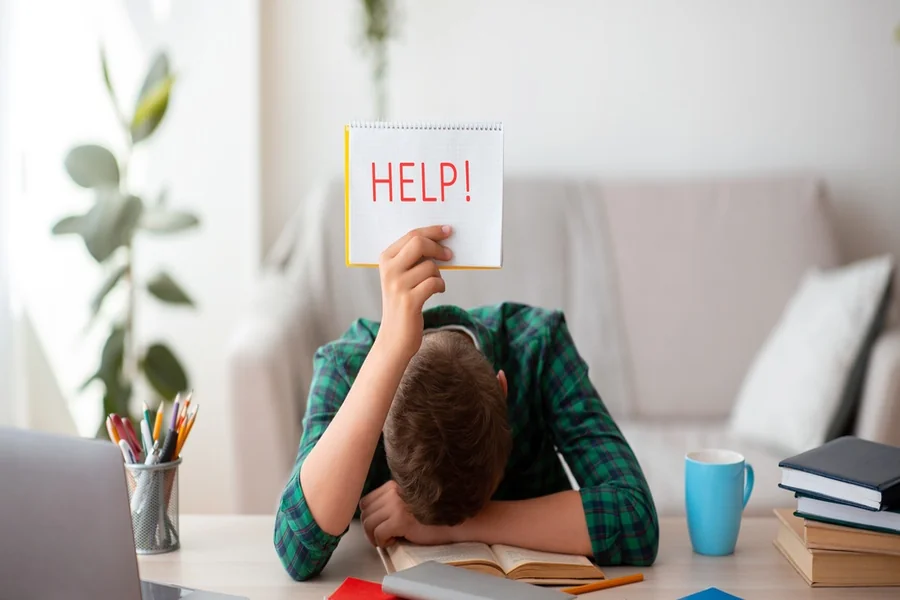
Adolescence is a time of tremendous growth, exploration, and change—but it can also be stressful. As teenagers navigate school pressures, social challenges, and the journey toward independence, stress can build quietly, often going unnoticed. Are you aware of the signs that your teen might be struggling? Do you know how to provide support without overstepping boundaries? Understanding stress in teenagers is crucial for helping them develop resilience and emotional well-being.
Understanding Teenage Stress
Teenagers face stressors that are unique to their stage of life. Academic expectations, peer pressure, family dynamics, social media influences, and even uncertainty about the future can all contribute. While stress is a normal part of life, chronic or intense stress can affect a teen’s mental and physical health. Recognizing the early signs can prevent issues from escalating into anxiety, depression, or behavioral problems.
Stress can manifest differently in each teen. Some may internalize it, appearing withdrawn or sad, while others may externalize stress through irritability, aggression, or risk-taking behaviors. Parents, guardians, and caregivers play a vital role in identifying these signs early and offering support.
Behavioral Changes to Watch For
One of the clearest indicators of stress in teenagers is a noticeable change in behavior. Are they suddenly avoiding social situations they used to enjoy? Have their sleep or eating habits shifted dramatically? Common behavioral signs include:
- Withdrawal from friends and family: Teens might isolate themselves, avoiding conversations or social activities.
- Changes in academic performance: Stress can make it difficult to concentrate, leading to declining grades or missing deadlines.
- Mood swings or irritability: Frequent outbursts, impatience, or frustration may indicate emotional overload.
- Risky behaviors: Substance use, reckless driving, or other unsafe activities can sometimes be a coping mechanism for stress.
Noticing these changes early allows adults to intervene and provide the right support, whether it’s through conversation, counseling, or practical adjustments in their environment.
Physical Signs of Stress
Stress often has physical manifestations that can easily be mistaken for other health issues. Common physical signs include:
- Headaches and stomachaches: Tension and anxiety often trigger these common complaints.
- Fatigue: Teens under stress may struggle to get restful sleep, leaving them constantly tired.
- Changes in appetite or weight: Stress can either suppress or increase appetite.
- Frequent illnesses: Chronic stress weakens the immune system, making teens more susceptible to colds or other illnesses.
Observing these physical signs in combination with behavioral changes can give a clearer picture of the level of stress your teen may be experiencing.
Emotional Indicators
Emotional signs are sometimes the most subtle and hardest to recognize. Teens may not always be able to articulate how they feel, so it’s important to notice patterns in their emotions. Signs include:
- Persistent sadness or anxiety: A teen who seems consistently down or worried may be struggling to manage stress.
- Irritability or anger: Heightened sensitivity or frustration can be an outlet for underlying stress.
- Loss of motivation or interest: Activities that once brought joy may no longer engage them.
- Low self-esteem or negative self-talk: Stress can erode confidence and encourage self-criticism.
Emotional support from parents, teachers, and peers can help teens navigate these feelings and develop healthy coping strategies.
How Parents and Guardians Can Help
Supporting a stressed teenager requires a combination of understanding, patience, and practical strategies. Here are some ways to help:
1. Foster Open Communication
Create a safe environment where your teen feels comfortable sharing their thoughts and feelings. Ask open-ended questions such as, “How was your day?” or “What’s been on your mind lately?” Avoid judgment or immediate solutions—sometimes listening is the most valuable support.
2. Encourage Healthy Routines
Routine can provide stability for stressed teens. Encourage regular sleep schedules, balanced meals, and physical activity. Even small habits, like using hand soap refills in the bathroom to maintain hygiene or keeping a clean personal space, can give teens a sense of control and calm. Additionally, supporting them in choosing age-appropriate self-care items, such as Bleuet products for their first bras or skincare, can boost confidence and promote self-care habits.
3. Teach Stress-Management Techniques
Introduce coping mechanisms such as deep breathing exercises, journaling, mindfulness, or creative outlets like drawing or music. Teens can also benefit from learning time management skills to balance school, extracurricular activities, and social life effectively.
4. Promote Social Support
Peer and family connections are essential for emotional well-being. Encourage your teen to spend time with trusted friends, siblings, or supportive adults. Group activities, team sports, or community projects can also help reduce stress and boost confidence.
5. Monitor Digital Use
Social media and technology can amplify stress. Encourage mindful screen time, and talk openly about online pressures and the impact of comparison. Setting boundaries for phone or device use, especially before bedtime, can improve both sleep and mood.
6. Seek Professional Help When Needed
If stress becomes overwhelming, persistent, or starts affecting daily life, consulting a mental health professional can be invaluable. Therapists, school counselors, and psychologists specialize in adolescent stress and can provide coping strategies tailored to your teen’s needs.
Recognizing Resilience
While identifying signs of stress is crucial, it’s equally important to acknowledge resilience. Teens often develop coping skills through challenges, learning problem-solving, self-advocacy, and emotional regulation. Positive reinforcement, encouragement, and celebrating small achievements can strengthen resilience and self-confidence.
Conclusion
Recognizing stress in teenagers is not always straightforward, but attentive observation, supportive communication, and practical interventions can make a significant difference. By understanding behavioral, physical, and emotional signs, parents and guardians can offer guidance without overwhelming their teens. Encouraging healthy routines, fostering open communication, promoting social support, and knowing when to seek professional help are key strategies in helping teens navigate stress.
Ultimately, helping teens manage stress is about empowering them to understand their emotions, develop healthy coping mechanisms, and build resilience. With the right support, teenagers can learn to face challenges confidently and grow into emotionally balanced young adults.