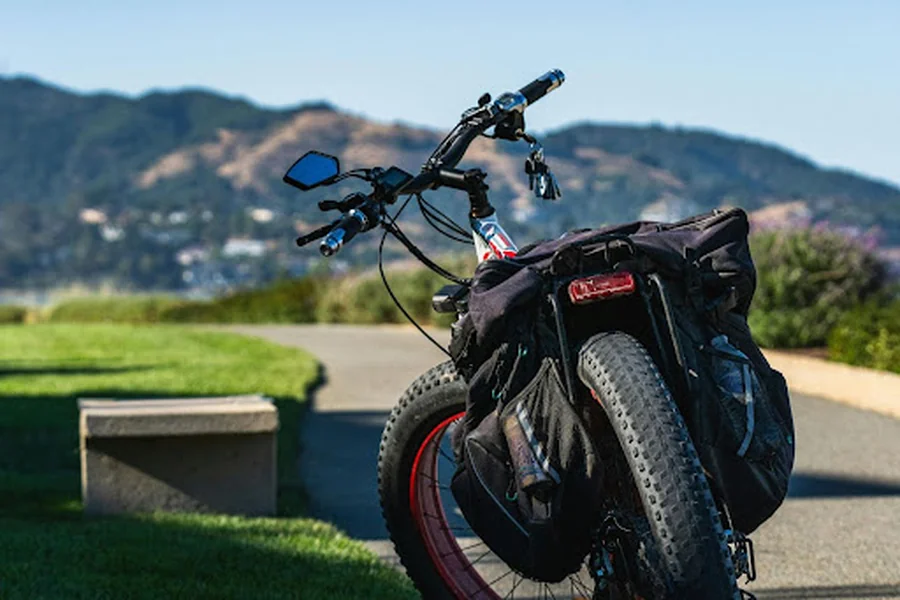
Let’s be honest—traditional mountain biking can be brutal on your body. Your legs give out before your spirit does, and those bucket-list backcountry routes? They stay frustratingly beyond reach. But something’s shifting in a big way. Electric mountain bikes have stormed onto the scene, and the numbers tell a compelling story: in 2023, 19.4% of Americans who cycled at least once used an e-bike, jumping from just 7.8% in 2021.
That’s not incremental growth—that’s explosive adoption. Here’s what matters to you: these machines aren’t killing the soul of mountain biking. They’re unlocking it, giving you access to longer expeditions and meaner inclines while keeping the adrenaline rush intact.
The Technology Advantage Behind Specialized’s Dominance
Why do some brands dominate while others fade into the background noise? The answer’s underneath the surface—buried in the engineering DNA. Specialized poured resources into building proprietary systems that function as a cohesive unit, not a collection of mismatched parts.
Turbo Full Power Motor Systems That Actually Deliver
Power alone means nothing if it hits you like a sledgehammer when you’re threading through rock gardens. Responsiveness separates the good from the exceptional. Riders who commit to specialized e mountain bikes find motors that read pedal input like they’re telepathic. Torque arrives smoothly, without that lurching unpredictability that ruins technical sections.
We’re talking 90Nm of torque in the premium models—enough muscle to demolish 20% grades without your thighs screaming for mercy. The Mission Control app adds another layer, letting you dial in power curves that match your personal riding signature. Try finding that in entry-level e-MTB offerings.
Battery Systems Built for All-Day Adventures
Nothing murders the adventure spirit faster than range anxiety. You can’t truly explore when you’re constantly calculating remaining juice. Specialized attacked this problem with 700Wh and 900Wh battery configurations. Real riders in actual conditions consistently report 50+ mile ranges across diverse terrain. Temperature swings don’t cripple performance the way they do with bargain-bin systems. The Battery Management System doesn’t just dump power—it balances individual cells intelligently, pushing lifespan well past the standard 500-cycle benchmark. Fast-charging delivers 0-80% capacity in roughly 3.5 hours, so you’re not burning half your day waiting by an outlet.
Smart Integration That Makes Sense
Technology should work for you, not against you. The MasterMind Turbo Connect Unit consolidates ride metrics, navigation, and diagnostics into one coherent display. ANT+ and Bluetooth connectivity mean seamless pairing with fitness trackers and smartphones—no wrestling with incompatible protocols. Over-the-air firmware updates arrive automatically, keeping your bike fresh without scheduling dealer appointments. It’s the kind of intelligent design you appreciate after you’ve logged serious trail time.
Why Serious Riders Choose Specialized Models
There’s a reason these bikes flood trailhead parking lots from Whistler to Southern California. Real-world performance crushes marketing hype every time.
Trail Performance That Handles Reality
Electric mountain bike trail riding isn’t about manicured pump tracks—it’s confronting technical descents, root-choked climbs, and whatever chaos the wilderness throws your direction. The Turbo Levo lineup provides 150mm of travel that devours rough terrain without feeling mushy or vague. Weight distribution keeps your front wheel planted during brutal climbs where competing e-MTBs start weaving unpredictably. High-speed descents pushing 30+ mph feel composed, not terrifying. Four-piston brakes deliver stopping authority that matches the amplified speeds and added mass.
Build Quality You Can Actually Feel
Carbon frame construction delivers measurable advantages beyond weight savings. FACT carbon technology achieves strength-to-weight ratios, allowing specialized electric trail bikes to survive aggressive trail abuse that would shatter inferior designs. Impact resistance testing proves these frames endure punishment that cracks lesser carbon layups.
Internal cable routing serves a function beyond aesthetics—it shields electrical connections from mud, water, and debris that cause catastrophic mid-ride failures. PeopleForBikes helped open 17,686 new miles of trails to Class 1 eMTBs across the United States in 2025, the biggest single-year expansion to date. That unprecedented access expansion means more cyclists discovering what premium construction enables.
Range That Matches Your Ambition
Battery spec sheets only reveal part of the picture. What you really care about is elevation gain versus energy consumption on actual trails, not flat test tracks. Specialized’s intelligent power management senses terrain dynamically, adjusting assistance to stretch range beyond what static power modes achieve. The 160Wh and 320Wh range extenders integrate cleanly without destroying bike balance. Suddenly, multi-day bikepacking transitions from Instagram fantasy to legitimate reality.
The Future Landscape of Electric Mountain Biking
Innovation never sleeps. What’s brewing in development labs will fundamentally alter trail riding as we know it.
Emerging Technologies in Development
Regenerative braking systems are shifting from concept to production reality. Early field testing reveals potential battery life extensions of 10-15% on descent-dominated rides. AI-powered terrain recognition could automatically modulate power delivery based on trail conditions detected through integrated sensors.
Picture this: your bike recognizes an approaching technical rock garden and shifts to more controlled power output without you touching a single control. Modular motor systems might enable riders to upgrade power units without replacing entire bikes, addressing sustainability concerns while protecting their investment.
Trail Access Continues Expanding
Regulations are finally catching up with technology. Class 1 e-MTBs (pedal-assist exclusively, no throttle, 20 mph ceiling) are winning acceptance across state and federal lands.
Success stories from pioneering trail systems prove e-MTBs don’t accelerate erosion when riders practice proper trail etiquette. Advocacy groups are collaborating with land managers to build policies grounded in data rather than assumptions. Private trail networks and purpose-built e-MTB parks are emerging, complete with charging infrastructure at trailheads.
Sustainability Becomes Central
The future of electric mountain bikes connects directly to environmental stewardship. Lifecycle emissions analysis demonstrates e-MTBs dramatically slash carbon footprints compared to driving vehicles to trailheads. Specialized’s battery recycling programs guarantee responsible end-of-life management. Second-life battery applications repurpose older packs for home energy storage. Material recovery programs are hitting 85%+ recycling rates on critical components.
Making the Right Choice for Your Riding
Expanding options creates decision paralysis. Here’s what genuinely matters when selecting your setup.
Matching Models to Your Reality
The Turbo Levo handles all-mountain versatility—it’s your Swiss Army knife for tackling varied terrain. Gravity-focused riders should examine the Kenevo’s 180mm travel and downhill-oriented geometry instead. Weekend warriors prioritizing weight savings need to consider the Levo SL, which slides in under 20kg. Don’t purchase based purely on specification sheets—your local terrain and personal fitness level outweigh feature checklists.
Canadian Riders Face Unique Considerations
Weather extremes demand bulletproof systems. Cold-weather battery performance separates quality e-MTBs from disappointments that leave you stranded. Trail seasons run shorter, making durability and minimal maintenance absolute priorities. Canadian retailers like StreetRides.ca grasp these regional demands, stocking models battle-tested in harsh conditions. Warranty service and parts availability become crucial when you can’t simply ride to the manufacturer’s headquarters.
Understanding the Investment
The best e mountain bikes for trails start around $5,000 and escalate past $14,000 for flagship builds. That’s substantial capital, but examine total ownership costs carefully. Component quality directly impacts replacement intervals—cheap drivetrains wear rapidly under e-MTB torque.
Resale values remain robust on Specialized models compared to obscure brands. Extended warranties on motors and batteries provide peace of mind, justifying premium pricing.
Common Questions About Specialized E-MTBs
1. Can these bikes handle extreme weather without issues?
Absolutely. IP67-rated components manage rain, snow, and temperature extremes reliably. Regular seal maintenance extends protection in punishing conditions.
2. What’s the real-world battery replacement timeline?
Anticipate 4-6 years before capacity drops noticeably. Replacement costs run $600-900, depending on capacity, with labor adding $100-200.
3. Are they allowed on my local trails?
Class 1 e-MTBs (pedal-assist, 20 mph) are gaining widespread acceptance. Verify local regulations—access varies by land management agency and jurisdiction.
Final Thoughts on Electric Trail Riding’s Direction
The revolution unfolding in mountain biking transcends motors and batteries. It’s fundamentally about democratizing access—welcoming more riders to backcountry trails historically reserved for elite athletes. Specialized’s technology leadership manifests in real-world performance, not just impressive specification sheets.
As trail access expands and technology advances, e-MTBs will become standard equipment rather than novelty items. Whether you’re rehabilitating from injury, keeping pace with faster riding partners, or simply extending your riding career, these machines unlock experiences traditional mountain bikes simply cannot deliver. The future isn’t coming—it’s already carving up the trails.