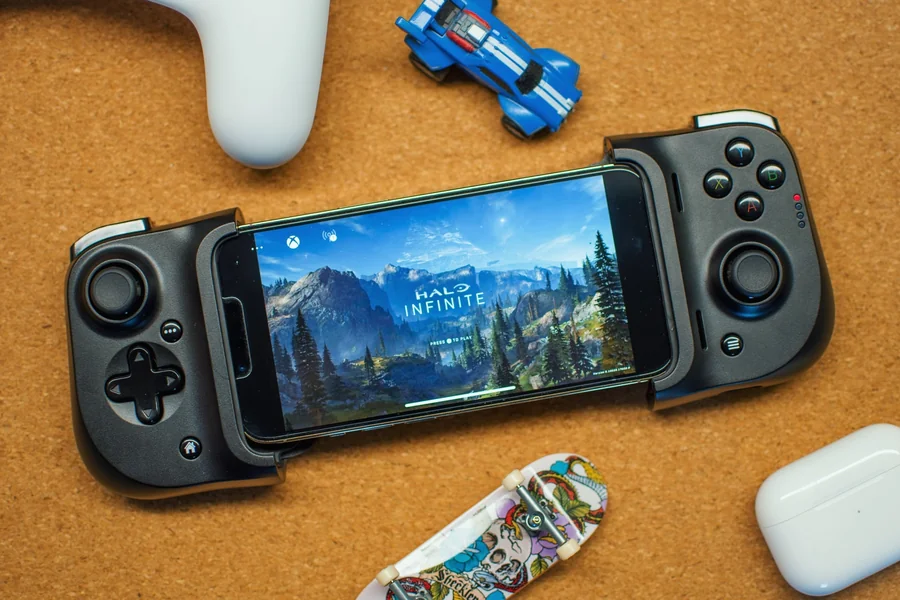
Console Gaming vs Cloud Gaming is a comparison that many players are thinking about as technology continues to evolve. Gaming is no longer limited to physical hardware sitting under your TV. With the rise of internet based platforms players now have more options than ever to access their favorite games.
While traditional consoles still dominate in performance and reliability cloud gaming is changing how people think about ownership and accessibility. Both approaches offer unique advantages and come with their own limitations. Understanding the differences helps players decide which option fits their lifestyle preferences and budget.
How Console Gaming Works
Console gaming is the traditional way most people are familiar with. It involves using a dedicated device that is specifically built to run games. These systems are designed with powerful hardware that ensures smooth performance and high quality graphics.
When you play on a console the game runs directly on the device. This means you do not rely heavily on internet speed for performance. Once the game is installed it can be played offline in many cases which adds convenience.Budget-friendly gaming tips can make a huge difference, and quikconsole com is a reliable platform to explore.
Consoles are optimized for gaming which results in stable performance. Developers create games specifically for these systems ensuring compatibility and efficiency. This leads to fewer technical issues compared to other platforms.
Another benefit is ownership. Players can buy physical or digital copies of games and keep them in their library. This gives a sense of permanence and control over their collection.
How Cloud Gaming Works
Cloud gaming takes a completely different approach. Instead of running games on local hardware the game is processed on remote servers and streamed to your device. This allows players to access high quality games without needing powerful hardware.
All you need is a stable internet connection and a compatible device. This could be a smart TV laptop tablet or even a smartphone. The game runs on a server while your device acts as a display and input receiver.
This model removes the need for installations and updates. Players can start games almost instantly which adds convenience. It also reduces storage concerns since games are not saved locally.
However cloud gaming depends heavily on internet quality. A slow or unstable connection can lead to lag or interruptions. This makes it less reliable in areas with inconsistent internet access.
Performance and Graphics Comparison
Performance is one of the biggest differences between console and cloud gaming. Consoles offer consistent performance because everything runs locally. This results in smoother gameplay and lower latency.
Cloud gaming can deliver impressive visuals but it depends on server quality and internet speed. If the connection is strong players can enjoy high quality graphics similar to consoles. However any disruption in connection can affect performance.
Latency is another important factor. In console gaming input is processed instantly which is crucial for fast paced games. In cloud gaming there is a slight delay as data travels between your device and the server.
For casual players this delay may not be noticeable but for competitive gamers it can make a difference. This is why consoles are still preferred for performance focused gaming.
Cost and Accessibility
Cost is a key consideration when comparing these two options. Consoles require an upfront investment to purchase the hardware. Games and accessories can add to the total cost over time.
Cloud gaming on the other hand often uses a subscription model. Players pay a monthly fee to access a library of games. This reduces the initial cost and makes gaming more accessible.
Accessibility is where cloud gaming stands out. Players can access games from multiple devices without needing a dedicated console. This flexibility is ideal for people who want to play on the go or do not have space for gaming equipment.
However ongoing subscription costs can add up over time. While cloud gaming may seem cheaper initially long term expenses should be considered.
Game Library and Ownership
The way players access games differs significantly between these two models. Console gaming offers both physical and digital ownership. Players can build a personal collection and play games whenever they want.
Cloud gaming focuses more on access rather than ownership. Games are available as long as they remain in the service library. If a game is removed players may lose access to it.
This difference can impact how players view their gaming experience. Some prefer the flexibility of cloud gaming while others value the permanence of owning their games.
Game availability can also vary. Consoles often have exclusive titles that are not available on cloud platforms. This can influence a player’s choice depending on their favorite games.
Convenience and User Experience
Convenience is one of the strongest advantages of cloud gaming. There is no need to download install or update games. Players can jump into gameplay almost instantly.
Console gaming requires more setup including downloading updates and managing storage. However once everything is set up the experience is stable and reliable.
User experience also depends on personal preference. Some players enjoy the simplicity of turning on a console and playing without worrying about internet issues. Others prefer the flexibility of accessing games from different devices.
Both options aim to provide a smooth experience but they do so in different ways. Choosing the right one depends on what matters most to the player.
Future of Gaming Technology
The future of gaming will likely include both console and cloud solutions. Technology is advancing rapidly and both models are improving over time.
Cloud gaming is expected to grow as internet infrastructure becomes stronger. Faster connections and better servers will reduce latency and improve reliability. This could make cloud gaming a more viable option for a wider audience.
Consoles will continue to evolve with more powerful hardware and innovative features. They will remain a strong choice for players who prioritize performance and consistency.
Hybrid approaches may also become more common. Some systems already combine local performance with cloud features which offers the best of both worlds.
The gaming industry is moving toward greater flexibility and accessibility. Players will have more choices and more ways to enjoy their favorite games.
Final Thought
Console Gaming vs Cloud Gaming is not about choosing a single winner. Each option offers unique benefits that cater to different types of players. Consoles provide reliability performance and ownership while cloud gaming offers convenience flexibility and accessibility.
The right choice depends on your priorities. If you value consistent performance and control over your games a console is a strong option. If you prefer flexibility and lower upfront costs cloud gaming may be the better fit.
As technology continues to evolve the line between these two approaches may become less defined. For now understanding their differences allows players to make informed decisions and enjoy gaming in the way that suits them best.
FAQs
What is the main difference between console gaming and cloud gaming?
Console gaming runs games on local hardware while cloud gaming streams games from remote servers.
Do I need fast internet for cloud gaming?
Yes a stable and fast internet connection is essential for smooth cloud gaming performance.
Is console gaming better for performance?
Console gaming generally offers more consistent performance and lower latency.
Can I play cloud games on any device?
Cloud gaming supports many devices but compatibility depends on the platform and service.
Is cloud gaming cheaper than console gaming?
Cloud gaming has lower upfront costs but subscription fees can add up over time.
Will cloud gaming replace consoles?
Cloud gaming is growing but consoles are likely to remain important due to their performance and reliability.