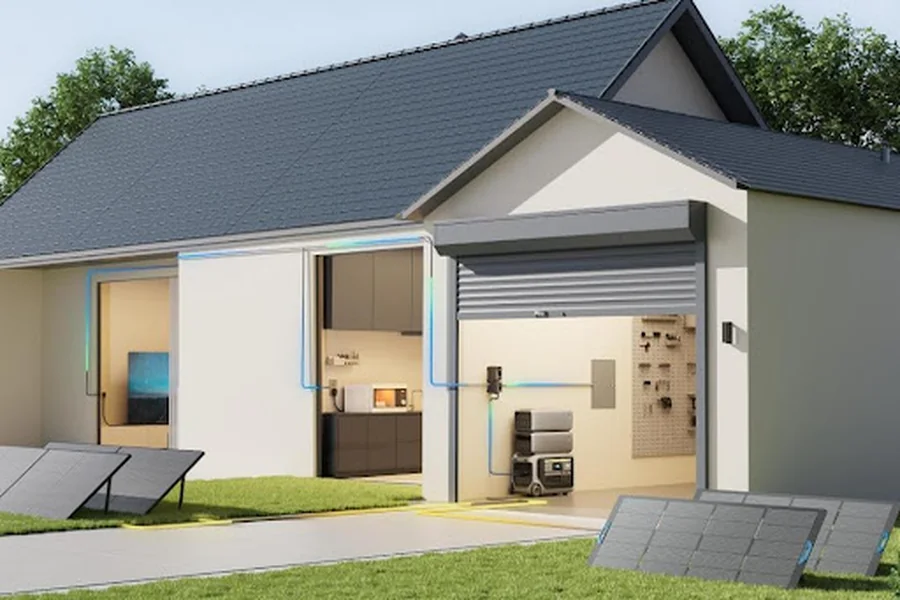
Solar-powered generators are gaining popularity as a sustainable and independent source of home energy. Utilizing advanced solutions like the Anker Solix solar generators, homeowners can now consider solar energy for both backup and off-grid power. These generators promise durability with LFP batteries and an impressive ability to run essential appliances—from refrigerators to air conditioners. With a solar conversion efficiency between 23% and 25%, and an MPPT efficiency of 99%, the Anker Solix ensures maximum energy capture. But can they truly handle an entire household’s energy demands, or are they more suited for partial load solutions? Let’s delve into this question.
Can Solar Generators Truly Power Your Entire House?
Solar generators are capable of powering a home, but it’s essential to match their capacity with your home’s energy needs. Powerful models can support essential appliances, but powering an entire house continuously may require a thorough analysis of your energy requirements and system scalability.
Matching Generator Capacity to Home Energy Needs
Before committing to a solar generator, assess your household’s average energy consumption. Calculate the total wattage of essential appliances, including your refrigerator, lighting, and HVAC systems. A typical American household might use 30 kWh daily. Thus, if you’re looking to power your whole house, ensure your generator’s capacity matches or exceeds this demand. The Anker Solix series can power nearly all home appliances, supporting critical loads during an outage. By prioritizing energy-efficient devices and scheduling appliance usage smartly, you can maximize your generator’s potential.
Whole-House vs Partial Home Backups
Some homeowners opt for partial home backups instead of going all-in with a whole-house solution. This strategy involves prioritizing the most critical appliances and circuits, ensuring they remain powered during outages. Whole-house systems provide seamless power, yet they may demand multiple generators or additional infrastructure. Anker Solix generators can strike a balance, furnishing ample energy for essential loads and offering flexibility. Considering an energy audit can reveal whether a whole-house solution or a selective backup is more feasible for your situation, depending on your budget and needs.
Key Factors That Affect House-Running Ability
Several factors determine how effectively a solar generator can power a home.
Battery Size and Solar Input
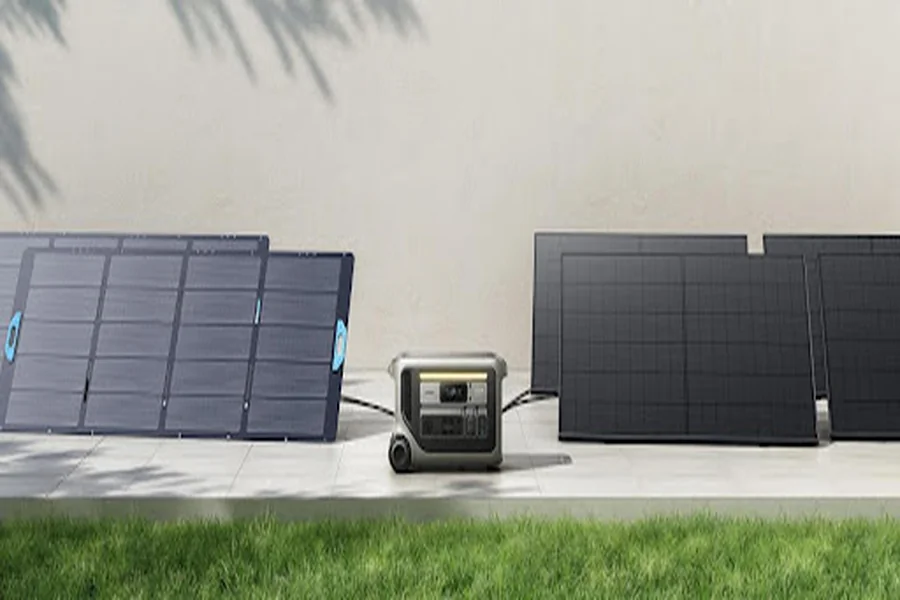
A generator’s battery size and solar input capacity critically influence its ability to power a home. Large batteries offer extended operation, while higher solar input allows quick recharge, maintaining your system during cloudy days. Anker Solix solar panels utilize LFP batteries, renowned for their long life and efficiency. These batteries ensure you receive optimal performance even under heavy use, perfect for extended outages or off-grid living. With superior solar conversion rates, these generators optimize performance, making them robust options for residential power solutions. Ensure your generator’s specs align with your daily and peak power requirements for continuous energy sustainability.
Sunlight Availability and Weather Impact
Solar generator performance hinges on sunlight availability, which varies based on location, weather, and season. Regions with abundant sunshine naturally provide optimal conditions for solar energy capture. Conversely, areas with frequent cloud cover might see diminished efficiency. Anker Solix panels mitigate this with a high MPPT efficiency, capturing maximum energy even under less-than-ideal conditions. To combat extended cloudy periods, consider hybrid systems that combine solar with traditional energy sources. Additionally, calculating seasonal energy fluctuations can guide the installtion of supplemental energy storage to maintain power continuity when sunlight is scarce.
Sizing and Planning Your Solar Generator System
Thoughtful planning ensures your solar generator meets household expectations efficiently.
Calculating Wattage and Watt-Hours Needs
Assessing your household’s cumulative energy requirements is foundational. Start by identifying essential appliances and determining their power consumption in watts. Multiply each device’s wattage by usage hours for accurate daily watt-hours. This evaluation assists in selecting a generator with adequate capacity. With tools like Anker Solix, offering robust backup solutions, matching these numbers ensures reliability. Consider peak power for startup surges of heavy-duty appliances. Thorough calculations enable you to choose the right generator size, securing continuous operations without overstressing your system.
Scalability and Multiple Battery Solutions
Expandable systems provide flexibility in handling fluctuating energy demands. By integrating multiple batteries, you can scale your power bank over time, adapting to increased energy needs. Anker Solix’s modular approach allows seamless expansion. Start small, then add more panels or batteries as usability expands. This scalable aspect is invaluable for growing households or transitioning to full off-grid living. Smart investment in a foundational setup permits gradual enhancements without overhauling the entire system, balancing immediate needs with future possibilities.
Realistic Use Cases for Solar Generators at Home
Explore practical applications to maximize solar investment.
Emergency and Outage Backup Loads
During outages, solar powered generators serve as reliable backups for critical loads. Focus on essential circuits like lights, communications, and efficient heating or cooling. Anker Solix systems excel in these scenarios, offering quick-switch solutions that keep emergencies manageable. Their high capacity ensures uncompromised functionality during power interruptions. Planning effectively for backup ensures you’re not left in the dark and keeps your household running smoothly until normal supply resumes.
Daily Power Supplement and Off-Grid Scenarios
Beyond emergencies, solar generators supplement daily power needs, reducing reliance on grid electricity. In off-grid scenarios, they enable sustainable living without constant utility connections. High-performing systems like Anker Solix are designed for such autonomy, supporting varied energy lifestyles. Integrate with existing setups for hybrid solutions or build entirely independent systems. Advanced solar generators provide the flexibility to manage energy consumption sustainably, aligning with growing eco-centric living aspirations.
Conclusion
Solar-powered generators present a viable solution for modern energy needs, offering security and eco-friendly alternatives to traditional power methods. With options like Anker Solix, users can leverage cutting-edge technology to maintain essential home functions, whether during emergencies or as part of everyday practice. Evaluating factors such as battery capacity, sunlight availability, and household energy demands is key to optimizing efficiency. Whether considering whole-house systems or selective backup plans, planning appropriately ensures you’ll maximize benefits, paving the way for greener, reliable home energy solutions.