If you’ve been told you need a dental crown — or you’ve been quietly researching them after noticing a tooth that’s cracked, heavily filled, or just not looking right anymore — you’ve probably also noticed the price. In the US, UK, or most of Western Europe, a single porcelain crown typically runs between $1,000 and $2,000. Per tooth.
For anyone needing more than one, that number stacks fast. And it’s the reason a growing number of people are researching what it actually looks like to get this done abroad — specifically in countries like Albania, where the same quality of care costs a fraction of the price.
This is a practical guide to how dental crowns work, what to look for in a clinic, and why Albania has become one of the most talked-about destinations for this kind of treatment.
What a Dental Crown Actually Does
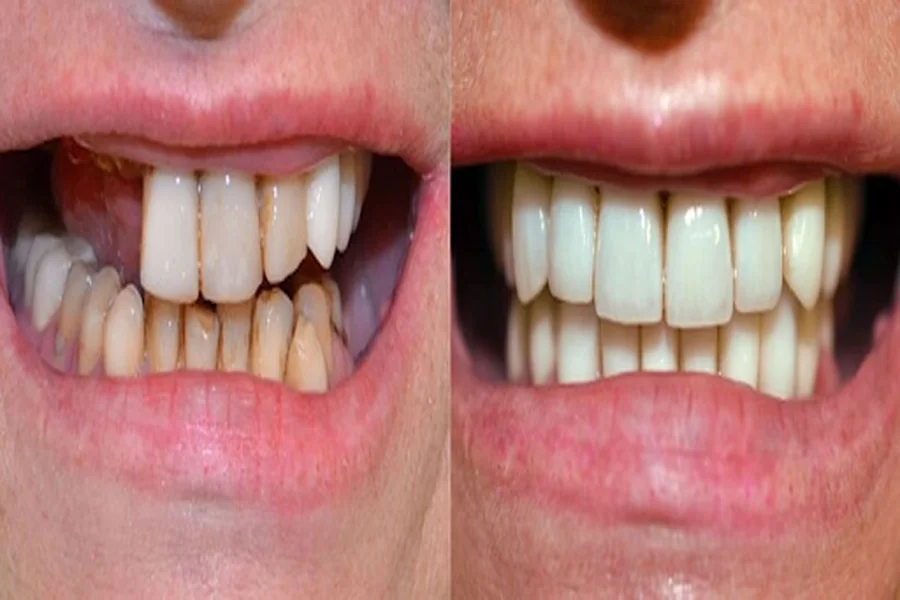
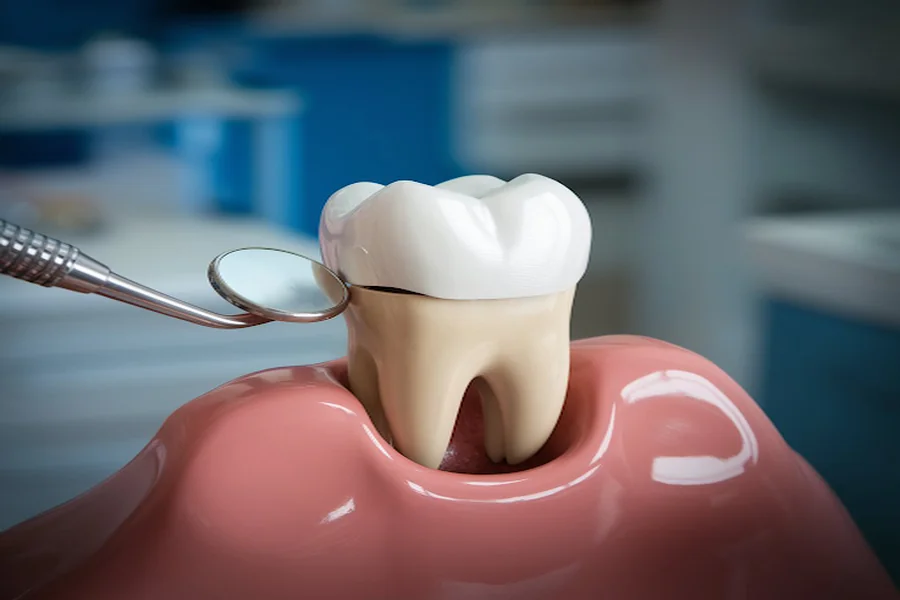
A crown is a cap that covers a damaged or weakened tooth entirely, restoring its shape, size, strength, and appearance. It’s one of the most common procedures in restorative dentistry because the list of situations where it’s the right solution is long: teeth that are severely decayed and too damaged for a filling to hold, cracked teeth that are at risk of splitting, teeth that have had root canals and need protection, severely worn teeth, or teeth that need to be reshaped for cosmetic reasons.
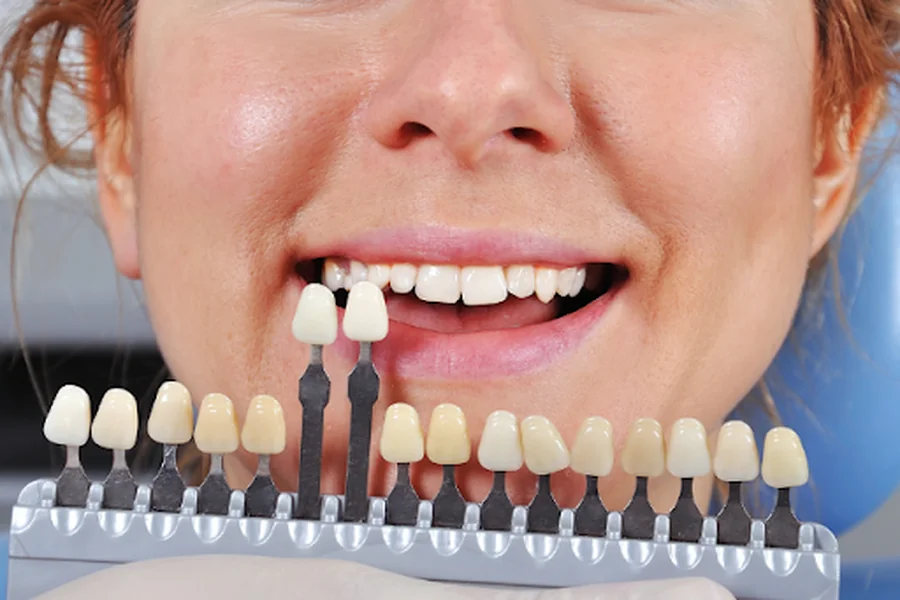
Modern crowns are typically made from porcelain, zirconia, or a combination of the two. Zirconia crowns in particular have become the standard for most patients — they’re extremely strong, don’t chip easily, and are matched to the shade of surrounding teeth so precisely that they’re effectively undetectable. The days of metal crowns with visible dark margins at the gumline are largely behind us.
The procedure itself spans two visits traditionally, or can be compressed into fewer in clinics equipped with same-day CAD/CAM milling technology: the tooth is prepared, a digital or physical impression is taken, a temporary crown is placed, and the permanent crown is fitted and bonded once fabricated.
Why the Price Gap Exists Between Countries
Understanding why dental crowns cost so dramatically less in certain countries requires a brief look at what actually drives dental pricing. It’s not materials — a zirconia crown blank costs roughly the same whether you’re in London or Tirana. What differs is everything around it: the rent on a clinic in a major Western European city, the salary expectations of staff, the malpractice insurance landscape, and the overhead built into a system where dental care is treated as an almost entirely private market with limited price regulation.
In Albania, those structural costs are substantially lower. A practice can charge significantly less per crown and still run a profitable, well-equipped clinic with highly trained staff. The savings are passed on to the patient, not because quality is being cut somewhere, but because the economic context is simply different.
This is why anyone seriously exploring dental crowns in Albania tends to find that the math makes sense very quickly — particularly for patients who need multiple crowns and are facing costs at home that would mean years of treatment spread across a payment plan.
What to Look For in a Clinic
Not all clinics operating in the dental tourism space are equal, and the research phase matters. Here’s what actually distinguishes the good from the mediocre:
Materials transparency. A reputable clinic will tell you exactly which brand of zirconia or porcelain they use and where it’s milled or fabricated. Ivoclar, Vita, and similar European-standard materials are what you’re looking for. Vague answers about “high-quality materials” without specifics are a yellow flag.
Digital workflow. Clinics using intraoral scanners and digital impressions rather than traditional putty impressions tend to produce more accurate fits. This matters especially for crowns, where precision at the margin — the edge where the crown meets the gum — directly affects longevity and gum health.
Documented case portfolios. Before-and-after images tell you a lot, but what you’re really looking for is consistency across cases, not just a few standout results. A clinic that does high volumes of crown work should have extensive documentation.
International patient infrastructure. The best clinics for dental tourism have systems built specifically for patients who aren’t local: pre-visit digital consultations, treatment planning sent in advance, coordination of multiple procedures within a compact visit, and clear aftercare protocols for when you’re back home.
Reviews from international patients specifically. Local reviews are useful but not fully representative. Look for detailed accounts from patients who traveled from your country — the logistics, the communication, the full experience, not just the clinical outcome.
Planning Your Trip Around Treatment
Most crown procedures for international patients are structured across one visit of four to seven days, depending on how many crowns are involved and whether additional work is being done simultaneously. Albania’s capital Tirana is well connected to major European cities, with direct flights from several hubs. The city itself has developed a legitimate hospitality infrastructure around dental tourism — accommodation near major clinics, good transport links, and an increasingly sophisticated dining and culture scene that makes the stay more than just a medical errand.
Many patients combine the trip with time elsewhere in the Balkans. Albania’s coast — the Albanian Riviera — is genuinely beautiful and significantly less crowded than comparable stretches of coastline in Croatia or Greece. Making the trip purposeful beyond the clinical visit tends to make the whole experience feel like a considered decision rather than a reluctant one.
The Common Mistake to Avoid
The biggest error in dental tourism isn’t choosing to go abroad — it’s choosing based on price alone. The cheapest clinic in any country is cheap for a reason. The goal is the best value, which is different from the lowest price: it means excellent materials, experienced specialists, a reliable digital workflow, strong patient communication, and a clear framework for what happens if you need follow-up.
The patients who report the best outcomes are the ones who treated their research like a due diligence process — asked the right questions, looked carefully at the evidence, had a consultation before committing, and chose based on the full picture rather than a single number.
Do that, and the decision to get your dental crowns done abroad is a straightforward one.