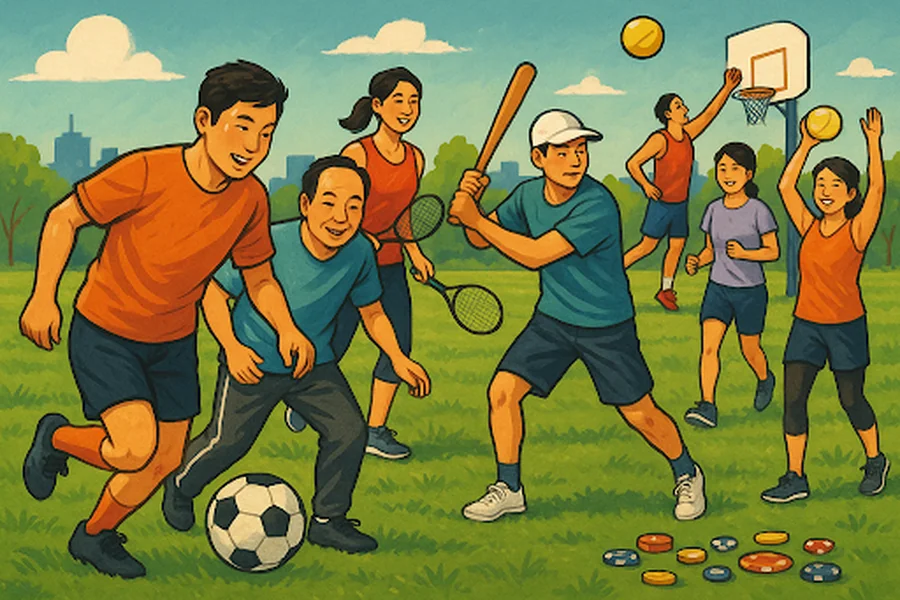
Grassroots sports have long been a foundation for communities in the Philippines. They are not just about competition. They offer a sense of identity, purpose, and unity. In many cases, these local games become stepping-stones to national and even international recognition. From basketball courts in Manila’s barangays to makeshift football pitches in Davao, talent continues to emerge where resources are scarce but dreams are alive.
In recent years, the visibility of amateur leagues has improved. Digital platforms and betting interests have helped raise the profile of local competitions. Terms like 1xbet nba are now part of everyday sports conversations. These platforms not only drive viewership but also connect fans with their communities’ rising stars.
This article explores how these humble beginnings are changing futures. We will look at real stories, long-term effects, and the structure behind these programs. From schoolyards to professional stadiums, grassroots sports continue to shape individual paths and national pride.
The Role of Local Sports in Shaping Identity
Local sports offer more than physical activity. They build community trust and resilience. For many young Filipinos, playing in a local league means staying away from street violence or drugs. Coaches often double as mentors, guiding youth in discipline and life decisions.
In the Philippines, basketball is king. Almost every barangay has a court. These courts are not just for games – they host tournaments, festivals, and election campaigns. Football is gaining ground too, especially in Mindanao. Programmes like Gawad Kalinga’s “Football for Peace” mix sport with outreach.
Even without formal training or equipment, Filipino athletes show promise. The country’s history is rich with examples of athletes who started from local leagues and ended up in the Southeast Asian Games or the Olympics. Grassroots sports are often the first exposure young people have to organised competition. And that early exposure is vital.
Support Systems: Building Athletes from the Ground Up
Creating champions requires support beyond the field. Grassroots sports thrive when there is investment in coaching, facilities, and nutrition. In urban centres, local government units fund leagues, offer stipends, and train volunteer coaches. However, rural areas still rely on private aid and NGOs.
In many cities, sponsorship plays a key role. Local companies support tournaments to reach new customers. In return, they provide shirts, equipment, or sometimes cash prizes. Larger companies – including main betting sites – sponsor events that attract regional attention.
Public-private partnerships have helped some cities turn weekend leagues into formal academies. These setups include regular training schedules, education support, and medical monitoring. Players not only train, but also learn values and discipline that help them in school and future jobs.
Talent Spotting and Career Opportunities
Scouts often attend amateur tournaments. They look for speed, coordination, and decision-making. Players who stand out may receive invitations to training camps or scholarships. In many cases, these opportunities change lives.
Universities and athletic associations in the Philippines regularly offer sports scholarships. Playing for a university team means getting free education, medical care, and in some cases, a monthly allowance. Some athletes continue to become national players. Others use their degrees to find stable jobs.
A growing number of Filipinos are now entering international circuits. From volleyball players in Japan to footballers in Thailand, exposure at grassroots level was their first break. That journey started in places where they had little more than plastic cones and a used ball.
Obstacles Faced by Grassroots Athletes
Despite success stories, obstacles remain. Many athletes still lack proper nutrition and medical support. Injuries go untreated, and careers end early. Corruption in local leagues, poor maintenance of facilities, and lack of transport all hinder progress.
Training often depends on weather. Open courts flood during rainy months, and there is little backup. This breaks momentum and kills motivation. Athletes also struggle to balance training with education. While some schools support athletes, many teachers still do not consider sports as serious work.
To address this, some initiatives are working on multi-use indoor facilities. These can host different sports and allow year-round training. Partnerships with schools and barangays also help schedule games around classes and exams.
The Broader Social Impact
Grassroots sports do more than produce athletes. They build character, teamwork, and leadership. Local tournaments encourage peace, offer platforms for social projects, and reduce crime. Community elders, parents, and business owners often get involved. This creates stronger local ties.
A study by the Philippine Sports Commission showed that barangays with regular youth tournaments reported lower crime rates. School attendance also improved during league seasons. These effects prove that local sports are not just hobbies. They are a part of public health, education, and local governance.
Filipino pride in local athletes strengthens national identity. When someone from a far-flung province competes abroad, they carry more than personal dreams. They represent entire communities.
Final Thoughts
Grassroots sports in the Philippines show what happens when effort meets opportunity. From makeshift courts to packed gymnasiums, they offer paths out of poverty and into self-respect. Athletes find their voice, families gain hope, and communities unite around shared goals.
The rise of digital platforms, including main betting sites, gives more visibility to local talent. This increased attention helps raise funds, motivate players, and improve game standards. With the right balance of government support, private backing, and community involvement, these programmes can become even more impactful.
Change does not always need grand gestures. Sometimes, all it takes is a dusty court, a cheap basketball, and a coach who refuses to give up. The journey from street to stadium begins there – and for many Filipinos, that journey is already changing lives.