
You sit on a friend’s couch, and their tabby cat curls up next to you. Within minutes, your nose starts to tickle, and your eyes water slightly. You wonder: is it the cat, the dust, or something else? Cat allergies are common, but they are often mistaken for seasonal allergies or minor irritations. Recognizing the difference matters. When you know the signs, you can take steps to confirm whether your symptoms truly stem from cats. From paying attention to timing to seeking medical advice, the process involves observation, awareness, and small lifestyle adjustments. Let’s explore how to identify the clues and how to move forward once you suspect a reaction.
Recognizing the Early Signs
Many people miss the first indicators because they mimic everyday discomforts.
Common Physical Reactions
The most obvious signs include sneezing, watery eyes, and a runny or congested nose. Some also notice an itchy throat or coughing that develops after contact. Unlike a cold, symptoms often appear quickly and fade once you leave the environment. Imagine stepping into a home with cats and immediately feeling your eyes sting—that instant response is a key clue. While mild at first, these physical signs build a pattern over repeated visits, making them hard to ignore.
Skin and Contact Clues
Not all allergic responses are respiratory. For some, a cat’s lick or scratch leaves a raised, itchy bump. Others develop redness where fur brushes their skin. These contact symptoms are less dramatic but just as telling. If you notice your skin flares up in places where cats touch you, your body may be signaling sensitivity. Pay attention to these smaller reactions, as they often appear before respiratory issues become obvious.
Timing and Environmental Triggers
Context matters as much as symptoms. If your nose clears outdoors but clogs indoors with cats, the cause becomes clearer. Similarly, if staying at a friend’s cat-free home brings relief, but symptoms return when you visit a pet owner, that contrast is diagnostic in itself. This pattern of “symptoms in one place, not another” helps you separate a cat allergy from seasonal pollen or dust triggers.
Confirming the Source of Symptoms
Observation helps, but confirmation provides certainty.
Testing at Home
Start by keeping a simple journal. Note when symptoms appear, how long they last, and what triggered them. Compare days spent at home, at work, or at a friend’s with cats. Over time, you may notice a clear link. This low-effort tracking often reveals correlations that memory alone cannot. Even without lab tests, patterns in your daily life provide strong evidence.
Professional Allergy Testing
Medical confirmation offers the most reliable answer. Skin prick tests expose you to a small amount of cat allergen and monitor for reactions. Blood tests measure antibodies tied to allergic responses. These tests take guesswork out of the process, confirming whether cats truly cause your discomfort. For many, having professional results brings peace of mind and helps guide practical decisions, from lifestyle adjustments to treatment options.
Differentiating from Other Allergies
Cats aren’t the only suspects. Dust mites, mold, or even fragrances can mimic similar symptoms. A healthcare professional helps separate overlapping triggers. For instance, you might react more strongly in homes with both cats and carpets, suggesting a mix of allergens. Clear differentiation prevents unnecessary lifestyle changes and ensures you focus on the true source of discomfort.
Living with Awareness and Support
Once you know cats are the trigger, small changes help reduce exposure.
Creating a Cleaner Environment
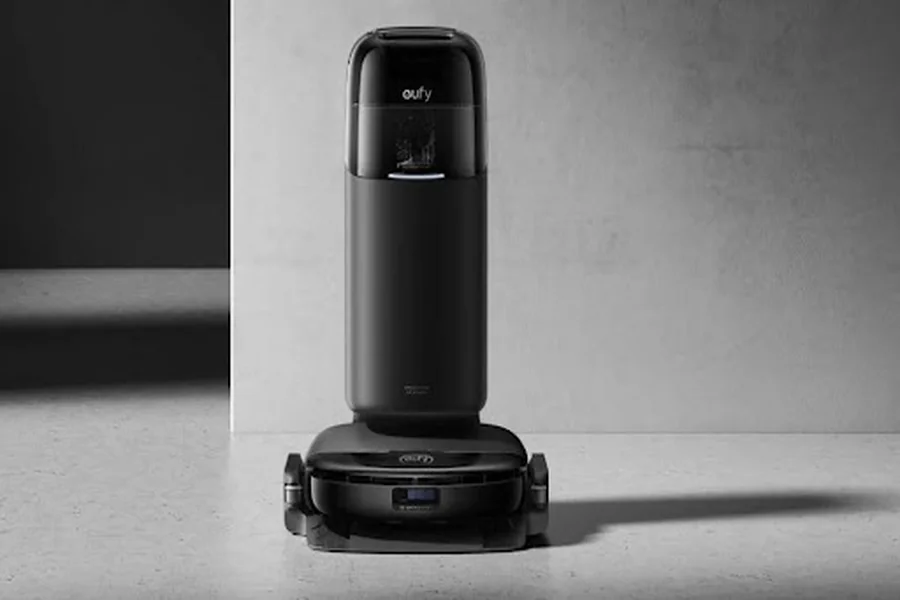
Cat allergens cling to surfaces like sofas, curtains, and rugs. Frequent cleaning lowers their presence. This is where smart tools can play a role. The eufy Robot Vacuum Omni S1 Pro handles daily vacuuming and mopping quietly in the background, targeting corners and edges where allergens often settle. By keeping floors consistently clean, it helps reduce the invisible buildup that triggers reactions, giving you more control over your space.
Adjusting Personal Habits
Simple routines make a big difference. Wash your hands after petting cats, avoid touching your face, and change clothes after long exposure. Brushing cats outdoors can also limit how much fur and dander spreads indoors. These small, mindful habits create a noticeable reduction in symptoms, especially when combined with consistent cleaning.
Exploring Natural Relief
Many people look for how to get rid of cat allergies naturally before considering medication. Strategies include saline nasal rinses, air purifiers, and choosing hard-surface flooring that’s easier to clean. These approaches don’t eliminate allergies but reduce their intensity, making daily life with or around cats more manageable. Paired with professional advice, they give you a balanced approach that fits both comfort and health.
Conclusion
Knowing if you’re allergic to cats involves more than noticing a sneeze. It requires recognizing consistent patterns, confirming the source through testing, and making practical lifestyle adjustments. From watery eyes that flare up around felines to skin reactions after contact, your body provides clues worth listening to. Professional guidance removes doubt, while mindful habits and supportive tools reduce daily exposure. The eufy Robot Vacuum Omni S1 Pro adds convenience by maintaining a cleaner baseline at home, lessening the allergen load without effort. With awareness and the right steps, living with or around cats becomes not just possible, but comfortable, even for those with sensitivities.