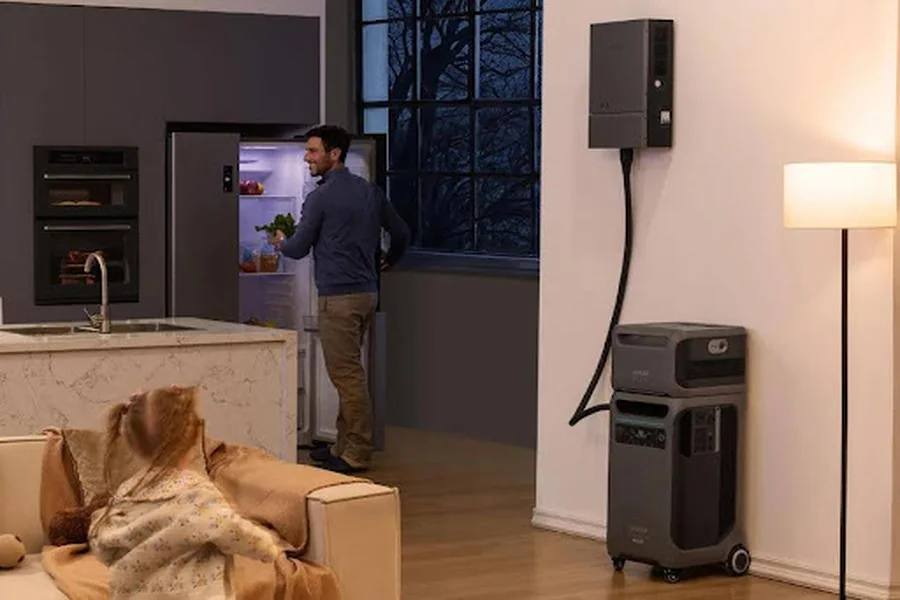
Peak power events occur in every home. Appliances start, motors surge, and multiple devices may draw significant electricity at once. A home battery backup must respond instantly to these spikes to protect appliances and maintain uninterrupted operation during outages. The way a system manages bursts of demand depends on inverter strength, voltage capability, load distribution, and how efficiently the system can recharge and stabilize itself after the surge. A dual-unit setup such as two Anker SOLIX F3800 Plus units paired with the Smart Home Power Kit demonstrates how modern battery storage maintains reliable output while supporting heavy loads, including 120V circuits, 240V appliances, and high-demand equipment that cycles on unexpectedly. Understanding these mechanisms helps homeowners choose a system built for real-world conditions rather than ideal lab scenarios.
How Power Delivery Architecture Supports Peak Load Performance
Inverter Strength and Rapid Surge Handling
A peak load always begins at the inverter—the component that transforms stored battery energy into usable AC power. A strong inverter determines how quickly and cleanly the system reacts when appliances demand more electricity than usual. In a dual F3800 Plus configuration, each unit offers 6,000W AC output, creating a robust platform for handling surges from devices such as pumps, compressors, refrigerators, and HVAC blowers. When surge conditions occur, the inverter responds in milliseconds, preventing voltage drops or flickering that could otherwise affect sensitive electronics. This rapid response ensures that even when heavy appliances start simultaneously, the system maintains stable output without hesitation. In real-world outages, this instant surge handling is what keeps essential devices operating smoothly.
Dual Voltage for Balanced Distribution
Homes experience peak loads across both 120V and 240V circuits. Systems that support dual voltage manage these surges more efficiently because they distribute load across separate pathways. The F3800 Plus supports both voltage levels, allowing the system to power central AC, well pumps, or dryers without overloading a single circuit. This distribution prevents excessive strain on one side of the system and delivers balanced performance during high-demand moments. When combined with the Smart Home Power Kit, the system directs power intelligently, ensuring that each connected appliance receives the voltage it requires without compromising performance on other circuits. This structured distribution is essential for maintaining stability when households cycle through multiple surge-heavy appliances.
Load Coordination and Multi-Unit Synchronization
A major advantage of linking two battery units is how effectively the system coordinates peak loads across the pair. When a surge occurs, the Smart Home Power Kit governs how power is drawn from each battery and ensures the two units respond as a synchronized system rather than isolated devices. This creates higher resilience and reduces stress on the internal components. With more available output overhead, the system handles larger loads with less strain, supporting appliances that require continuous, high-power operation. Multi-unit coordination also reduces the likelihood of shutdowns caused by sudden spikes, making the setup more robust during winter storms, heat waves, and blackout conditions when major appliances cycle unpredictably.
How Charging, Conditions, and System Design Influence Peak Load Stability
Charging Pathways and Recovery After Peaks
Handling peak loads is only part of the equation; recovering after the surge is equally important. A battery system must replenish energy quickly enough to maintain stable operation throughout an extended outage. High solar throughput—up to 3,200W with dual 165V input—helps the F3800 Plus system refill its batteries efficiently, even after multiple peak events. When sunlight is available, the system reaches a full charge in less than two hours, restoring reserve energy that can support additional surges. For conditions where solar is limited, 240V bypass charging and generator charging offer alternative paths to restore power. Four total recharge methods give the system flexibility, ensuring that peak events do not reduce available capacity faster than the system can replenish it.
Thermal Management and Environmental Stability
Peak loads generate heat, and temperature directly affects battery performance. A system must regulate internal temperatures to maintain consistent surge handling during long outages. Cooler battery environments support stronger surge responses, while extreme heat may limit output to protect internal components. Installing the batteries in a stable, ventilated location—such as a garage wall, interior utility space, or covered exterior area—helps maintain optimal performance. The F3800 Plus system is engineered to endure long operational cycles, and maintaining a controlled environment ensures that peak output remains consistent even after repeated surges throughout the day.
Scalable Storage and Peak Load Reserves
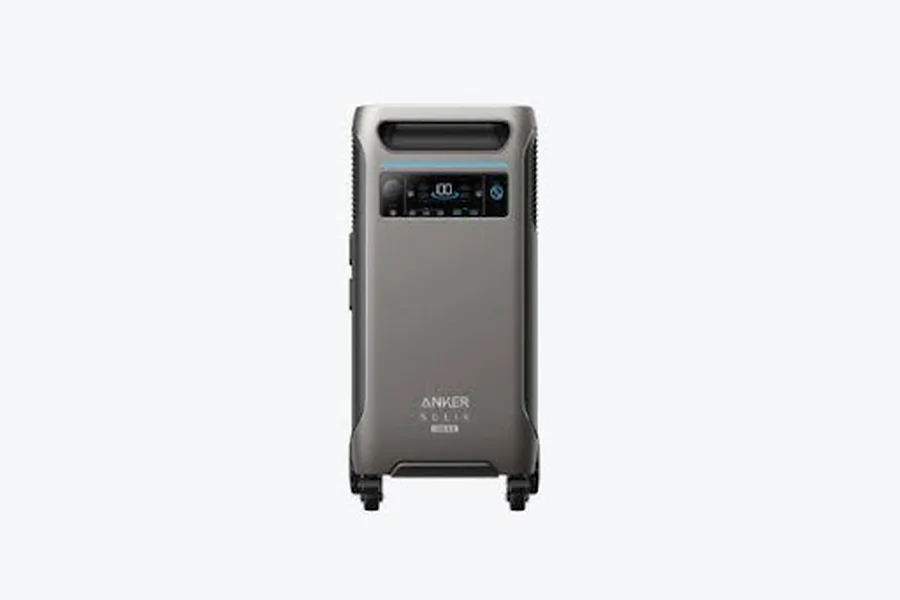
The ability to scale storage affects how well a home battery handles repeated high-power demands. Larger capacity allows the system to maintain a higher energy reserve, ensuring it has sufficient headroom to absorb multiple surge events without dropping below critical thresholds. Two F3800 Plus units start at 3.84 kWh per unit and can expand up to 53.8 kWh with additional batteries. This expansion ensures that households with high surge loads—such as large HVAC systems or well pumps—have ample reserve to support these appliances during extended outages. The Smart Home Power Kit orchestrates energy distribution so that heavy loads do not drain one battery disproportionately, preserving overall stability across the system.
Conclusion
Peak power performance is one of the most important capabilities of any home battery backup, especially for households relying on large appliances and systems that cycle unpredictably. Managing surges requires a powerful inverter, dual-voltage support, and intelligent load coordination across multiple units. The dual Anker SOLIX F3800 Plus setup paired with the Smart Home Power Kit demonstrates how modern systems deliver strong surge performance while maintaining stability during long outages. Flexible recharge options—from solar to generator input—ensure the system recovers quickly after each surge. By understanding how battery architecture, environmental conditions, and load patterns shape peak performance, homeowners can build a backup solution that remains reliable when demand is highest.