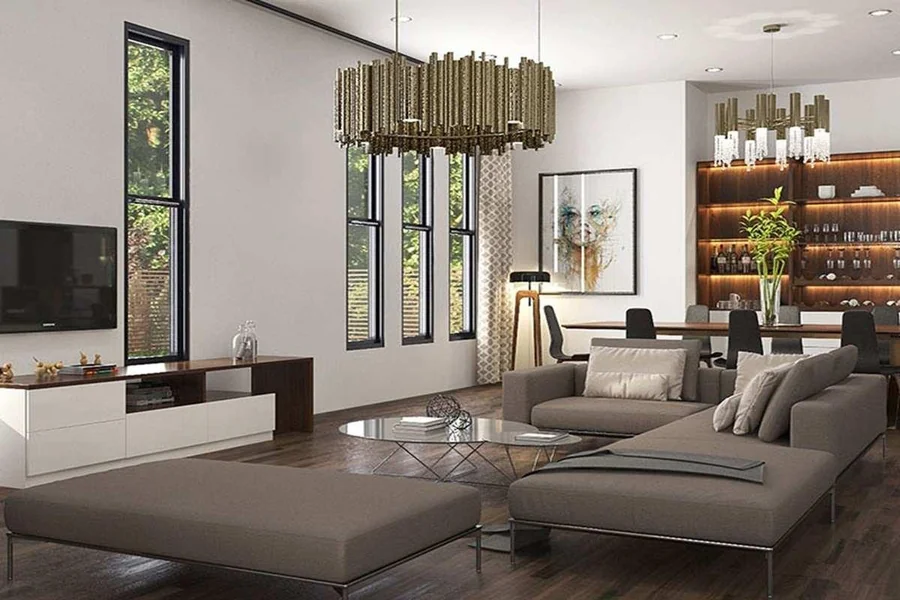
There’s something magical about a home that feels instantly welcoming—where conversations flow easily, laughter bubbles up naturally, and memories are made without effort. Creating such spaces isn’t just about picking pretty furniture; it’s about understanding flow, function, and the subtle psychology of social spaces. Let me walk you through how to transform your home into an entertainer’s dream.
The Heart of Entertaining: Your Living Room Layout
The living room often serves as a command center for gatherings. The secret? Conversation-friendly furniture arrangements. Forget the old-school approach of pushing everything against walls (rookie mistake!). Instead, create “conversation zones” with seating arranged in loose circles or squares, where people can comfortably chat without straining to hear or make eye contact.
I find that the ideal distance between seats is about 8 feet maximum—any more and guests need to raise their voices awkwardly. My clients are always surprised when I pull their massive sectionals away from walls, but the difference in how people interact is immediate and dramatic.
Some essentials for an entertaining-ready living room:
- A mix of seating types (sofas, side chairs, ottomans) to accommodate different body types and preferences
- At least one extra-large ottoman that can double as a coffee table, extra seating, or footrest
- Side tables within reach of every seat (nobody wants to hold their drink all night!)
- Lighting at multiple heights—overhead, table lamps, and floor lamps—all on dimmers
The Dining Area: Beyond Just Eating
Let’s be honest—some of the best parties end up with everyone crowded around the table long after dessert is finished. Your dining setup should anticipate these moments.
For the table itself, consider an extendable option if your space is limited. Round tables foster more inclusive conversations, while rectangular ones accommodate more people. Whichever you choose, make sure there’s at least 36 inches between the table edge and walls or other furniture to allow for chair movement and service circulation.
Speaking of chairs—comfort trumps style here, though you shouldn’t have to choose. Look for dining chairs with slight padding and supportive backs. And hey, they don’t all need to match! Mixed seating can look intentional and collected rather than like a furniture showroom display.
The vibe is what matters most. You know how some dining rooms feel stiff and formal? Avoid that by incorporating:
- Warm, layered lighting (always include candles!)
- A sideboard or buffet for serving and storage
- Art or mirrors that reflect light and create visual interest
- Acoustical considerations like rugs, curtains, or wall hangings to absorb sound
Kitchen: Where Everyone Actually Gathers
No matter how beautiful your living room is, we all know where people really congregate—the kitchen. This is where investing in quality makes the biggest impact.
My experience with various kitchen cabinet brands has taught me that functionality matters as much as aesthetics. OPPEIN cabinetry, for example, offers fantastic storage solutions specifically designed for entertainers—like specialized drawers for serving pieces and clever pull-outs that maximize space.
Consider these kitchen must-haves for frequent hosts:
- An oversized island with seating on one side (the “audience” side) and workspace on the other
- A designated beverage station away from the main cooking area to prevent traffic jams
- Double ovens if space allows
- A pot-filler faucet above the stove (seems fancy but it’s genuinely useful)
- Open shelving for glasses and frequently used items
A small thing that makes a big difference? Varied counter heights. Standard height for food prep, bar height for casual dining or observers. This simple change creates natural divisions within the space while keeping everyone connected.
The Overlooked Zones: Entryway and Powder Room
First impressions matter! Your entryway sets the tone for the entire visit. It should have:
- A place to hang coats (even a stylish freestanding rack works)
- A small bench or seat for shoe removal
- A mirror for quick appearance checks
- Adequate lighting that welcomes rather than blinds
As for the powder room—this small space deserves outsized attention since nearly every guest will visit it. Splurge a little here! Good ventilation, quality hand soap, plush hand towels (or disposable guest towels), and flattering lighting will all be noticed and appreciated.
Outdoor Entertaining Spaces: Extending Your Square Footage
If you’ve got outdoor space, even just a small balcony, don’t waste it! Outdoor areas can effectively double your entertaining space during good weather.
The key is to make these spaces as comfortable and functional as your indoor areas:
- Weather-resistant seating with cushions that rival indoor comfort
- Proper lighting (string lights aren’t just trendy—they’re magical!)
- Some form of weather protection (umbrellas, pergolas, retractable awnings)
- A heat source for chilly evenings (fire pit, patio heater)
By the way, indoor-outdoor flow is a bit of a design buzzword these days, but for good reason. When you can easily move between spaces, your home suddenly feels much larger and more flexible for entertaining.
Multi-functional Furniture: The Entertainer’s Secret Weapon
Limited space? No problem. Look for pieces that can transform:
- Nesting tables that expand when needed
- Storage ottomans that hide extra throw blankets or games
- Consoles that convert to dining tables
- Bar carts that can serve multiple purposes
The negative space (that’s designer-speak for the empty space around objects) is just as important as the furniture itself. Rooms need breathing room for people to move through comfortably, especially when they’re holding drinks or plates.
The Finishing Touches
Small details elevate the entertaining experience:
- A dedicated bar area, even if it’s just a well-styled tray on a console
- Quality glassware in various sizes for different beverages
- Wireless speakers strategically placed throughout your home
- Baskets of throw blankets for outdoor gatherings or movie nights
- Board games or conversation starters tucked in coffee table drawers
Final Thoughts
Creating a home for entertaining isn’t about perfection—it’s about facilitating connections. Some of the most memorable gatherings happen in modest spaces that simply feel good to be in.
Remember that your home should still function for your everyday life. The best entertaining spaces serve your family well first, then adapt seamlessly when guests arrive. After all, what’s more welcoming than a home that’s actually lived in?