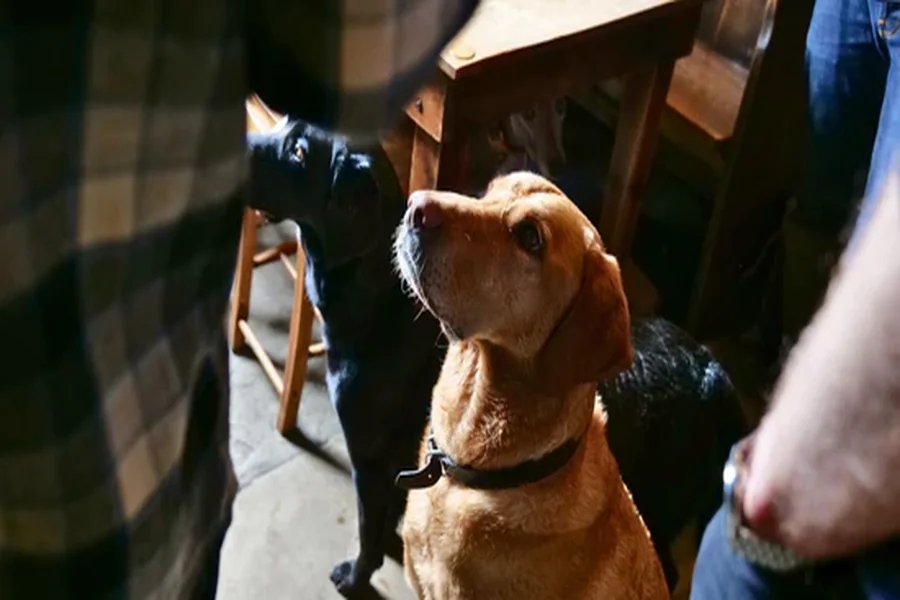
Leaving your dog behind while you travel isn’t always easy—but it can be a lot less stressful when you know they’re being cared for somewhere that actually feels like home. While traditional kennels still exist, more dog owners are turning to services that offer a more personal, low-stress alternative. These setups usually combine professional care with homely touches, so your pup feels relaxed, stimulated, and safe.
But how do you make sure your dog’s stay is as smooth and comfortable as possible? Here are a few practical tips to help your furry friend adjust well while you’re away.
Pack the Right Home Comforts
Dogs are creatures of habit. Even small changes to their routine can leave them unsettled, especially in a new environment. One of the best things you can do is send them off with familiar items. Bring their favorite blanket or bed, a toy they chew on all the time, and even their usual food and treats. These simple comforts can work wonders in keeping your dog calm and settled.
If your dog uses any puzzle toys or slow feeders at home, consider bringing those too. They help reduce boredom and keep your pet mentally engaged, especially during quiet times.
Share Your Dog’s Daily Routine
Most professional carers appreciate having as much detail as possible about your dog’s habits. Whether your dog eats at 6 a.m. sharp, enjoys a midday nap, or needs a specific bedtime ritual, those details matter. Writing down your dog’s daily routine helps the carer replicate your home environment more closely.
Include notes about any medications, allergy triggers, or quirks that might be important. The more info you provide, the smoother the transition will be—and the better the care.
Choose a Space That Feels Familiar
Not every facility is built the same, and not every dog thrives in a busy kennel setup. Some dogs are more social and love the buzz of group playtime. Others do better in quieter, home-based settings with one-on-one attention. Understanding your dog’s personality will help you choose the best fit.
If your dog prefers quieter surroundings and personal care, you might consider reputable dog boarding in Sydney that offers a more home-like experience. These setups often include comfy indoor spaces, cozy beds, backyard access, and lots of one-on-one interaction—ideal for pets who don’t do well in traditional kennels.
Don’t Rush the Drop-Off
If you can, set aside a little extra time for the handover. Try to avoid rushing through the goodbye, especially if your dog tends to get anxious. Dogs can pick up on your emotions, so a calm and confident goodbye helps them stay relaxed. Let them sniff around the new environment, meet the carer at their own pace, and settle in before you leave.
Some facilities even offer trial stays or half-day visits, which can really help nervous pets get comfortable in a new space before a longer stay.
Keep Things Consistent
While it might be tempting to try new treats or introduce a fancy new toy right before the stay, this could actually make things harder. It’s better to stick to what your dog knows. Keep their diet the same, avoid big schedule changes before drop-off, and try not to switch up their gear, like harnesses, collars, or bowls, right before their visit.
Even small changes can add up, especially if your dog’s already adjusting to being away from home.
Plan for Communication
Staying in touch with the carer can ease your mind while you’re away. Most dog boarding setups will happily send photo updates, videos, or short messages letting you know how your dog’s doing. It’s a simple way to stay connected and make sure everything’s going smoothly.
Before booking, ask how updates are typically shared. Some use messaging apps, others email, and a few even post private photo galleries for you to check in on your pup whenever you’d like.
Helping Anxious Dogs
Many dogs show signs of anxiety when away from their owners, even for short periods. If your dog tends to get clingy, nervous, or destructive when left alone, it’s a good idea to read up on how to reduce separation anxiety in dogs. There are lots of small, easy changes that can help, like practicing short separations at home, using calming aids, or adjusting your goodbye routine.
These tips can be just as helpful during boarding stays as they are for day-to-day life.
Final Thoughts
When you’re confident your dog is in a calm, caring environment, it makes traveling that much easier. A little prep goes a long way in making their time away feel more like a vacation than a disruption. Focus on consistency, communication, and comfort, and your dog will be wagging their tail when you return.