If you’ve been researching abdominoplasty — the tummy tuck — you already know the basics. You know it removes excess skin, tightens the abdominal muscles, and produces results that diet and exercise simply cannot achieve for people dealing with post-pregnancy changes or significant weight loss. You probably also know the price in your home country, which is very likely what brought you to the point of searching for alternatives.
This is a practical guide to what the procedure actually involves, what makes it different from other body surgeries in terms of logistics and recovery, and why Albania has become one of the more seriously discussed destinations for people making this decision.
What a Tummy Tuck Actually Does — and Doesn’t Do
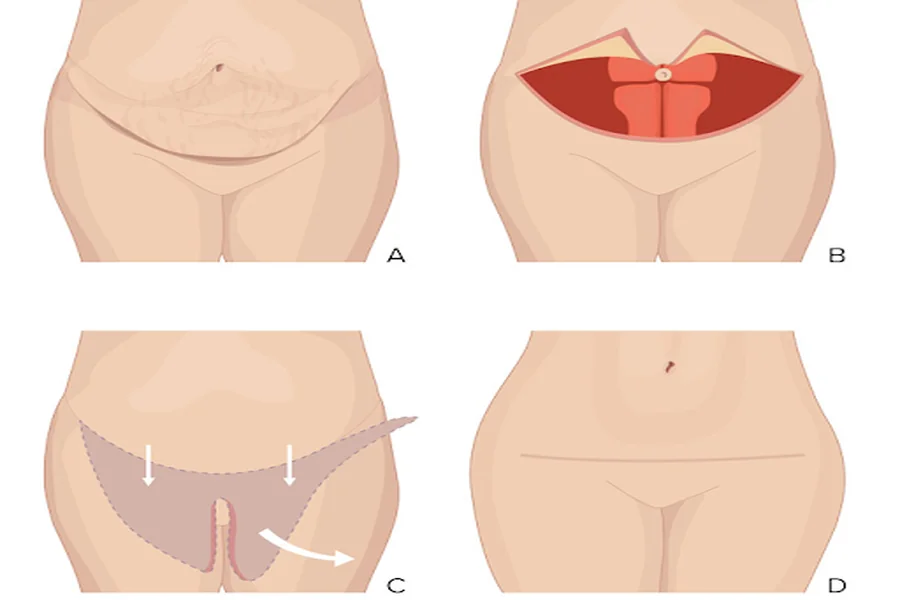
The most important thing to understand about a tummy tuck is what it’s correcting. It’s not a weight loss procedure. Surgeons will tell you this consistently, and it’s worth taking seriously: patients who are significantly above their goal weight before surgery tend to have worse outcomes and higher complication rates. The procedure is designed for people who are at or near their target weight but have skin laxity or muscle separation — diastasis recti — that won’t respond to exercise.
The muscle repair component is actually what makes the tummy tuck different from liposuction in a fundamental way. Liposuction removes fat. A tummy tuck removes excess skin and, critically, sutures the rectus abdominis muscles back together when they’ve separated — which happens commonly during pregnancy and sometimes with significant weight fluctuation. No amount of core work can repair that separation once it’s happened. Surgery is the only option.
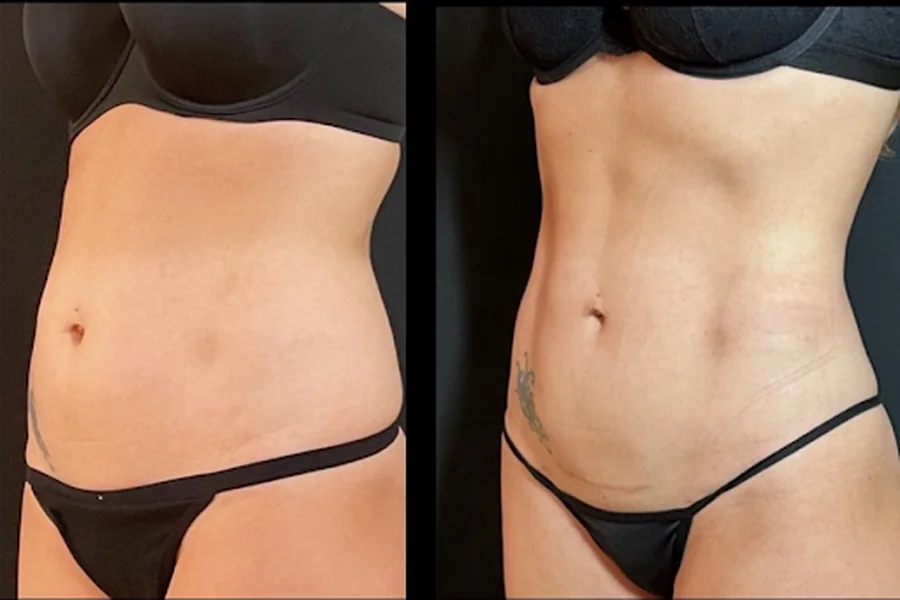
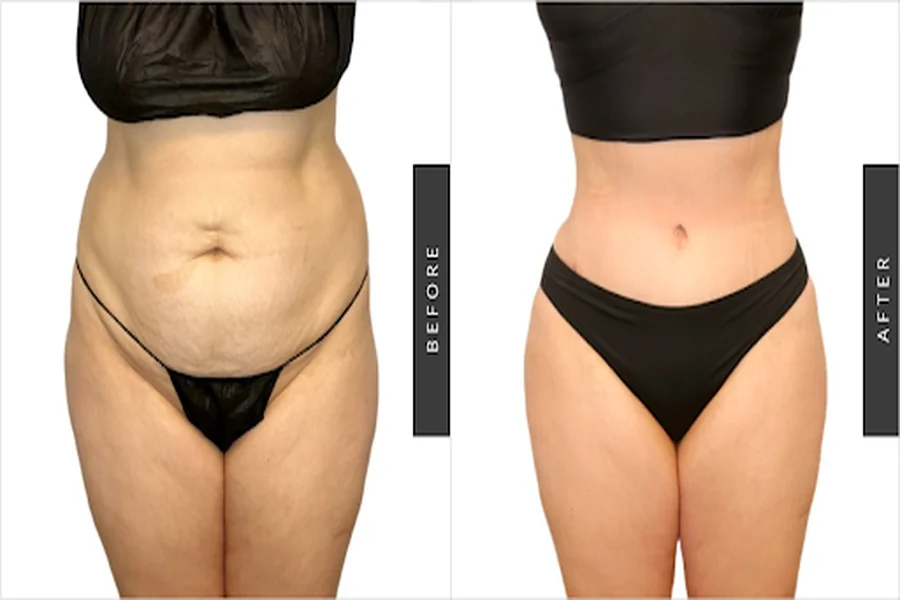
The result, when the procedure is performed well on the right candidate, is a flat, firm abdominal profile with a low, horizontal scar that falls within the bikini line. The scar is permanent but fades significantly over the first two years.
The Recovery Reality
Tummy tuck recovery is genuinely demanding, and it’s one of the areas where people tend to underestimate what they’re signing up for. Here’s an honest picture:
The first week is the hardest. You’ll be walking bent forward and sleeping in a recliner position to reduce tension on the incision. Drains — thin tubes that remove fluid buildup — are standard for the first one to two weeks. Compression garments are worn for six to eight weeks. You won’t be doing anything physically demanding for four to six weeks, and full recovery — meaning feeling completely normal and seeing the final result — takes closer to six months to a year.
This recovery timeline is one of the most important factors to plan around if you’re considering going abroad for the procedure. You need to build in enough time post-surgery before flying home, and you need someone who can be with you during the initial recovery days. Most surgeons recommend staying in destination for a minimum of ten to fourteen days before traveling.
Why People Choose Albania for This Procedure
The tummy tuck is one of the most frequently performed procedures by medical tourists heading to Albania, and the reasons are straightforward once you look at the numbers. In the UK, a full abdominoplasty with a reputable surgeon runs between £6,000 and £10,000. In Germany or the Netherlands, comparable pricing. In the US, frequently higher.
The same procedure — performed by surgeons who trained at Italian and European university hospitals, in accredited facilities equipped with the same standard of technology — is available at a fraction of that cost. For patients looking at tummy tuck in Albania specifically, the price differential is significant enough that even factoring in flights, accommodation for two weeks, and post-op garments, the total cost still comes in substantially below what a comparable procedure would cost at home.
That math is driving a lot of decision-making. But price alone doesn’t explain why Albania specifically, rather than Turkey or Thailand, has become the choice for a growing number of European patients. The answer has more to do with proximity — short direct flights from most of Western Europe, no major time zone adjustment, familiar medical culture — and with the caliber of surgeons building reputations at Albanian clinics.
What to Actually Compare When Evaluating Clinics
The research phase is where people either set themselves up for a good experience or create problems for themselves. Here’s what actually matters, in order of importance:
Surgeon credentials and portfolio. Where did the surgeon train? Are they board certified in plastic surgery, not just general surgery? Do they have documented experience specifically with abdominoplasty? Does their before-and-after portfolio show consistent results across different body types, or just a few exceptional cases?
Facility accreditation. Is the clinic performing procedures in a proper surgical facility — an actual operating theatre with anesthesiology, sterile conditions, and recovery rooms — or a clinical space not designed for major surgery? This distinction matters enormously for complication management.
Post-operative protocol. What are the drain management instructions? What compression garment do they provide or recommend? What are the criteria for when it’s safe to fly? Do they have a system for remote aftercare consultation once you’re home?
Communication quality. How well does the clinic communicate during the inquiry phase? This is a meaningful signal. A team that responds thoroughly, answers specific questions with real information rather than generic reassurances, and provides a detailed treatment plan before you commit is demonstrating the kind of professionalism that carries through to the surgical experience itself.
International patient reviews — not just overall ratings. Look specifically for accounts from patients who traveled from your country, dealt with the same logistics you’ll face, and documented their experience in enough detail that you can evaluate it critically. High volume rating sites aren’t useless, but detailed first-person accounts from medical tourism communities are considerably more informative.
The Combination Procedure Factor
One thing that draws people specifically to the tummy tuck rather than liposuction alone is that it’s frequently combined with other procedures during the same surgical session — most commonly liposuction of the flanks and hips, but also sometimes breast surgery as part of what’s called a mommy makeover. Combining procedures under a single anesthetic reduces total cost and means a single recovery period rather than multiple.
If you’re considering combinations, this needs to be factored into your timeline planning and into your evaluation of the clinic’s capabilities. Not every surgeon who performs good tummy tucks has equivalent expertise in breast surgery, and vice versa. Ask specifically who is performing each component of a combined procedure.
The decision to have surgery abroad is a serious one that deserves serious research. The people who come through it well are those who approach it exactly that way.