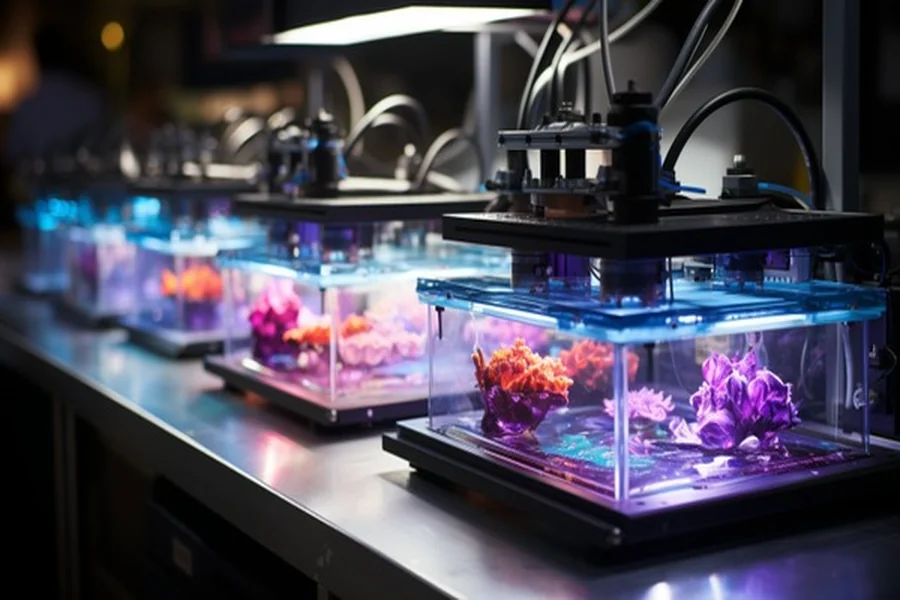
UV LED curing has become a cornerstone of modern manufacturing, offering speed, precision, and sustainability across industries such as printing, coatings, and electronics. This technology uses ultraviolet light-emitting diodes to trigger chemical reactions that transform liquid materials into solid forms almost instantly. From improving production efficiency to reducing environmental impact, UV LED curing represents a major leap forward in how materials are processed and finished.
The Science Behind UV LED Curing
Understanding UV Light and Wavelengths
Ultraviolet (UV) light sits on the electromagnetic spectrum between visible light and X-rays. It is typically divided into three main categories: UVA, UVB, and UVC. Most UV LED curing systems rely on UVA light, which ranges from 320 to 400 nanometers. This specific wavelength range is effective in initiating photochemical reactions while minimizing heat, making it ideal for curing sensitive materials.
When UV light interacts with certain chemicals known as photoinitiators, it triggers a process called polymerization. This reaction transforms liquid resins into solid materials almost instantly, resulting in fast, clean, and durable finishes. Because UV LED curing operates at lower temperatures than traditional methods, it can be applied to a wider variety of substrates without causing warping or damage.
The Role of Photoinitiators in Polymerization
Photoinitiators are the key components that make UV LED curing possible. These chemicals absorb UV light and produce reactive species such as free radicals or cations, which start a chain reaction that solidifies monomers into hardened polymers. The selection of a photoinitiator depends on the type of UV light being used.
Certain photoinitiators are more responsive to UVA wavelengths, making them ideal for UV LED systems. Others are designed for conventional mercury vapor lamps. Choosing the right photoinitiator affects curing speed, color stability, and temperature tolerance. Advances in chemistry continue to produce more efficient and versatile photoinitiators, improving the quality and performance of UV LED curing across various applications.
Comparing Conventional UV and LED Systems
Switching from traditional UV curing to UV LED technology represents a significant improvement in energy efficiency and versatility. Conventional UV curing relies on mercury lamps that emit a broad light spectrum and generate substantial heat. This high temperature can cause issues for heat-sensitive materials, leading to deformation or discoloration.
In contrast, UV LED systems emit targeted wavelengths and generate minimal heat. This allows manufacturers to cure materials such as thin plastics, films, and delicate substrates that would otherwise be at risk. UV LED curing also offers instant on/off functionality, eliminating warm-up times and reducing energy waste. Although the initial cost of installation can be higher, the long-term savings and reliability of UV LED systems often outweigh the investment.
The Advantages of UV LED Curing
Transforming Manufacturing Processes
UV LED curing has reshaped production standards in industries like printing, packaging, coatings, and electronics. In printing, it improves ink adhesion, reduces drying times, and enhances color vibrancy. Printers can now work with a broader range of materials, including metal, plastic, vinyl, and paper. The cured inks are more resistant to scratching and fading, making them ideal for high-wear applications such as product labels and packaging.
In coatings, UV LED curing provides durable, protective finishes for furniture, automotive parts, and electronic devices. These coatings improve resistance to moisture, chemicals, and UV exposure, ensuring a longer lifespan and better appearance for finished products.
Environmentally Friendly Technology
Sustainability has become a major concern for manufacturers, and UV LED curing offers clear environmental benefits. Traditional curing processes often rely on chemical solvents that emit volatile organic compounds (VOCs). UV LED systems operate with minimal or no solvents, drastically reducing harmful emissions.
They also consume less energy compared to mercury-based systems, which lowers greenhouse gas emissions and overall energy costs. By adopting UV LED curing, companies can meet sustainability goals while improving their public image among environmentally conscious customers.
Cost Efficiency and Productivity
UV LED curing provides significant long-term savings. Though the upfront investment in equipment may be higher, the reduction in maintenance, energy use, and downtime quickly offsets the cost. LED bulbs can last up to 25,000 hours, far outlasting mercury lamps, which means fewer replacements and lower operating expenses.
The instant curing capability of UV LED systems eliminates waiting times, allowing manufacturers to streamline production and meet tight deadlines. For industries that rely on high-speed output and precision, this technology helps maintain both quality and efficiency.
Choosing the Right UV LED Curing Equipment
Features That Matter
Selecting the right UV LED curing system requires understanding the technical needs of your process. The most important consideration is wavelength output. The system’s emission range should match the absorption characteristics of your photoinitiators to ensure complete curing.
Adjustable intensity is another useful feature. Being able to control light output lets you adapt curing conditions to different materials. Modular lamp designs provide flexibility for various production layouts, while efficient cooling systems help maintain consistent performance and extend equipment life.
Leading Brands and Industry Recommendations
As UV LED technology grows, several leading brands have become recognized for innovation and reliability. Companies such as Phoseon Technology, UV+EB Technology, and Heraeus offer high-performance curing systems tailored to different industrial applications.
Phoseon’s FireJet series is known for its power and speed, suitable for large-scale production lines. UV+EB Technology offers modular configurations that integrate easily into existing setups, making them ideal for businesses upgrading from older systems. Consulting with industry experts or suppliers can help match the right equipment to your specific needs and budget.
Maintenance and Longevity
To keep UV LED curing systems performing at their best, regular maintenance is essential. Clean the lamps periodically to prevent dust and residue from reducing light efficiency. Inspect the cooling systems to ensure proper airflow and prevent overheating.
Over time, photoinitiators can degrade if stored improperly, affecting curing results. Replace them as needed and follow manufacturer recommendations for care and calibration. Proper maintenance not only extends the lifespan of your system but also ensures consistent curing quality.
The Future of UV LED Curing
Emerging Innovations
The UV LED curing industry continues to evolve with breakthroughs in materials science and light technology. New photoinitiator formulations are being designed for use in advanced manufacturing fields such as flexible electronics, microprinting, and 3D printing.
Hybrid curing systems that combine UV LED with other curing methods are also gaining attention, offering even greater versatility. These innovations expand the potential for new applications and improve the overall performance of curing processes.
Market Growth and Opportunities
The global demand for UV LED curing technology is growing rapidly as more industries recognize its economic and environmental advantages. Sectors like automotive, packaging, healthcare, and electronics are investing heavily in this technology.
Companies seeking new business opportunities can focus on areas that demand precision and sustainability, such as high-performance coatings, electronic assembly, and decorative printing. Staying informed through market research and industry reports will help identify the best investment opportunities in this expanding field.
What Experts Predict
Industry experts agree that UV LED curing will continue to replace traditional UV and heat-based systems in the coming years. Its energy efficiency, reduced emissions, and versatility make it a natural fit for manufacturers pursuing cleaner and faster production methods.
As LED technology improves, light output and durability will increase, making systems even more cost-effective. With these advancements, UV LED curing is set to become a standard in manufacturing, offering a combination of performance, efficiency, and sustainability that defines the future of production.
Final Thoughts
UV LED curing is transforming how manufacturers approach production, efficiency, and sustainability. Its speed, precision, and eco-friendly benefits make it one of the most promising technologies in industrial processing. As innovation continues and accessibility improves, UV LED curing will remain at the forefront of manufacturing solutions, delivering cleaner, faster, and more reliable results across every major industry.