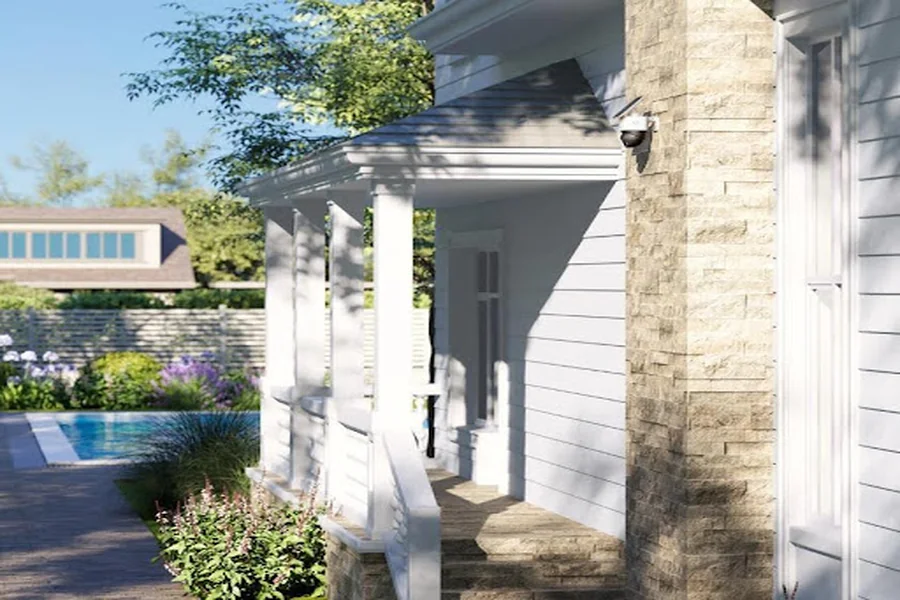
Deciding where to place security cameras at home is just as important as choosing the right model. A powerful device means little if it’s not positioned to capture what matters most. Proper placement ensures that every corner, entry point, and vulnerable area is monitored, giving you complete peace of mind. With smart placement, a single camera can often do the work of many, providing both broad coverage and sharp detail where needed. From front doors to hidden side alleys, placement strategy transforms home surveillance from a patchwork of feeds into a reliable, protective shield.
Key Entry Points You Should Never Ignore
Your home’s entryways are the first line of defense.
Front Door As a Priority Zone
Most intruders approach through the front door, which also serves as the main access point for visitors, deliveries, and neighbors. A well-placed security cameras here capture faces clearly, deters unwanted behavior, and lets you confirm who is at your door before opening it. Dual-lens systems are especially valuable, as one lens can focus on visitors while another tracks packages left on the ground. By capturing both perspectives in sharp detail, you cover more than just a knock at the door.
Back Door and Side Entrances
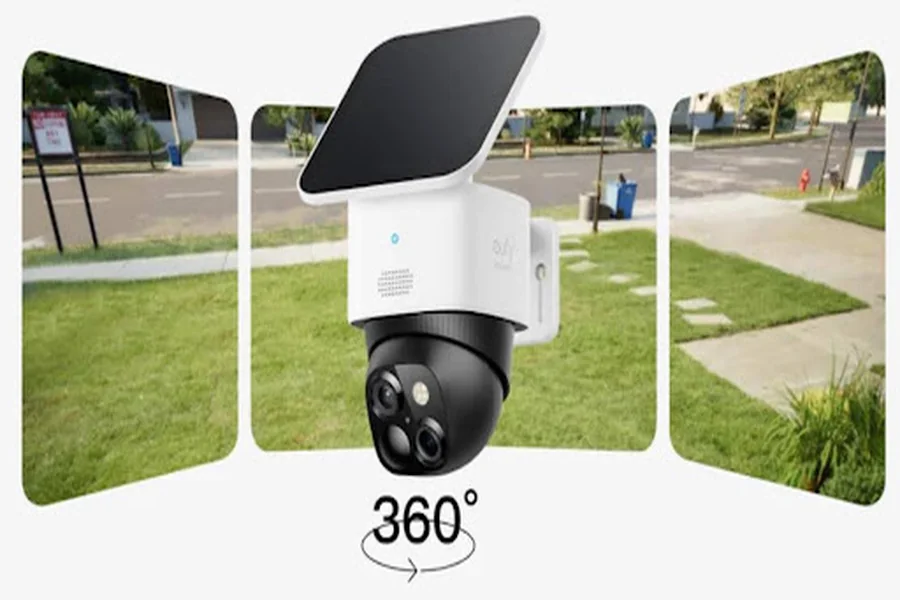
Secondary entrances are often overlooked, but they can be more vulnerable than the front. Intruders may assume fewer cameras watch these areas, making them easy targets. Installing a camera at your back door ensures equal coverage and closes gaps in your security network. Wide-angle or 360° cameras excel here, giving you a complete view of the yard while also focusing on the entry point itself. Think of this as covering the “quiet” paths into your home.
Garage and Driveway Access
Garages hold vehicles, tools, and storage items that are often valuable. The driveway is also a frequent access route, whether for family or strangers. Positioning a camera here not only deters potential theft but also gives you early warning when cars or people approach. A camera capable of zooming at a distance can pick up movement at the far end of the driveway, ensuring you’re alerted before anyone even reaches your door.
Outdoor Spaces That Benefit from Coverage
Securing more than just doors strengthens your entire perimeter.
Backyard and Garden Views
Backyards may seem private, but they can be tempting spots for intruders to hide. A camera here provides visibility over fences and corners that would otherwise be blind spots. Motion detection paired with clear resolution ensures that even subtle movement in these outdoor areas doesn’t go unnoticed. If you have children or pets, a backyard camera also doubles as a way to keep an eye on playtime.
Side Alleys and Hidden Corners
Narrow spaces between houses or small storage sheds often escape attention. Yet these are the very areas where someone may attempt to sneak by. Positioning a compact, weatherproof camera in these corners secures every angle. A design built to last under extreme weather ensures reliable monitoring even during heavy rain or heat. Closing off hidden spaces makes your security net tighter and more efficient.
Perimeter and Fences
The boundary of your property is the first line of defense. By placing cameras near gates or along fences, you gain visibility before someone even steps onto your land. Cameras with solar power are particularly useful here, as they can operate continuously without wiring across large distances. With full perimeter coverage, you create a layered security approach that gives early warnings rather than last-minute alerts.
Indoor Placement for Complete Monitoring
Strategic indoor monitoring keeps the home safe from within.
Main Hallways and Staircases
Hallways connect most rooms, making them critical paths to monitor. A camera placed in the main corridor can record any movement inside, regardless of how intruders enter. Staircases also matter, as they connect floors and often lead directly to bedrooms. Coverage in these spaces ensures that internal movement never goes unseen.
Living Room and Common Spaces
These areas are central hubs of activity, often where valuables such as electronics, decor, and personal items are located. Monitoring living rooms offers both protection and peace of mind, especially when you’re away. It also helps in keeping an eye on family activities, pets, or unexpected motion after hours. Indoor placement adds another layer to your overall system, bridging external monitoring with interior protection.
Windows and Ground-Level Access Points
Windows are common entry points, especially those hidden from street view. Positioning cameras indoors, aimed at these ground-level windows, ensures that even if someone avoids detection outside, they are caught as soon as they try to breach the home. Clear image resolution is crucial here, as visibility through glass and in varying light can be challenging.
Conclusion
Placing security cameras at home is about creating a balanced system that covers entryways, outdoor spaces, and key indoor areas. Positioning them at the front door, back entrances, garage, and driveway ensures no approach goes unnoticed. Adding cameras in the backyard, side alleys, and perimeter strengthens your outdoor shield. Indoors, monitoring hallways, living spaces, and ground-level windows provides complete coverage. Devices like the SoloCam S340 Wireless Outdoor Security Camera simplify this task with dual lenses, solar-powered operation, and 360° coverage. With thoughtful placement, your security cameras move beyond recording—they become silent guardians, watching every corner and protecting what matters most.